Why Roof Decking Matters More Than Most Homeowners Think
When homeowners think about their roof, they usually picture shingles. Color. Style. Warranty. Very few think about what those shingles are attached to. That hidden layer, the roof decking, is one of the most critical parts of your entire roofing system.
In North Texas, where heat, hail, wind, and humidity constantly stress homes, roof decking often determines whether a roof lasts decades or fails early. At Renown Roofing & Construction, we regularly uncover decking problems on roofs that look fine from the outside. In many cases, the decking is the real reason for leaks, sagging roofs, and denied insurance claims.
This article explains what roof decking does, why it matters so much in Texas, and how ignoring it can cost homeowners far more than they expect.
The Role of Roof Decking in Your Roofing System
Roof decking is the flat surface attached to your home’s rafters or trusses. Shingles, underlayment, and flashing are installed directly on top of it. Without strong decking, even the best shingles cannot perform properly.
Decking provides structural stability. It holds nails in place during high winds and supports the weight of roofing materials. It also acts as a barrier between the attic and the exterior, helping prevent water intrusion and air leakage.
In Texas, roof decking experiences extreme stress. Summer heat dries it out. Moisture from storms causes expansion and contraction. Over time, weak or damaged decking compromises the entire roof system.
Why Roof Decking Is Especially Important in North Texas
Texas weather exposes roof decking to conditions that accelerate deterioration.
Extreme heat causes decking to dry, shrink, and weaken. Over time, nails lose grip, making shingles easier to lift during storms. High humidity and sudden rain events introduce moisture, which can soak into decking through small roof defects.
Hail impacts may crack shingles but often transmit force directly to the decking below. Repeated impacts weaken the wood fibers. Wind events test the decking’s ability to hold fasteners securely.
These stresses make decking quality and condition far more important in DFW than in milder climates.
Common Roof Decking Problems We See in Texas Homes
Many homeowners do not realize decking issues exist until major damage occurs. These are the most common problems uncovered during inspections.
Soft or Rotted Decking
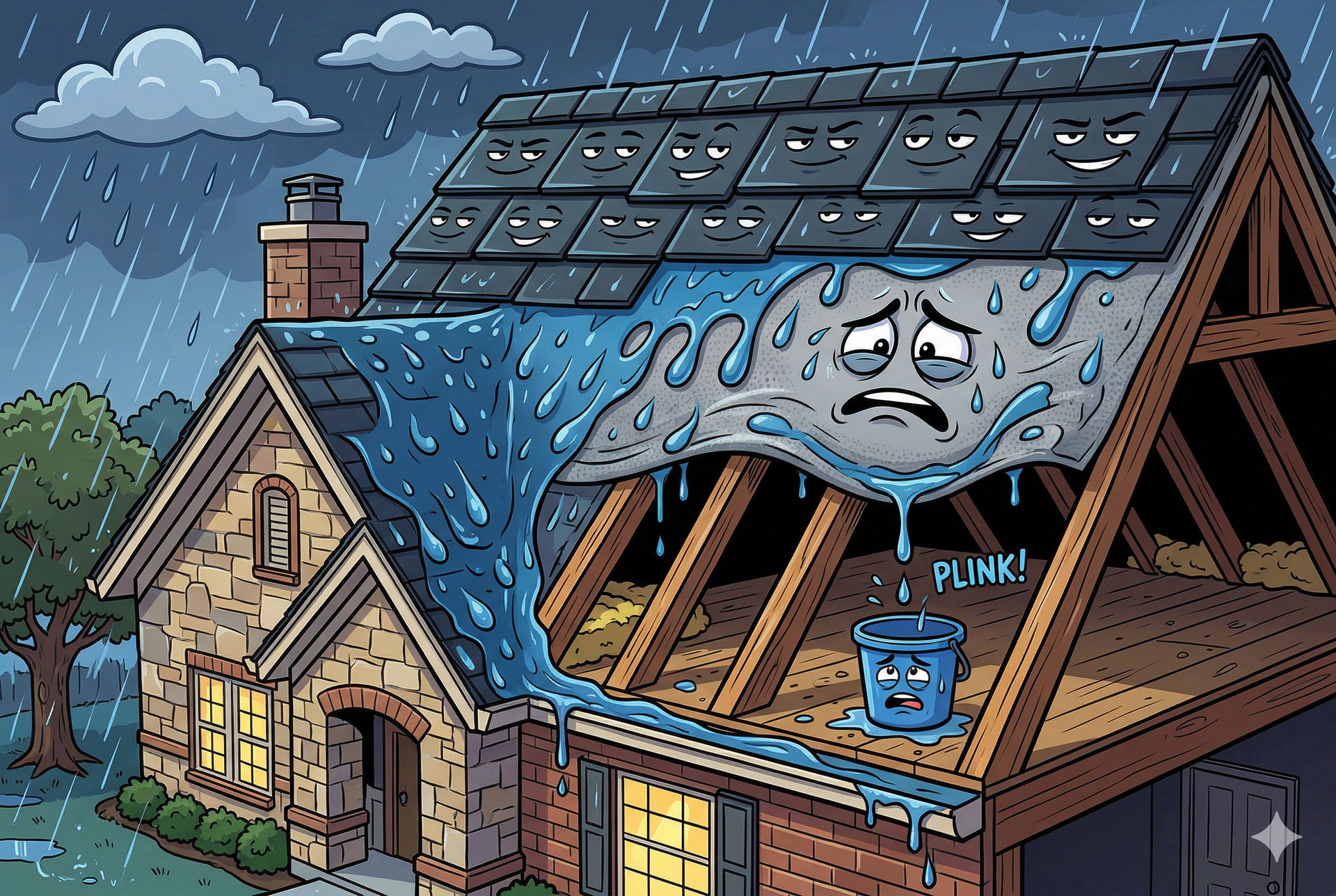
When decking absorbs moisture, it begins to rot. Soft decking cannot hold nails properly, which leads to loose shingles and leaks. Rot spreads quickly once moisture is present.
Delaminated or Warped Plywood
Plywood decking can separate into layers when exposed to moisture and heat. Warped decking creates uneven surfaces that prevent shingles from sealing correctly.
Sagging Roof Sections
Decking that has weakened over time may sag between rafters. This is often visible as dips or waves in the roofline and indicates structural failure.
Improper Decking Thickness
Some older homes have decking that no longer meets current building codes. Thin decking increases the risk of nail pull through and wind damage.
Poor Fastener Holding Power
Decking that is dry rotted or cracked cannot anchor nails effectively. This leads to shingles lifting or blowing off during storms.
How Roof Decking Affects Roof Lifespan
Even high end shingles depend on the decking beneath them. When decking fails, the roof fails.
Weak decking shortens shingle lifespan because shingles flex more during wind events. Nails loosen faster, breaking seals and allowing water intrusion. Moisture from below heats shingles unevenly, accelerating aging and granule loss.
In many cases, homeowners replace shingles only to face leaks again because the underlying decking was never addressed. A roof can only be as strong as the surface it is built on.
Why Roof Decking Matters for Insurance and Warranties
Roof decking plays a major role in insurance claims and manufacturer warranties.
Most shingle manufacturers require solid, code compliant decking for warranties to remain valid. If shingles are installed over damaged or inadequate decking, warranty claims may be denied.
Insurance companies also inspect decking during storm damage claims. If leaks are caused by pre existing decking deterioration rather than storm impact, coverage may be reduced or denied.
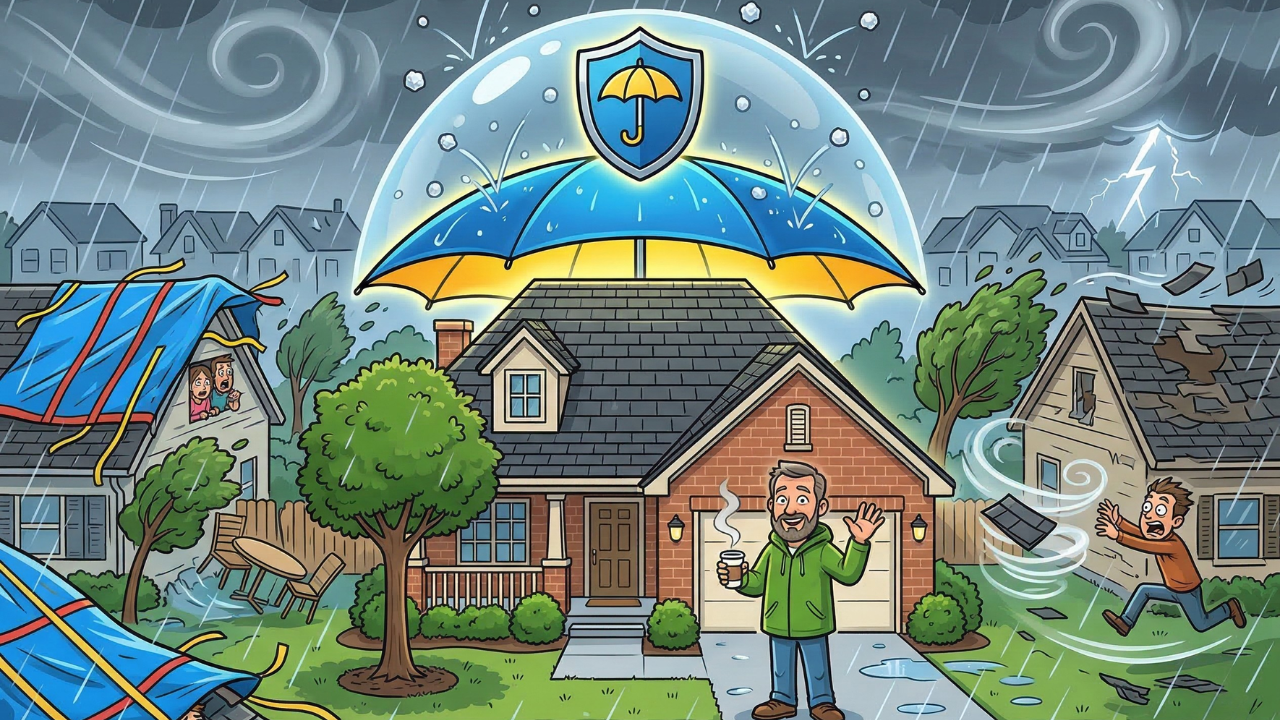
Proper decking protects homeowners financially by ensuring claims and warranties remain intact.
Signs Your Roof Decking May Be Compromised
Decking issues are often hidden, but these warning signs suggest a deeper problem.
- Persistent roof leaks after repairs
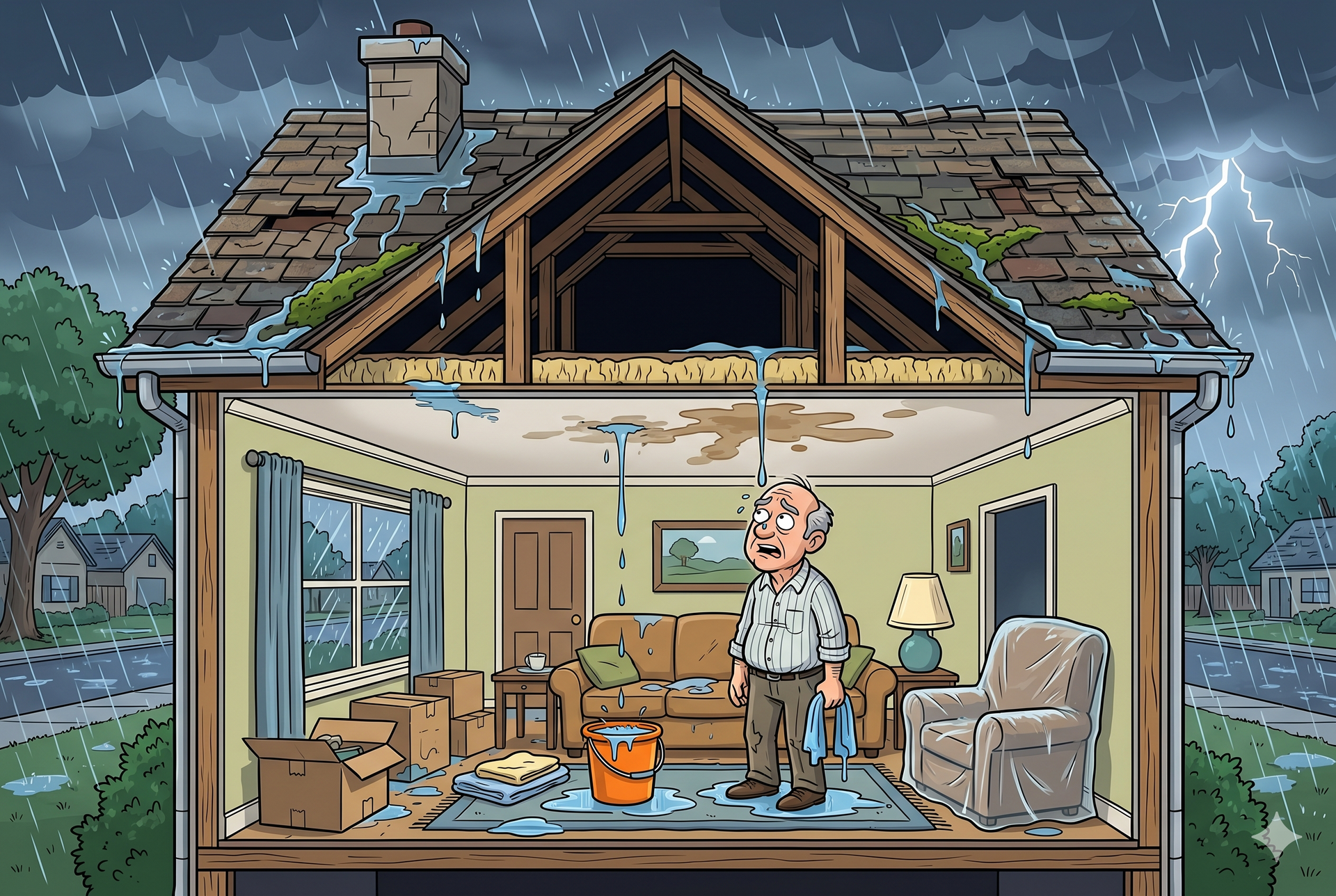
- Interior ceiling sagging or stains
- Soft spots when walking on the roof
- Uneven roof lines or visible dips
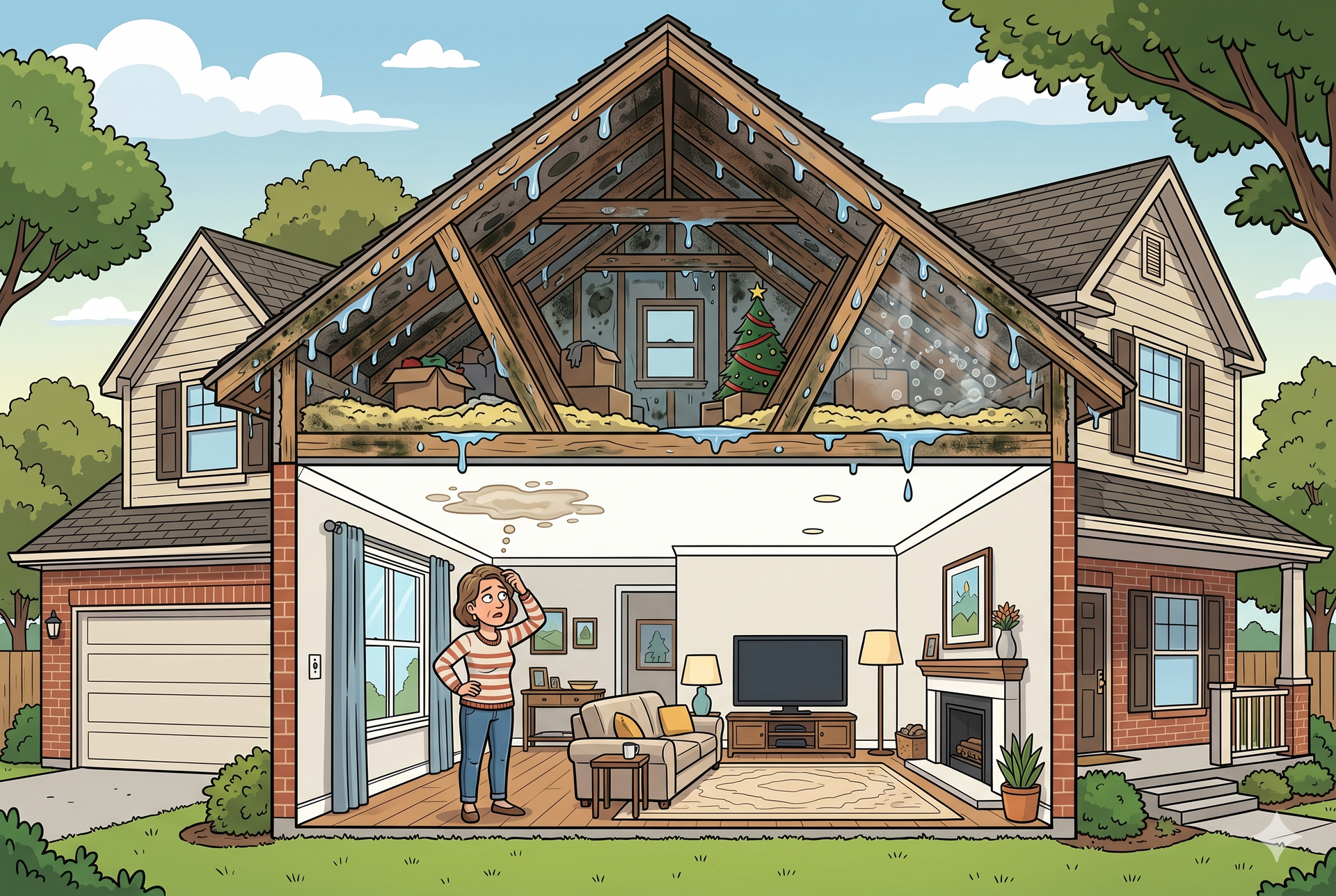
- Musty odors or mold in the attic
- Excessive nail pops or loose shingles
If any of these signs appear, a professional inspection is critical.
How Renown Roofing Evaluates Roof Decking
Renown Roofing & Construction treats decking as a core part of every inspection and replacement.
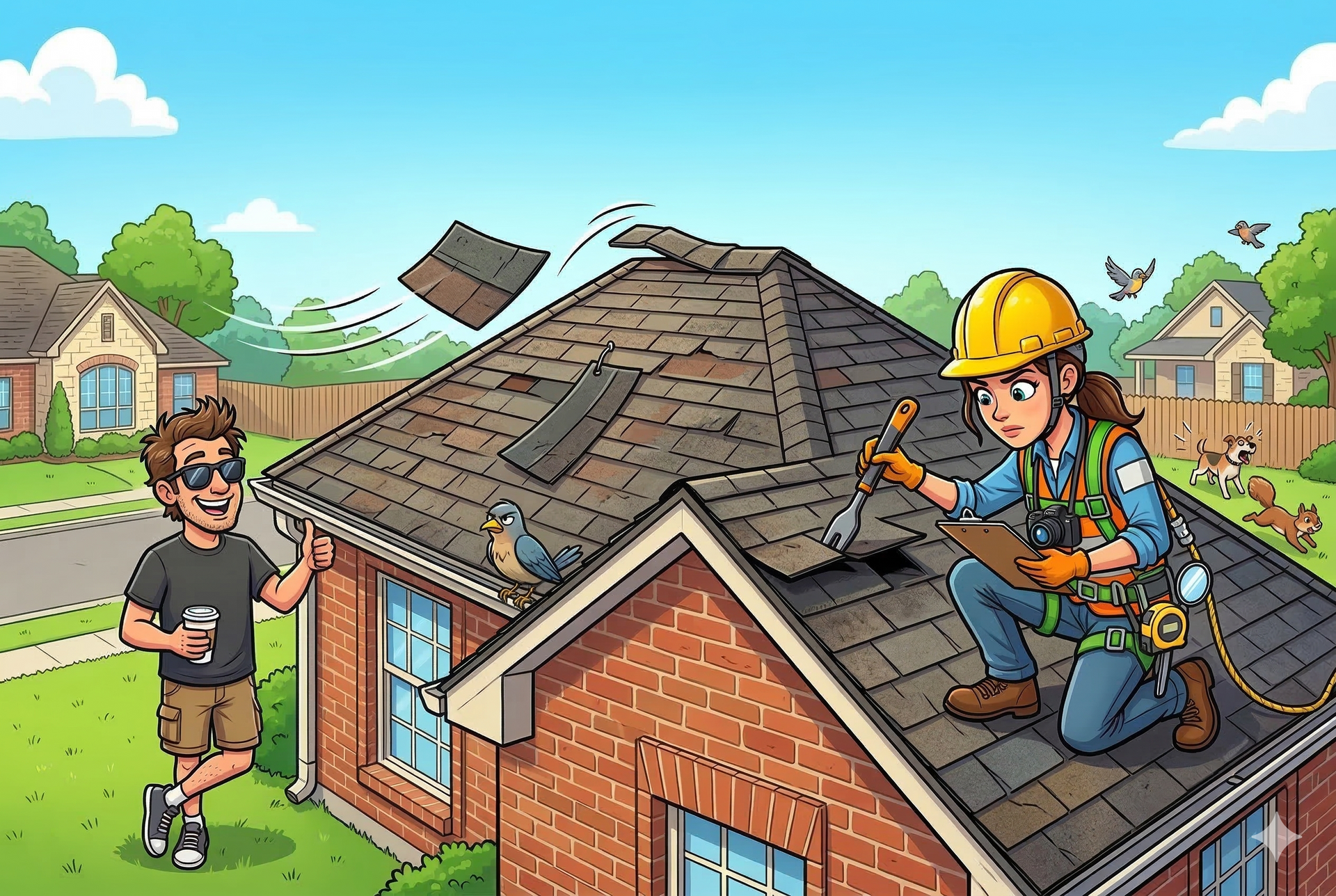
During inspections, we assess decking integrity from the attic and roof surface. Infrared thermal imaging helps detect hidden moisture trapped in wood. We identify soft areas, rot, and structural weakness before they cause visible damage.
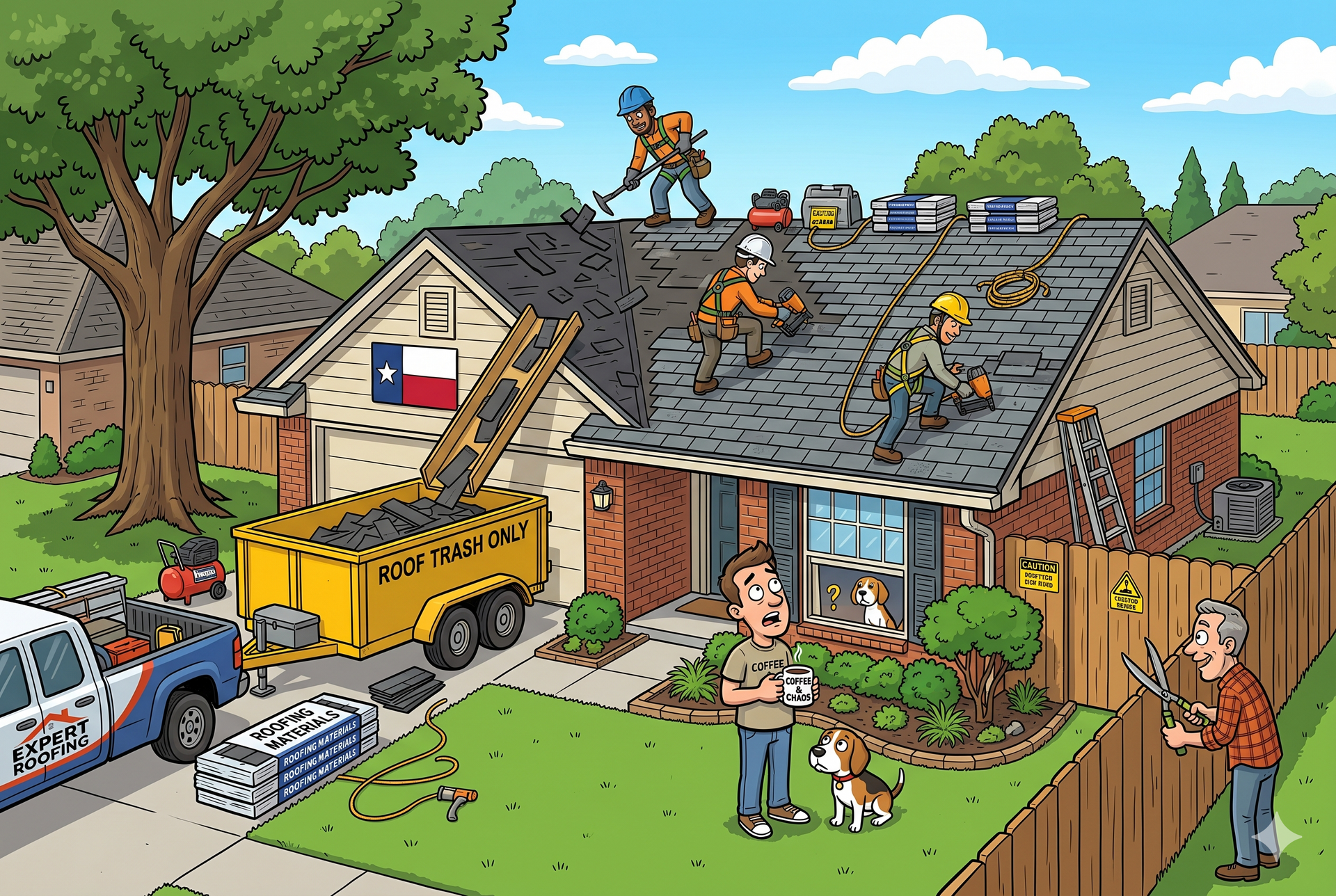
During roof replacements, damaged decking is replaced, not ignored. We bring decking up to current code requirements to ensure proper fastener holding power and long term durability.
This approach prevents repeat repairs and protects homeowners from future issues.
Why DFW Homeowners Trust Renown Roofing
Roof decking is not an upgrade. It is a necessity. Renown Roofing ensures it is done right.
Thorough Decking Inspections
We inspect decking on every project, not just visible areas. This prevents surprises after installation.
Code Compliant Repairs
Our team replaces decking to meet or exceed Texas building codes, ensuring strength and safety.
Certified Installation Teams
Our crews follow manufacturer guidelines to protect warranties and long term performance.
Infrared Moisture Detection
Thermal imaging identifies hidden decking moisture before rot spreads.
Long Term Warranties
Proper decking allows homeowners to benefit from manufacturer warranties up to 50 years.
Local Experience and Reputation
With an A+ BBB rating and more than 1,200 five star reviews, Renown Roofing is trusted across North Texas for doing the job correctly, not quickly.
Your roof system relies on what you cannot see. Strong decking protects everything above and below it.
Ready to Make Sure Your Roof Has a Solid Foundation?
If you are planning a roof repair, replacement, or inspection, make sure the decking is evaluated by professionals who understand Texas conditions.
Call
972-782-5489 or visit
www.RenownConstruction.com to schedule your free roof system inspection today.
Frequently Asked Questions (FAQ)
What is roof decking made of?
Most modern homes use plywood or OSB decking. Older homes may have plank decking, which often needs upgrades.
Can roof decking be repaired instead of replaced?
Minor damage can sometimes be repaired, but widespread rot or weakness usually requires replacement for safety and performance.
How long does roof decking last?
When kept dry and properly ventilated, decking can last decades. Moisture dramatically shortens its lifespan.
Does insurance pay for decking replacement?
Insurance may cover decking replacement if damage is caused by a covered event like hail or wind. Pre existing rot is usually excluded.
Can new shingles be installed over damaged decking?
They should not be. Installing shingles over weak decking leads to early failure and voided warranties.
How do you check decking without removing shingles?
Attic inspections and infrared imaging help identify moisture and structural weakness without tearing off the roof.
Does replacing decking increase roof replacement cost?
Yes, but skipping it costs far more in future repairs, leaks, and denied claims.
Is decking replacement required by code?
Damaged or undersized decking must be replaced to meet current building codes in most areas.
How much decking replacement is normal?
It varies by home age and condition. Many roofs require partial replacement, while others need more extensive work.
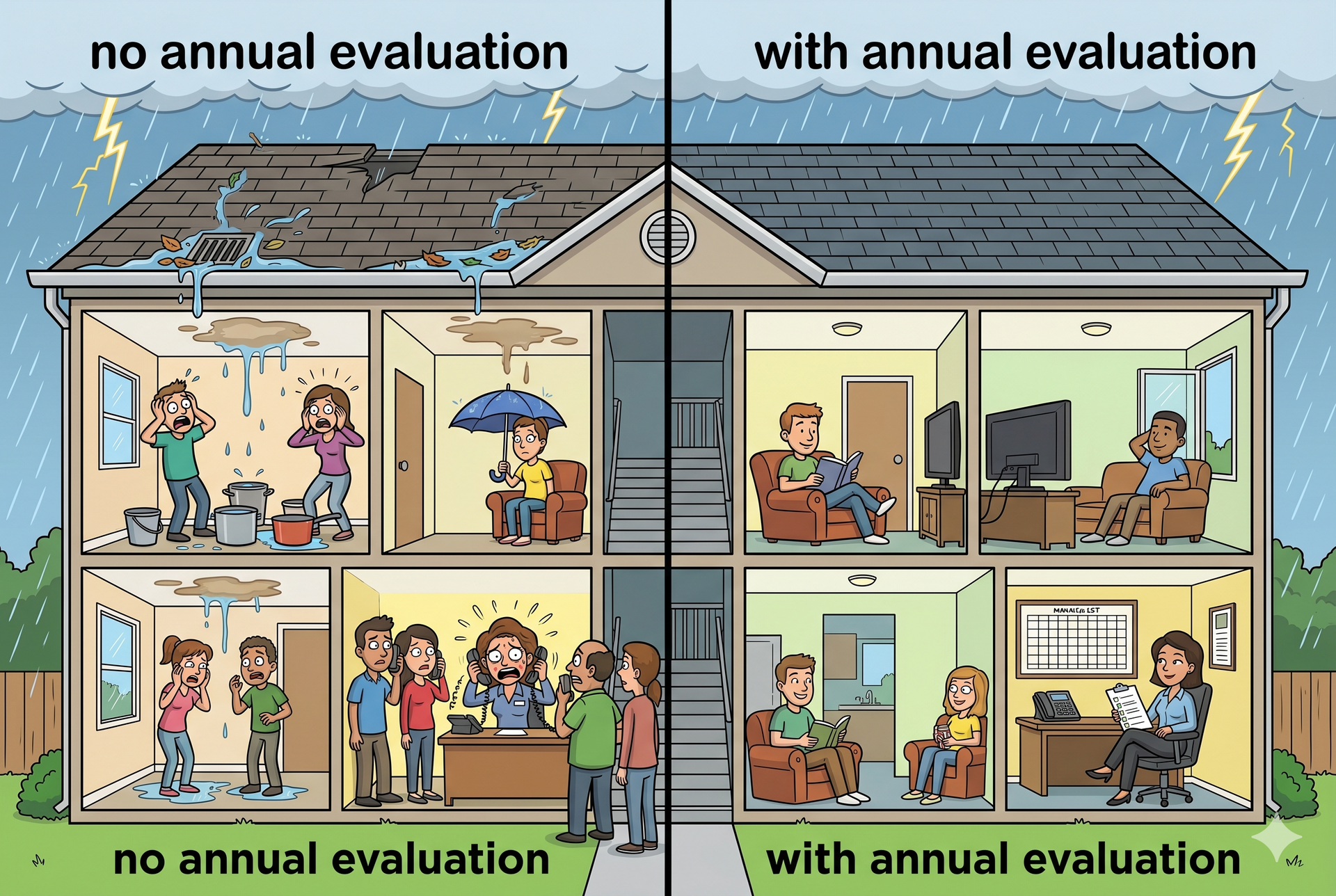
When should decking be inspected?
During roof inspections, after major storms, and anytime leaks or sagging appear.