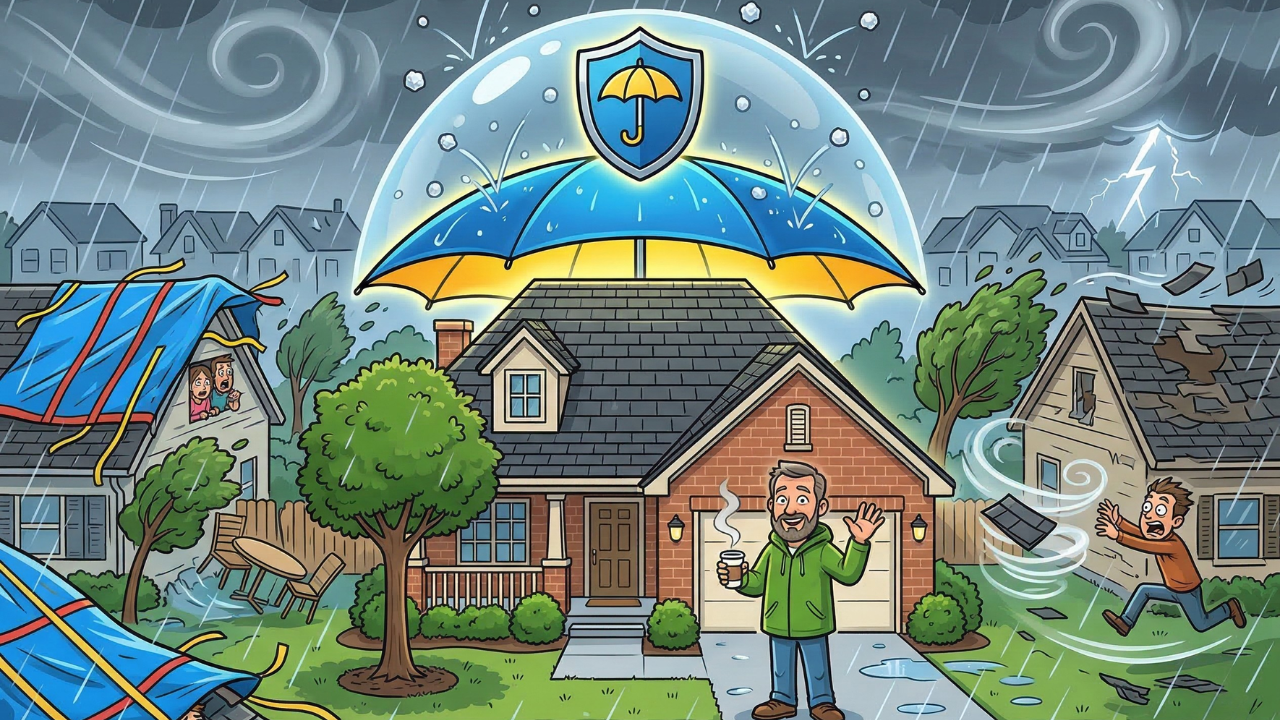
What Homeowners Should Know About Roof Underlayments
Let’s talk about the most important part of your roof… that nobody ever talks about.
Not the shingles. Not the color. Not the “architectural look” your neighbor just got and now won’t stop mentioning.
We’re talking about underlayment.
Yes. The layer you never see. The one hiding under everything. The quiet overachiever of your roofing system.
If your shingles are the outfit, underlayment is the part that actually keeps you from getting soaked.
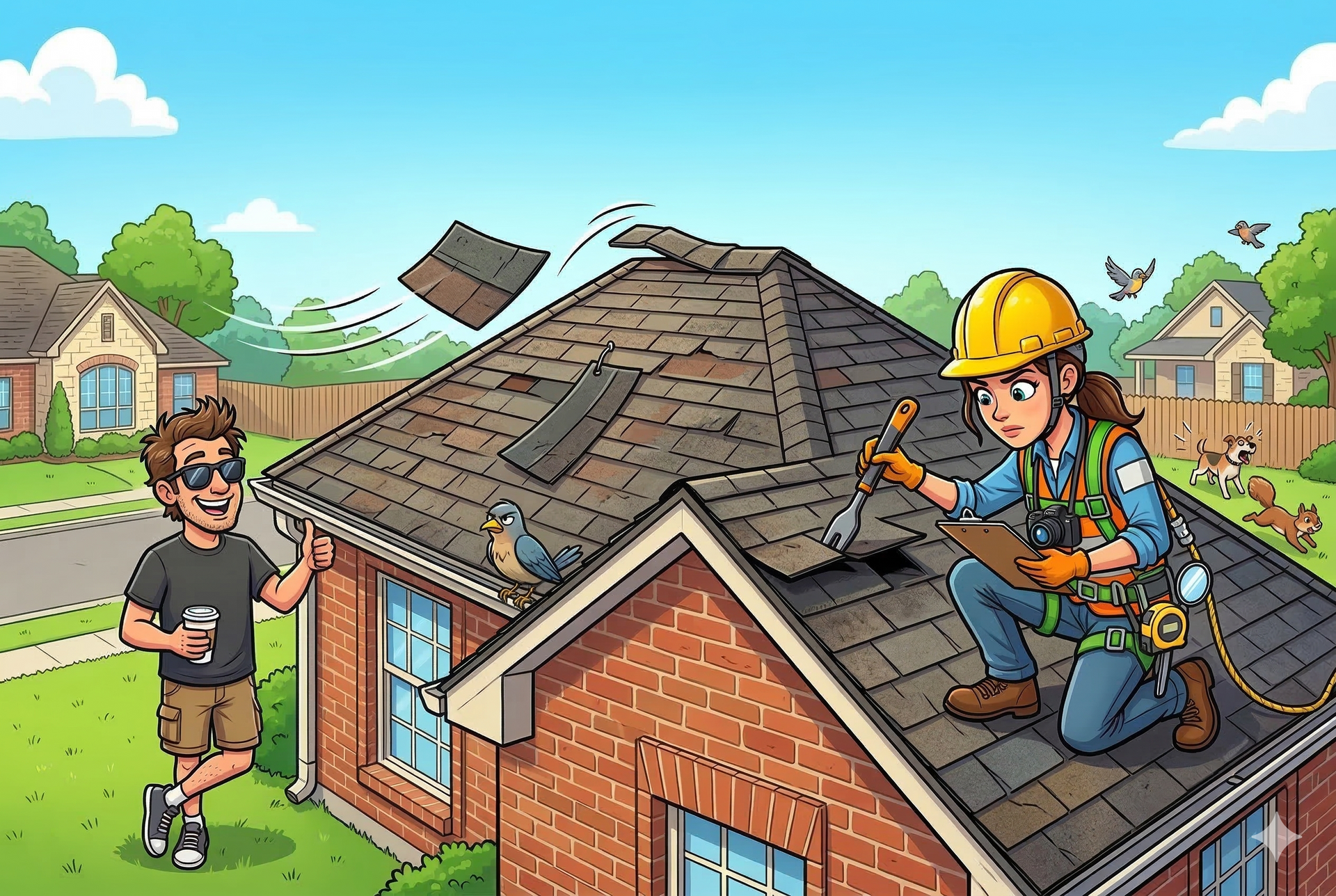
At Renown Roofing & Construction, we’ve inspected thousands of roofs across Flower Mound and DFW. And here’s the truth:
When roofs fail, it’s usually not the shingles. It’s what’s underneath them.
What Is Roof Underlayment (And Why Should You Care)
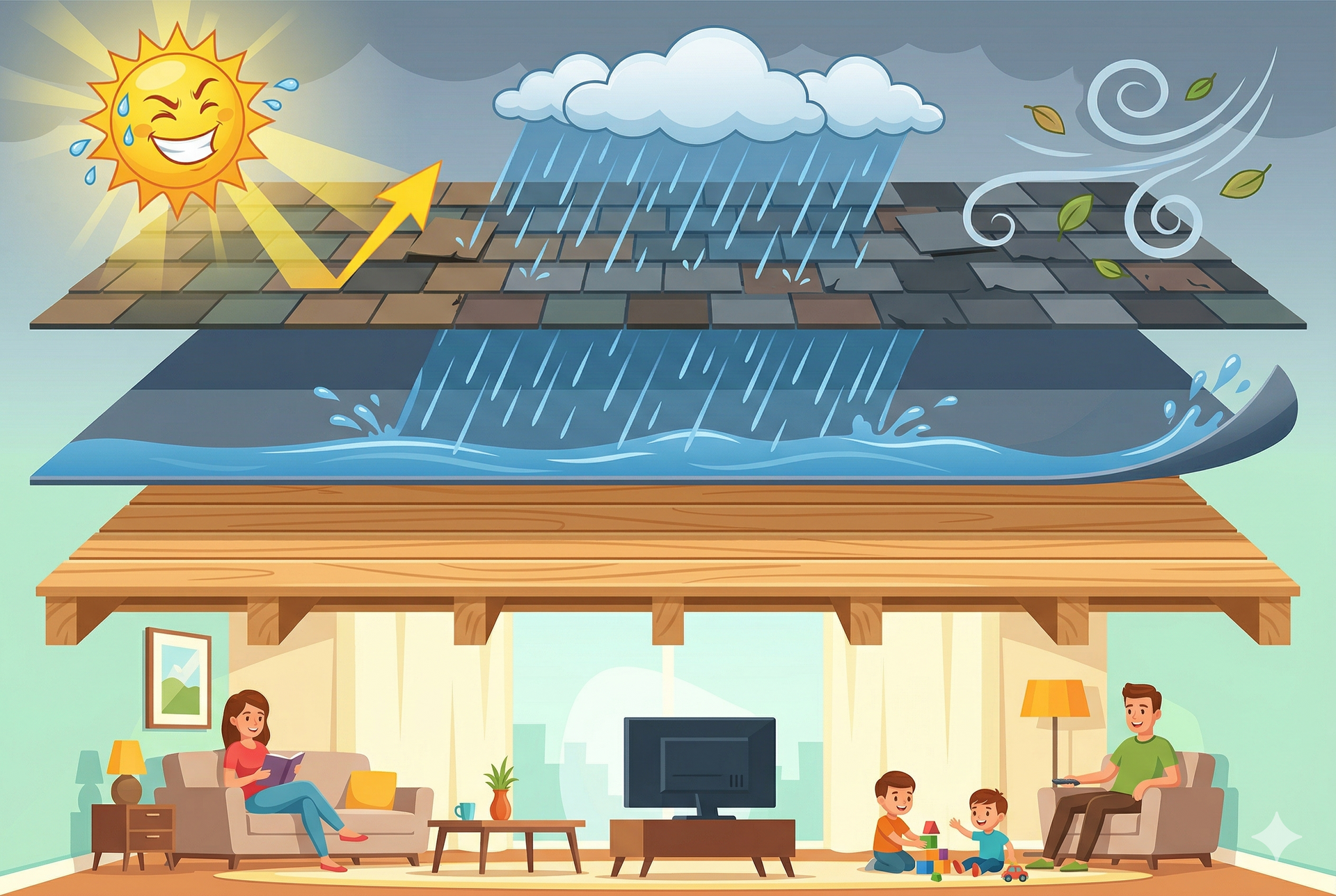
Underlayment is the material installed directly on top of your roof deck, underneath your shingles.
Its job is simple:
Keep water out if everything else fails.
Because eventually, something always fails.
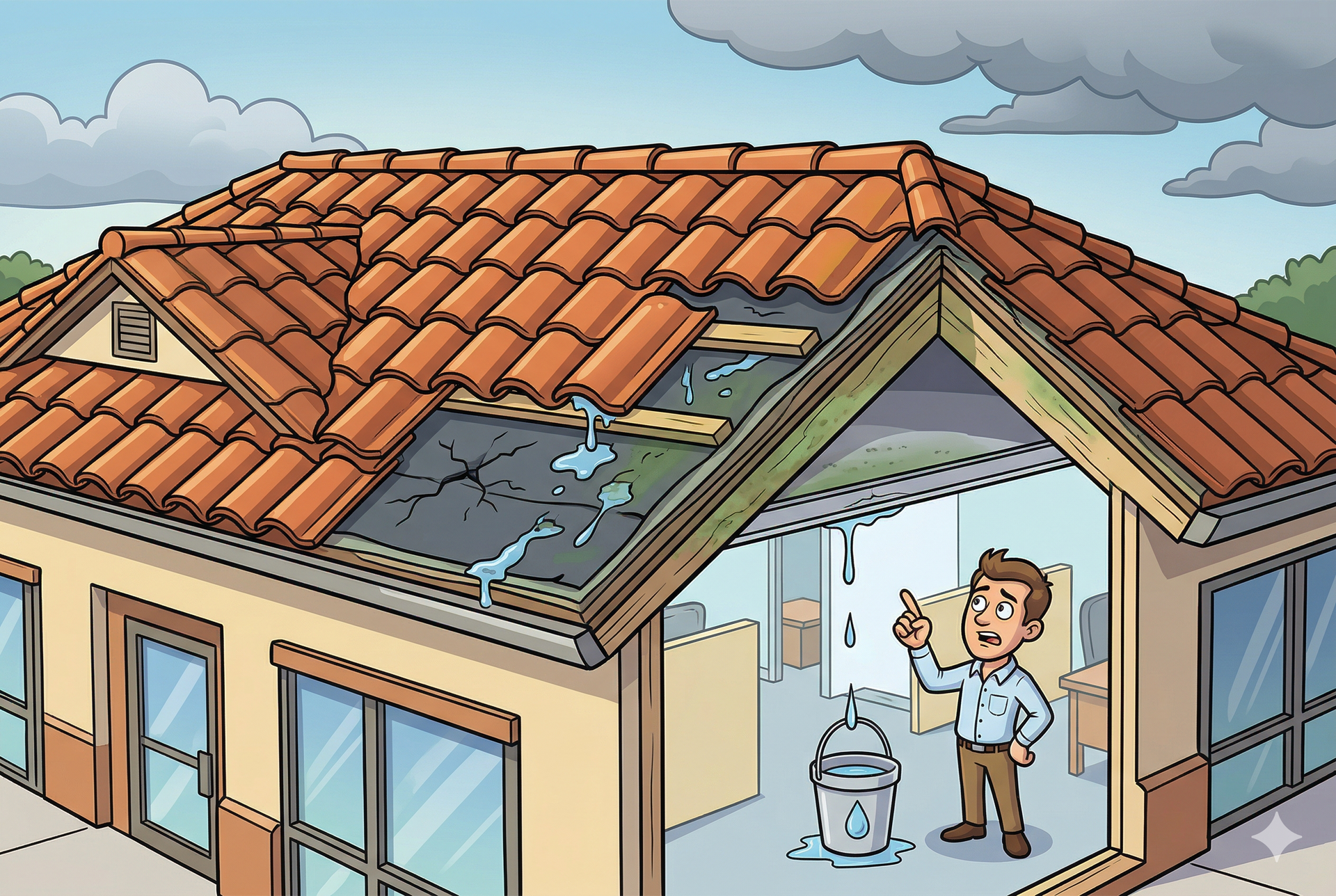
Shingles can crack. Wind can lift edges. Hail can do what hail does best. When that happens, underlayment becomes your home’s last line of defense.
Think of it like a backup plan. Except this one actually matters.
The Three Main Types of Underlayment
Not all underlayment is created equal. Some are built for Texas. Some are… optimistic.
Felt Underlayment
This is the old school option.
It’s made from asphalt saturated paper and has been around forever. It works, but it’s not great in extreme heat or heavy moisture.
In Texas, felt tends to age faster and tear more easily.
It’s like using an umbrella made of paper. Technically functional. Not ideal.
Synthetic Underlayment
This is the modern upgrade.
Synthetic underlayment is stronger, lighter, and more resistant to tearing and moisture. It handles heat better and lasts longer than felt.
Most quality roofs in DFW today use synthetic underlayment.
It’s the “we learned from our mistakes” version of roofing materials.
Ice and Water Shield
Despite the name, yes, it matters in Texas too.
This is a self adhering membrane used in vulnerable areas like valleys, edges, and around penetrations.
It seals tightly and prevents water from sneaking in through nail holes or seams.
It’s basically the overachiever of underlayments.
Why Underlayment Matters More in Texas
Texas weather is not subtle.
- Extreme heat.
- Sudden storms.
- Wind that shows up uninvited.
- Hail that feels personal.
All of this stresses your roofing system.
Underlayment handles:
- Heat expansion and contraction
- Moisture protection
- Backup waterproofing when shingles fail
If your underlayment is weak, your roof is relying on luck.
And luck is not a roofing strategy.
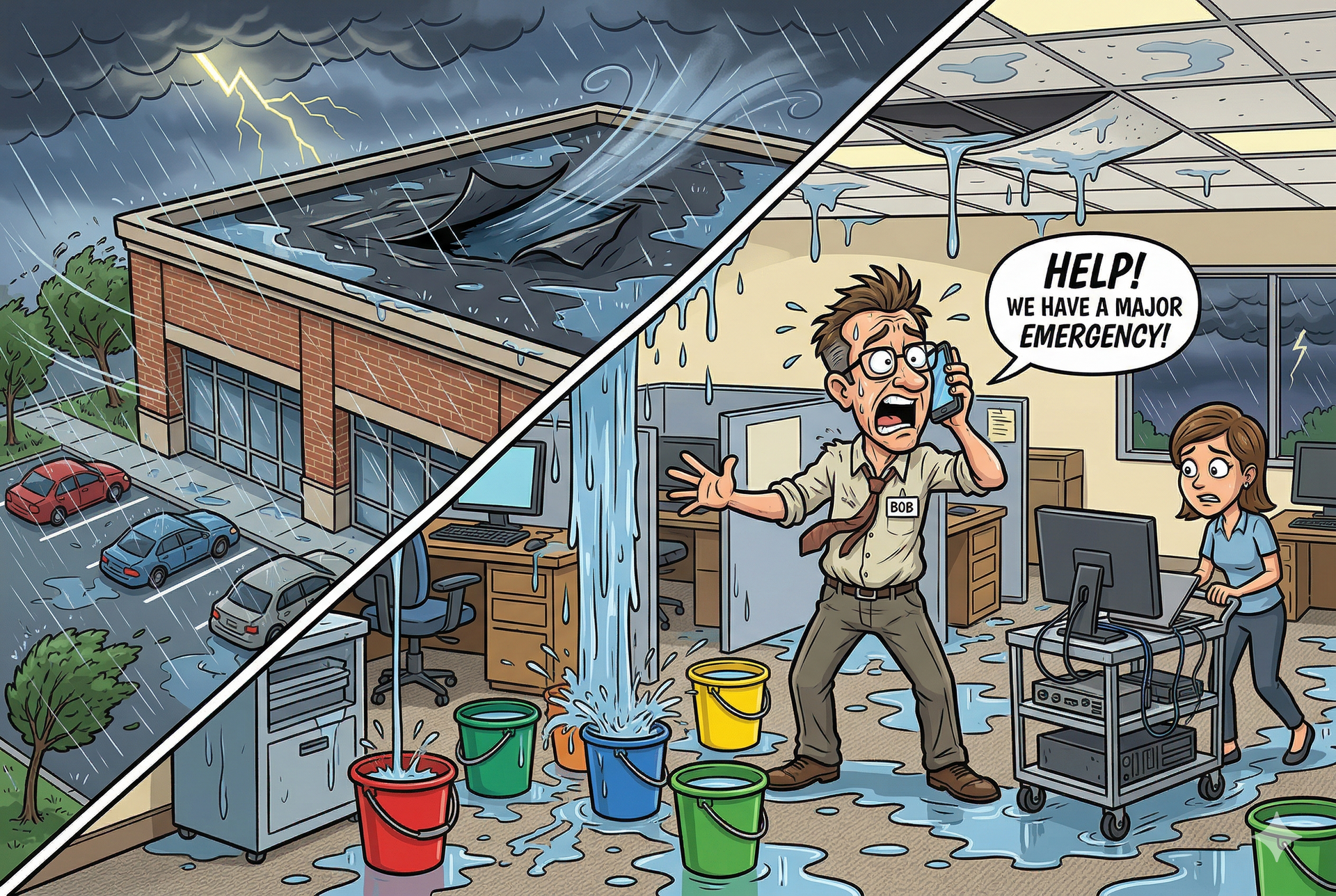
What Happens When Underlayment Fails
This is where things get interesting.
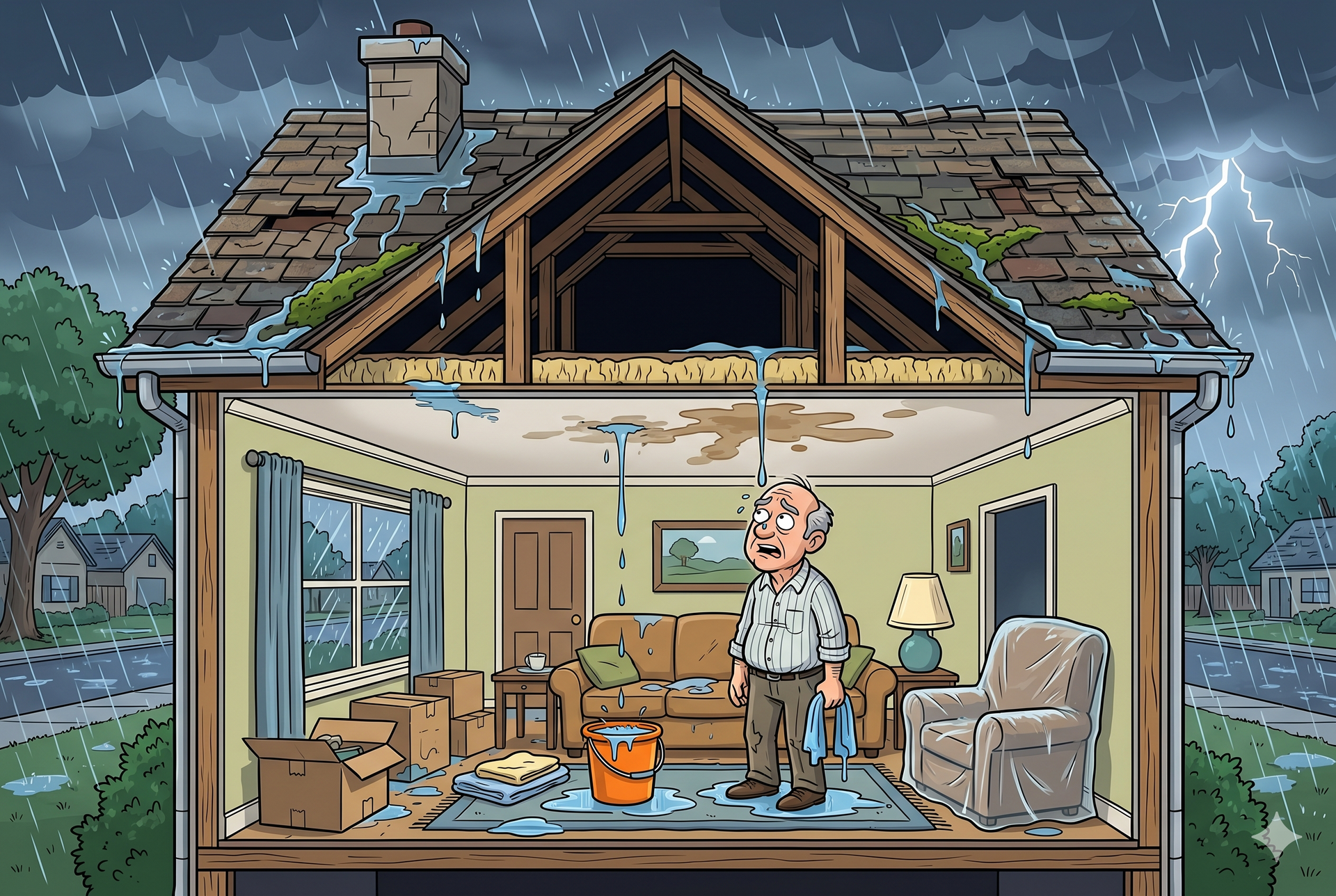
From the outside, your roof might still look fine.
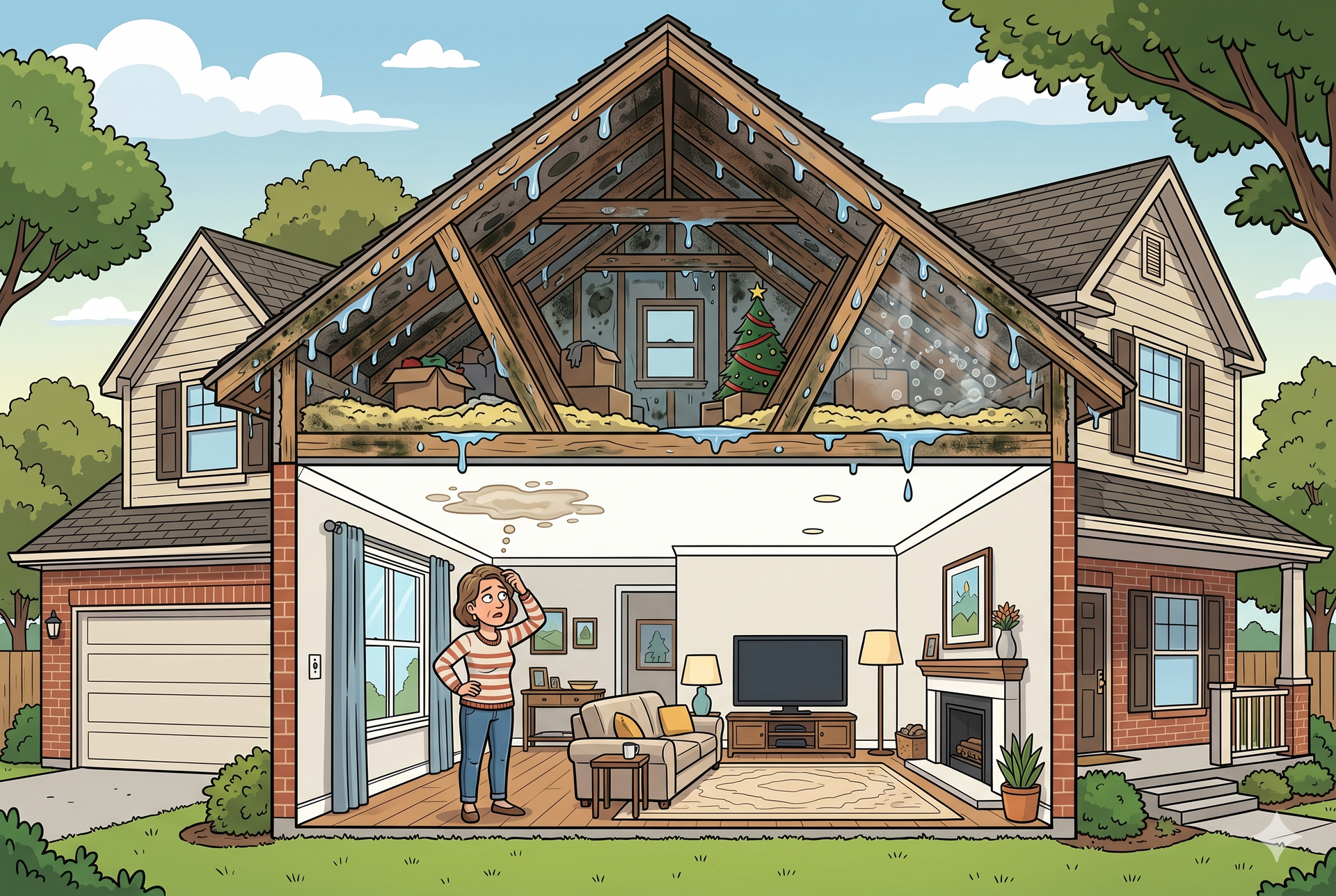
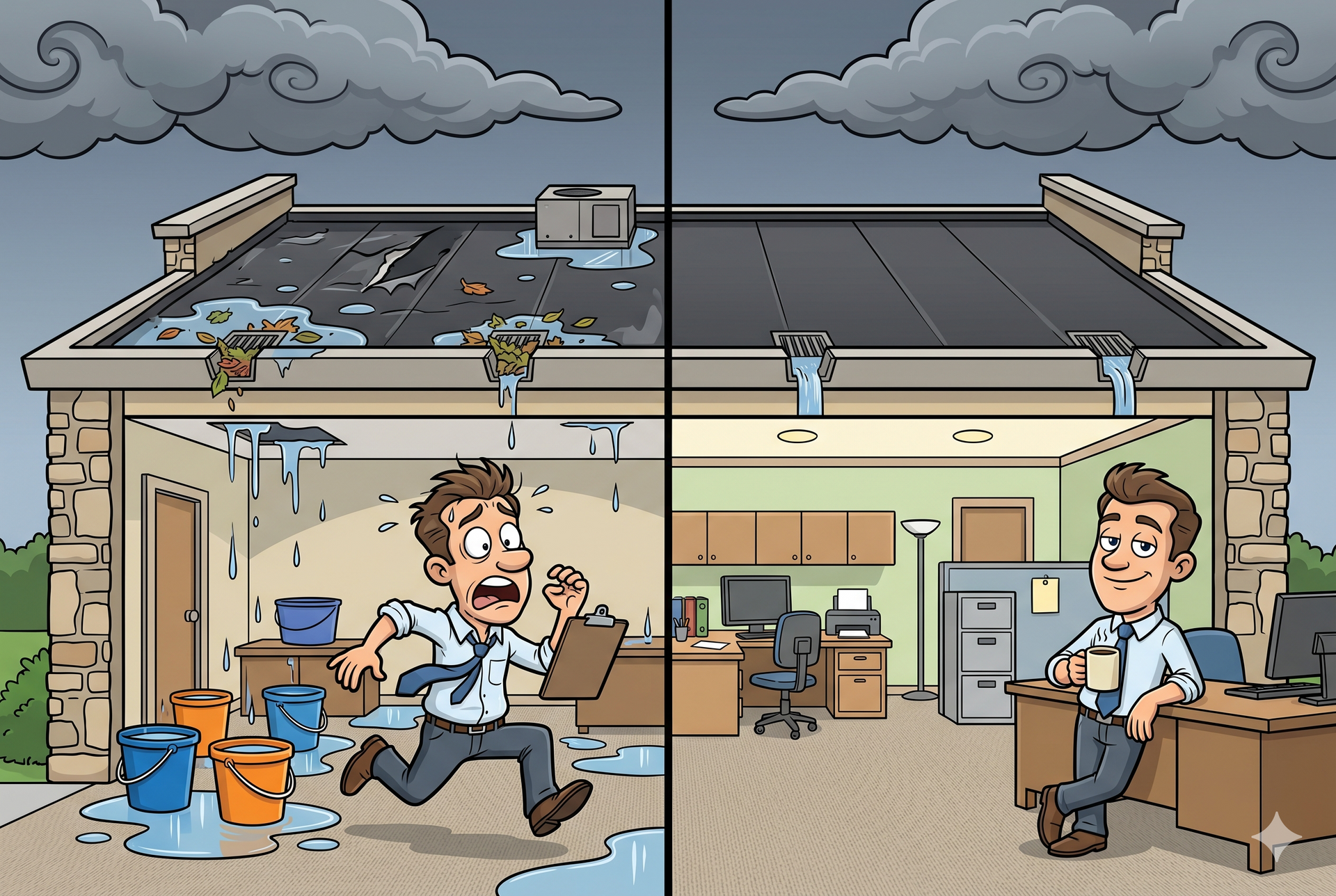
From the inside, your house is having a completely different experience.
You may notice:
- Ceiling stains
- Musty smells
- Warped wood
- Mold growth
By the time you see visible damage, the underlayment has usually been failing for a while.
It doesn’t announce itself. It just quietly stops working.
Signs Your Underlayment Might Be a Problem
You won’t see it directly, but your home will drop hints.
• Leaks during heavy rain but not light rain
• Water stains that appear suddenly
• Issues after strong wind storms
• Repeated minor repairs in the same area
• Roof that looks fine but acts suspicious
If your roof feels unpredictable, underlayment might be involved.
The Biggest Mistake Homeowners Make
Focusing only on shingles.
We get it. Shingles are visible. They look important. They come in colors.
Underlayment is invisible. It does not get compliments.
But choosing cheap or outdated underlayment to save money is like buying a luxury car and putting bargain tires on it.
Everything looks great until it doesn’t.
Why Proper Installation Matters
Even the best underlayment can fail if installed incorrectly.
- Improper overlaps
- Poor sealing
- Incorrect placement
- Missed vulnerable areas
These mistakes create entry points for water.
Underlayment is only as good as the installation behind it.
How Renown Roofing Does It Differently
We treat underlayment like it matters. Because it does.
- We use high quality synthetic materials designed for Texas heat
- We install ice and water shield in critical areas
- We follow manufacturer specifications exactly
- We ensure full system protection, not just surface coverage
We don’t just make roofs look good. We make them work.
Why Flower Mound Homeowners Trust Renown
- Certified installation teams
- Premium materials
- Advanced inspection technology
- A+ BBB rating
- Over 1,200 five star reviews
We’ve seen what happens when underlayment is ignored. We prefer not to repeat those stories.
Your Roof’s Most Important Layer Is the One You Don’t See
Shingles get the attention.
Underlayment does the work.
If you’re replacing your roof or dealing with recurring issues, this is the layer you want done right.
Book an inspection.
Refer a colleague.
Call
972-782-5489 or visit
www.RenownConstruction.comto schedule your free roof inspection today.
Frequently Asked Questions (FAQ)
What does roof underlayment actually do
It provides a secondary barrier against water and moisture.
Is synthetic underlayment better than felt
Yes. It is stronger, more durable, and performs better in Texas conditions.
Do I really need ice and water shield in Texas
Yes, especially in valleys and vulnerable areas.
How long does underlayment last
It depends on the material, but high quality options can last decades.
Can underlayment fail before shingles
Yes. It often does.
Can you replace underlayment without replacing the roof
Usually no, it requires removing shingles.
Is underlayment included in all roof installations
It should be, but quality and type vary.
What causes underlayment to fail
Heat, moisture, poor installation, and aging.
How do I know if mine is failing
Leaks and interior signs are usually the first indicators.
Is underlayment worth investing in
Absolutely. It protects everything underneath your roof.