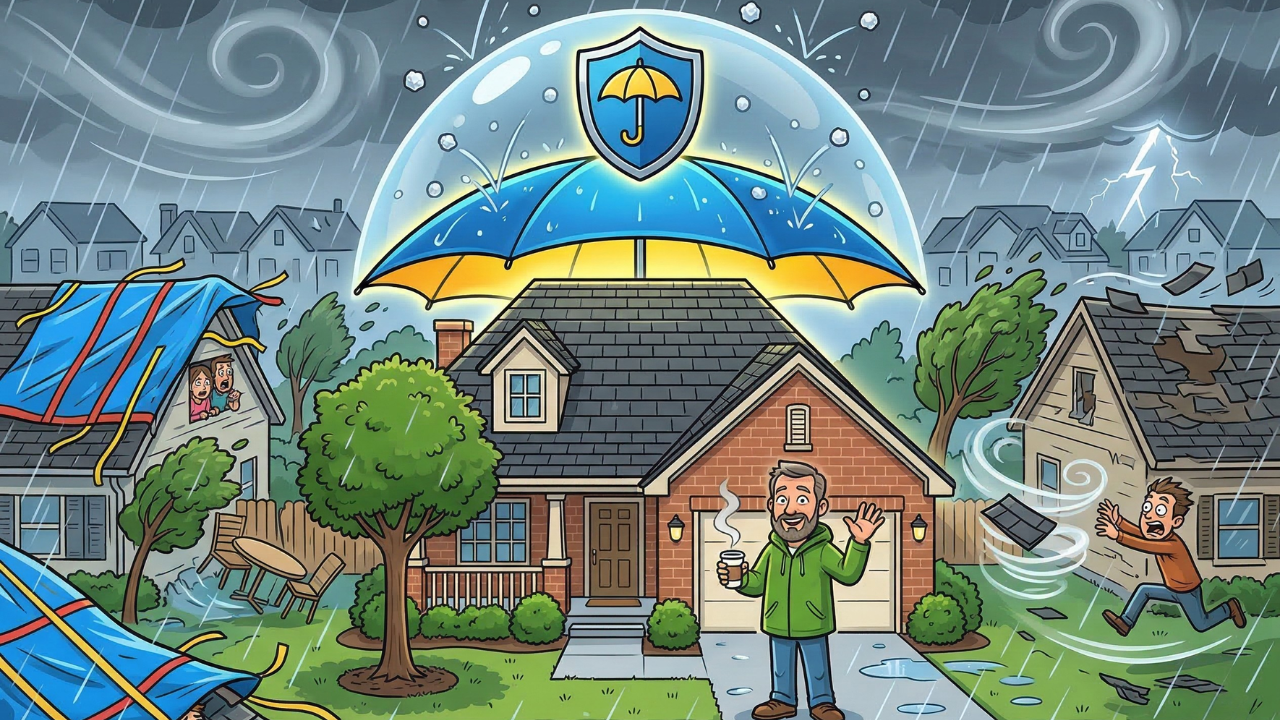
What to Expect During a Full Roof Replacement
Let’s be honest.
No homeowner wakes up excited and says, “You know what would make today fun? Replacing the roof.”
Nobody puts “roof replacement” on a vision board.
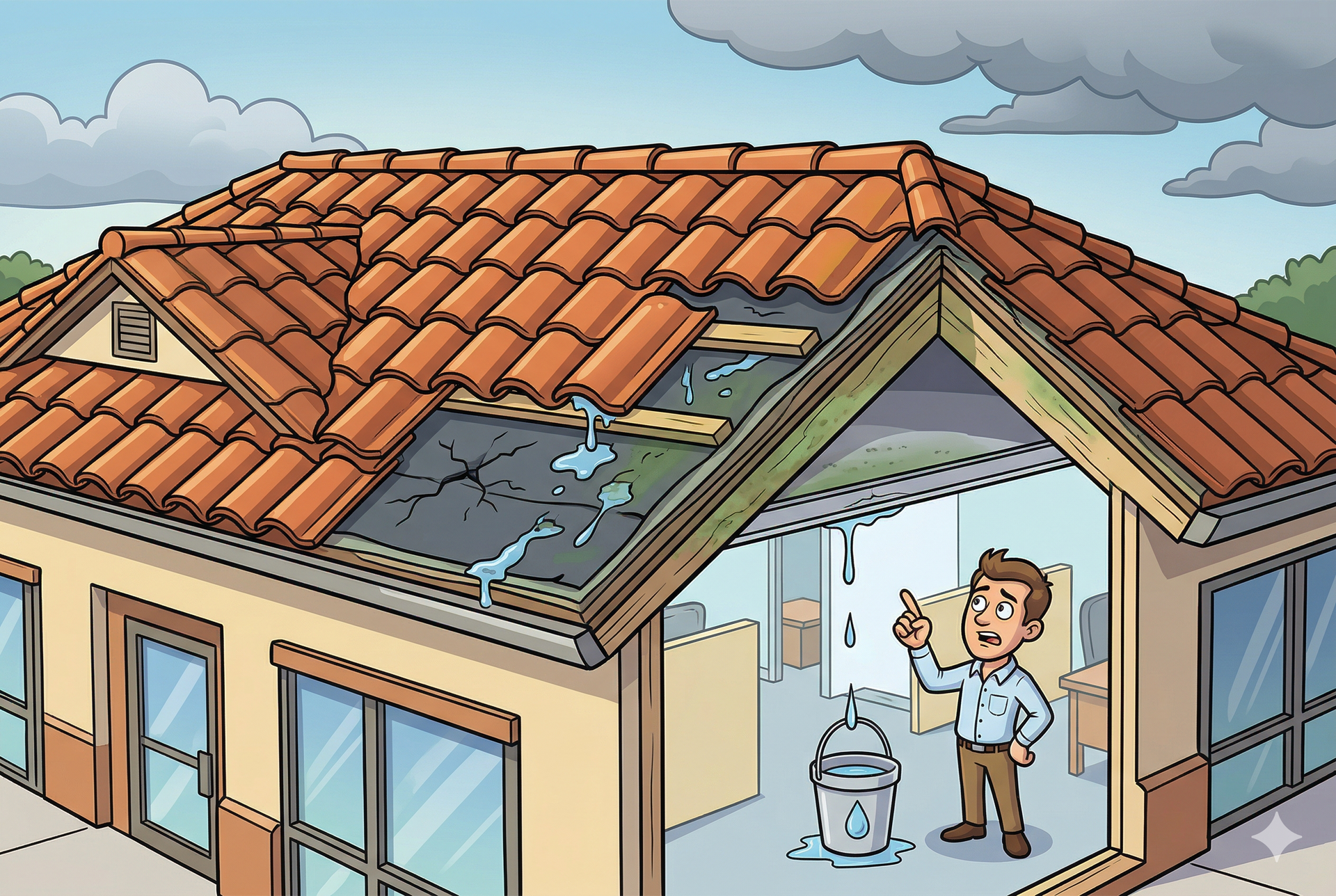
But when your roof has reached the end of its life, or Texas weather has turned it into a patchwork science project, a full roof replacement becomes less of a choice and more of a very smart decision.
At Renown Roofing & Construction, we’ve helped thousands of homeowners across Flower Mound and DFW replace their roofs. And one thing we’ve learned is this:
Most people aren’t nervous about the roof itself.
They’re nervous because they don’t know what’s about to happen.
Will it be loud?
Will your yard survive?
Will your dog think the apocalypse has arrived?
Fair questions.
So let’s walk through exactly what to expect during a full roof replacement.
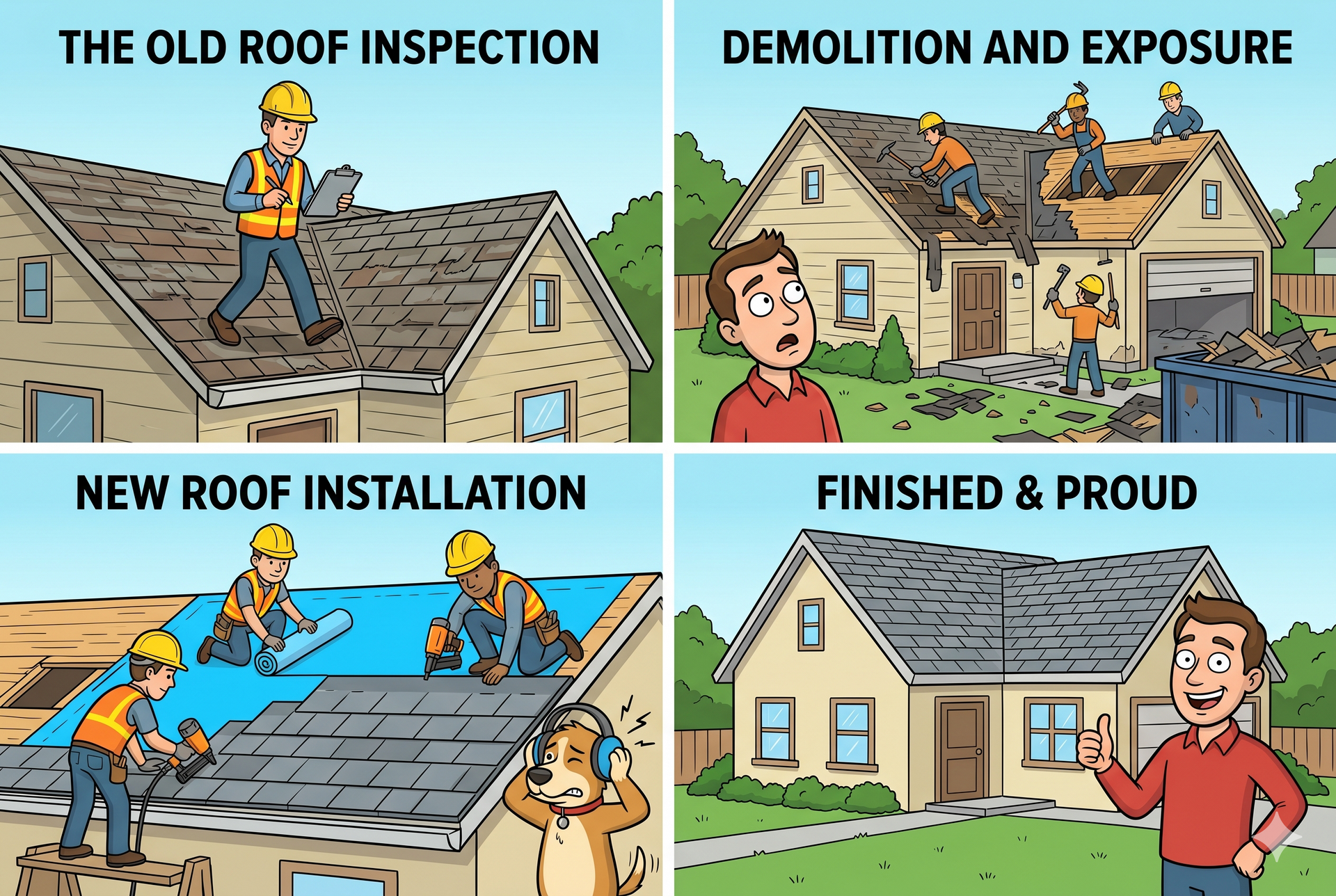
Step 1: Pre Project Inspection and Planning
Before anything gets torn off, the project starts with planning.
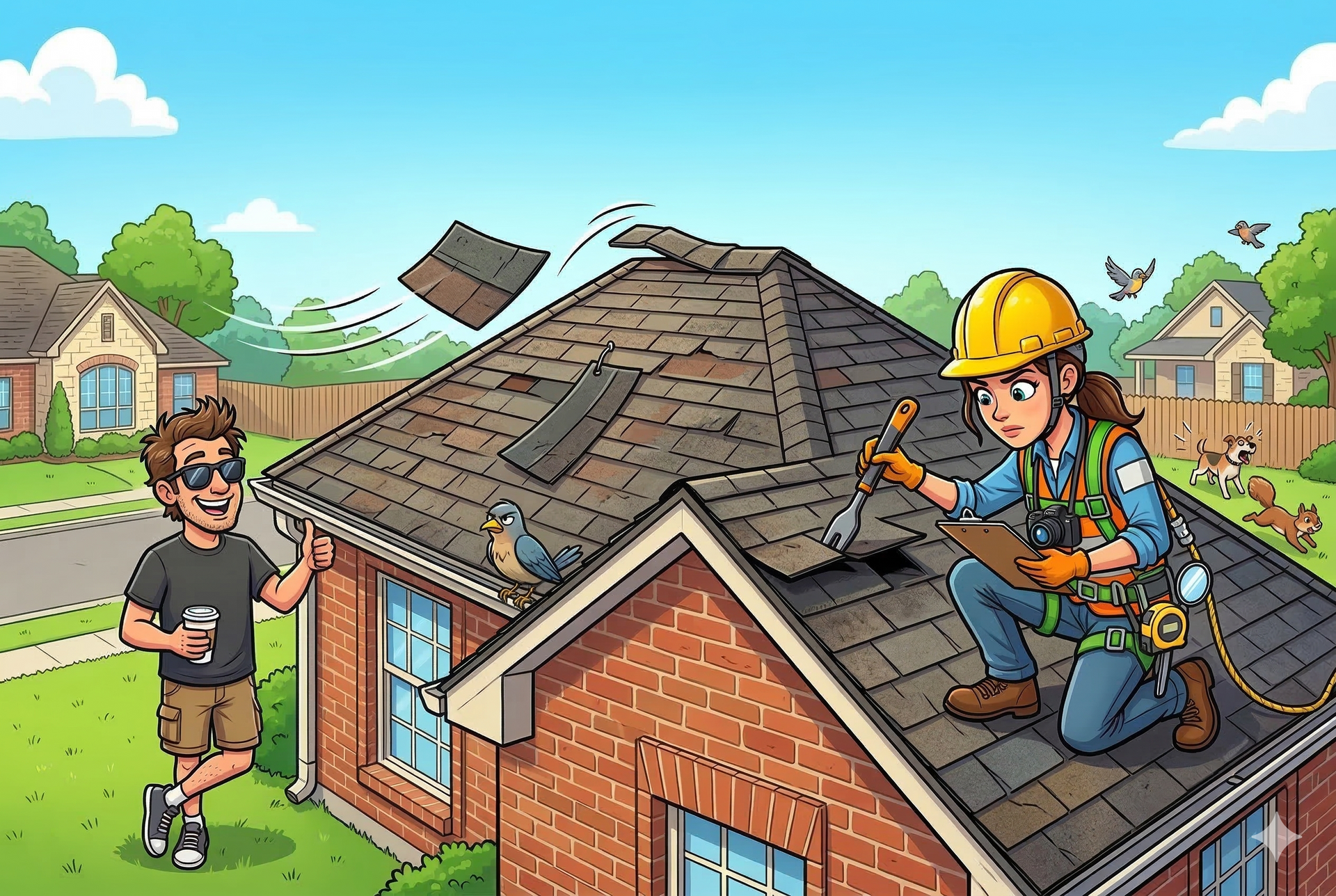
Your roofing team will inspect:
- Existing shingles
- Flashing
- Ventilation
- Gutters
- Roof decking
- Attic condition
This helps identify hidden issues before work begins.
Think of it like a medical checkup… except your roof does not complain about the waiting room.
You’ll also review:
- Material choices
- Colors
- Timeline
- Warranty options
- Project logistics
No surprises. No guessing.
Step 2: Materials Arrive
Usually before the project begins, roofing materials are delivered.
You may see:
- Shingles
- Underlayment
- Flashing materials
- Ventilation components
- Dump trailers or debris containers
Yes, your driveway may look like your roof joined a construction reality show.
This is normal.
Your contractor should explain where materials will be placed to minimize disruption.
Step 3: The Tear Off Begins
This is where things get loud.
Very loud.
The old roofing materials are removed down to the decking.
This includes:
- Old shingles
- Felt or synthetic underlayment
- Damaged flashing
- Worn ridge caps
This step allows the roofing team to see the actual condition of the structure underneath.
It also creates enough noise to make your dog question every life choice it has ever made.
Step 4: Roof Deck Inspection
Once the old materials are removed, the decking gets inspected.
This is critical.
The roof deck is the foundation of your roofing system.
If there is:
- Rot
- Soft wood
- Moisture damage
- Structural weakness
It gets repaired or replaced before the new roof goes on.
Because putting new shingles on damaged decking is like putting designer shoes on a broken treadmill.
Looks great. Still a problem.
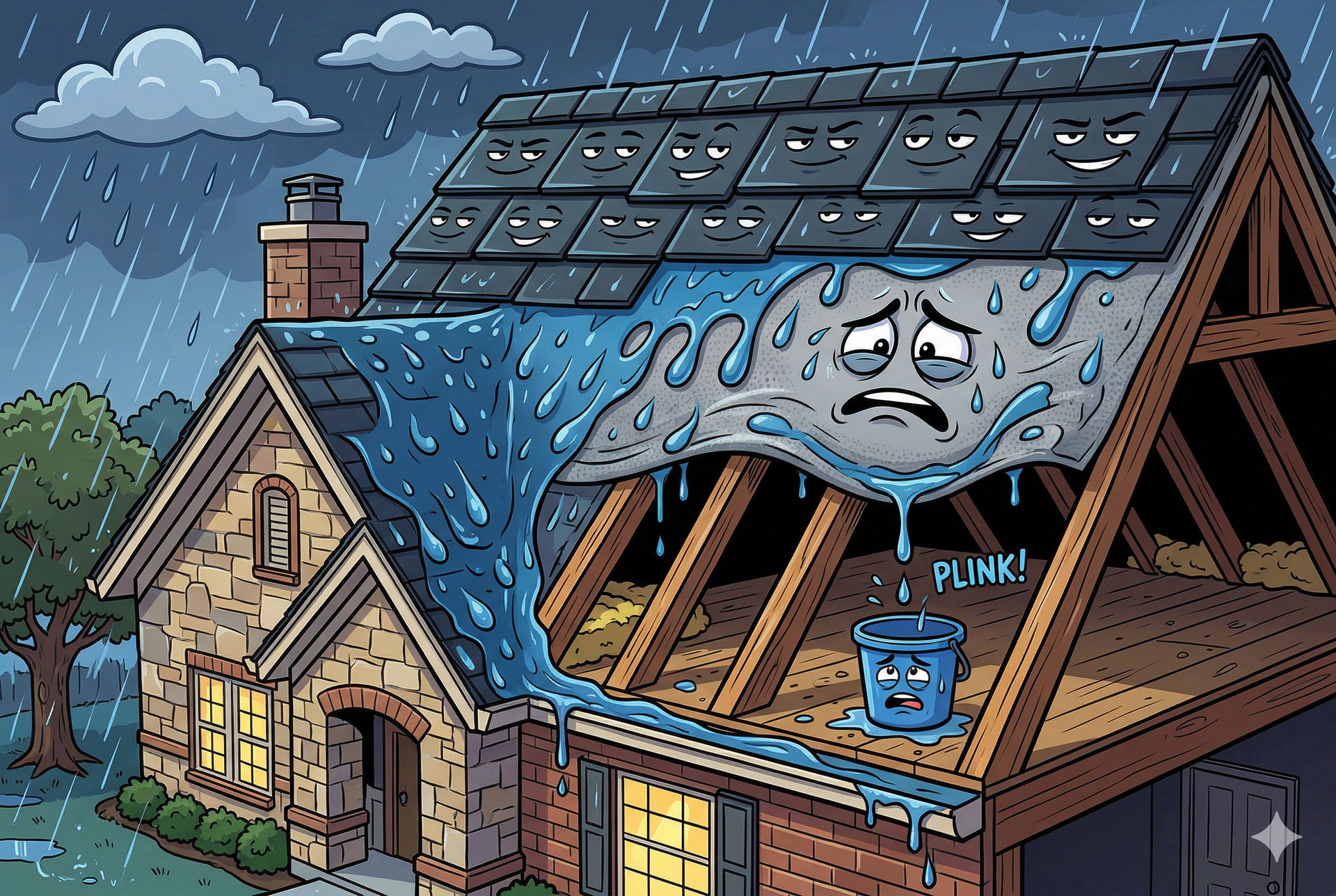
Step 5: Installing the Underlayment
Now the real protection starts.
The roofing team installs:
- Synthetic underlayment
- Ice and water shield in critical areas
- Moisture barriers
This layer protects your home if shingles are ever damaged.
It’s not flashy.
It also does a lot of the hard work.
Kind of like the person in your family who handles taxes.
Step 6: Flashing and Ventilation Upgrades
Next comes flashing and ventilation.
This includes:
- Chimney flashing
- Vent pipe sealing
- Valley protection
- Ridge ventilation
These details matter.
A beautiful roof with poor flashing is basically a very expensive water feature.
Proper ventilation also helps:
- Reduce attic heat
- Control moisture
- Extend roof lifespan
- Lower energy bills
Your attic will thank you.
Silently.
Step 7: Shingle Installation
Now the part everyone notices.
Your new shingles go on.
The crew installs them according to manufacturer specifications, making sure alignment, fastening, and sealing are done correctly.
This is where your home starts looking new again.
Neighbors may suddenly become interested in roofing.
This is normal too.
Step 8: Cleanup
A professional roofing company does not just finish the roof.
They clean like they were never there.
This includes:
- Removing debris
- Sweeping for nails with magnetic tools
- Cleaning landscaping areas
- Inspecting gutters and surrounding property
Your yard should not look like a construction zone after the job.
Unless your kids help.
Step 9: Final Inspection
Before the project is officially complete, a final inspection happens.
The roofing team checks:
- Shingle alignment
- Flashing installation
- Ventilation
- Cleanup quality
- Warranty compliance
This ensures everything meets manufacturer standards.
No shortcuts. No “looks good from the driveway.”
How Long Does a Roof Replacement Take?
Most residential roof replacements take:
- One day for smaller homes
- Two days for average homes
- Up to three days or more for larger or complex roofs
Weather can affect timing.
Because Texas weather likes to stay involved.
How to Prepare Your Home
Here are a few simple ways to prepare:
- Move vehicles out of the driveway
- Secure fragile wall items inside
- Keep pets indoors or in a quiet area
- Let neighbors know there may be noise
- Cover items in the attic if dust is a concern
A little preparation makes the process smoother.
Why Flower Mound Homeowners Trust Renown Roofing
- Certified installation teams
- Premium materials
- Advanced inspection tools
- A+ BBB rating
- Over 1,200 five star reviews
We do not just replace roofs.
We make the process clear, organized, and stress free.
A New Roof Should Not Feel Like a Mystery
Replacing your roof is a major investment.
Knowing what to expect makes it a lot easier.
Book an inspection.
Refer a colleague.
Call
972-782-5489 or visit
www.RenownConstruction.comto schedule your free roof inspection today.
Frequently Asked Questions (FAQ)
How long does a full roof replacement take
Usually one to three days depending on roof size and weather.
Do I need to leave my home during replacement
Usually no, but expect noise throughout the day.
Will my landscaping be protected
A professional roofing team takes steps to protect surrounding areas.
Can bad decking be replaced during the project
Yes. Damaged decking is repaired before new materials are installed.
Is roof replacement covered by insurance
Sometimes, especially if storm damage is involved.
Will my attic get dusty
Possibly, especially during tear-off.
Can work continue if it rains
Temporary protection is used, but weather may affect scheduling.
Will gutters be inspected too
Yes. Gutters are often checked during the process.
How do I choose shingles
Your contractor should help you select based on budget, style, and durability.
How do I know the roof was installed correctly
Final inspections and manufacturer compliant installation ensure quality.