How Long Should a Commercial Roof Inspection Take and What Should You Expect
Let’s be honest.
When someone says “commercial roof inspection,” most property owners are thinking one thing:
“How fast can we get this done so I can get back to actual business?”
Fair.
But here’s the problem. A rushed roof inspection on a commercial building is like a rushed financial audit. It might feel efficient, but it can miss the exact thing that costs you money later.
At Renown Roofing & Construction, we’ve inspected everything from small office buildings to large commercial properties across Flower Mound and the DFW area. The difference between a quick look and a real inspection is not small.
It is the difference between catching a problem early and explaining a leak to your tenants.
How Long a Commercial Roof Inspection Should Take
Short answer: longer than you think.
Small Commercial Buildings
For smaller buildings like retail shops or small offices, an inspection may take 45 minutes to 1 hour.
This includes walking the roof, checking key systems, and documenting findings.
If someone is done in 10 minutes, they probably inspected the parking lot more than the roof.
Large or Complex Buildings
Warehouses, multifamily properties, and large office buildings take longer.
These inspections can take several hours because of:
- Multiple roof sections
- Different materials
- Large surface areas
- Complex drainage systems
More square footage equals more places for problems to hide.
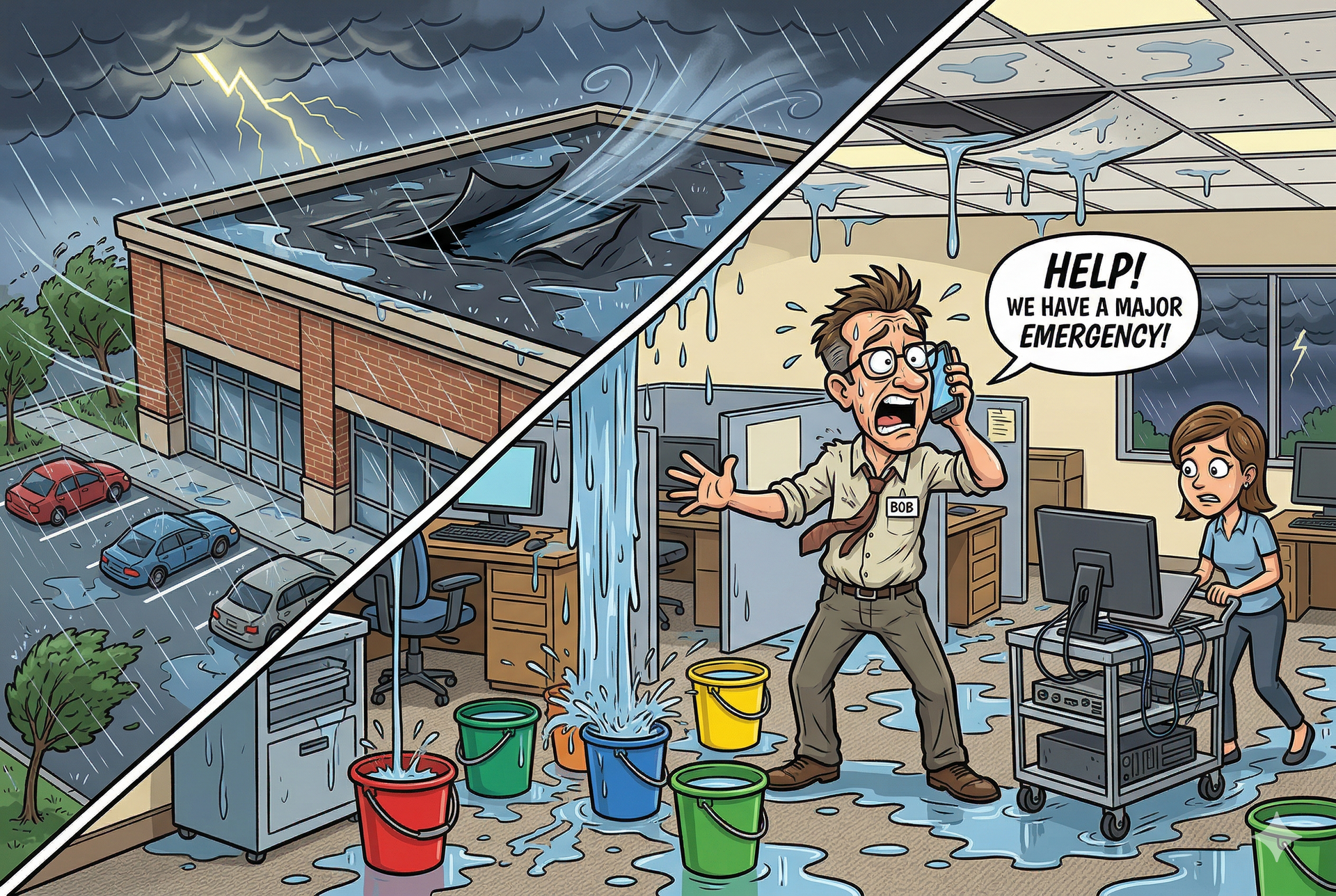
After a Storm or Active Leak
If you are dealing with storm damage or an active leak, inspections take even longer.
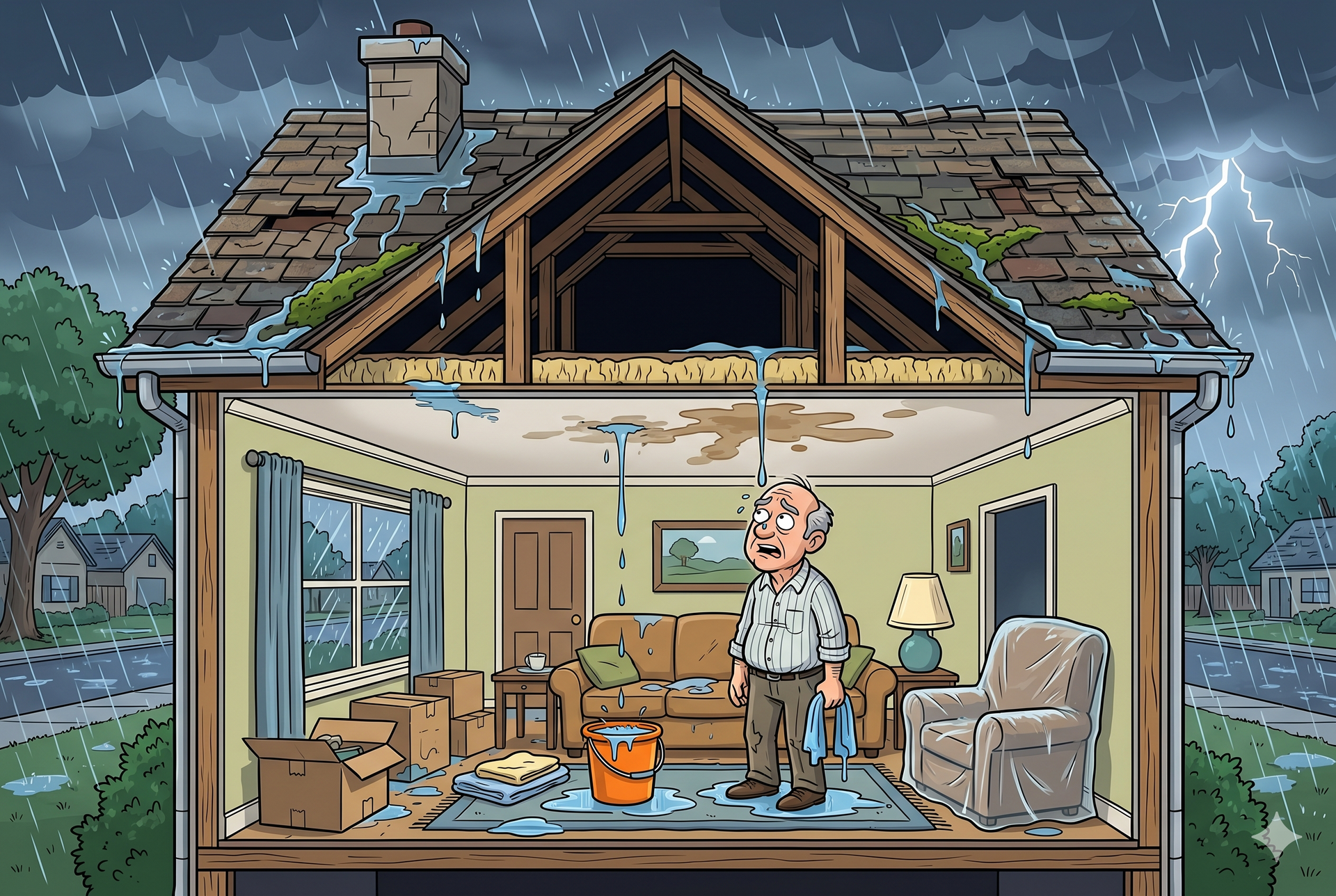
Inspectors need to trace water entry points, check for membrane damage, and assess how far the issue has spread.
Water does not always travel in straight lines. Unfortunately.
What a Proper Commercial Roof Inspection Should Include
A real inspection is systematic. Not random.
Full Roof Surface Inspection
Inspectors walk the entire roof surface, not just the easy areas.
They check membranes like TPO, PVC, or EPDM for:
- Punctures
- Seam separation
- Blistering
- Pooling water
Flat roofs hide problems well. That is why this step matters.
Drainage and Ponding Water Check
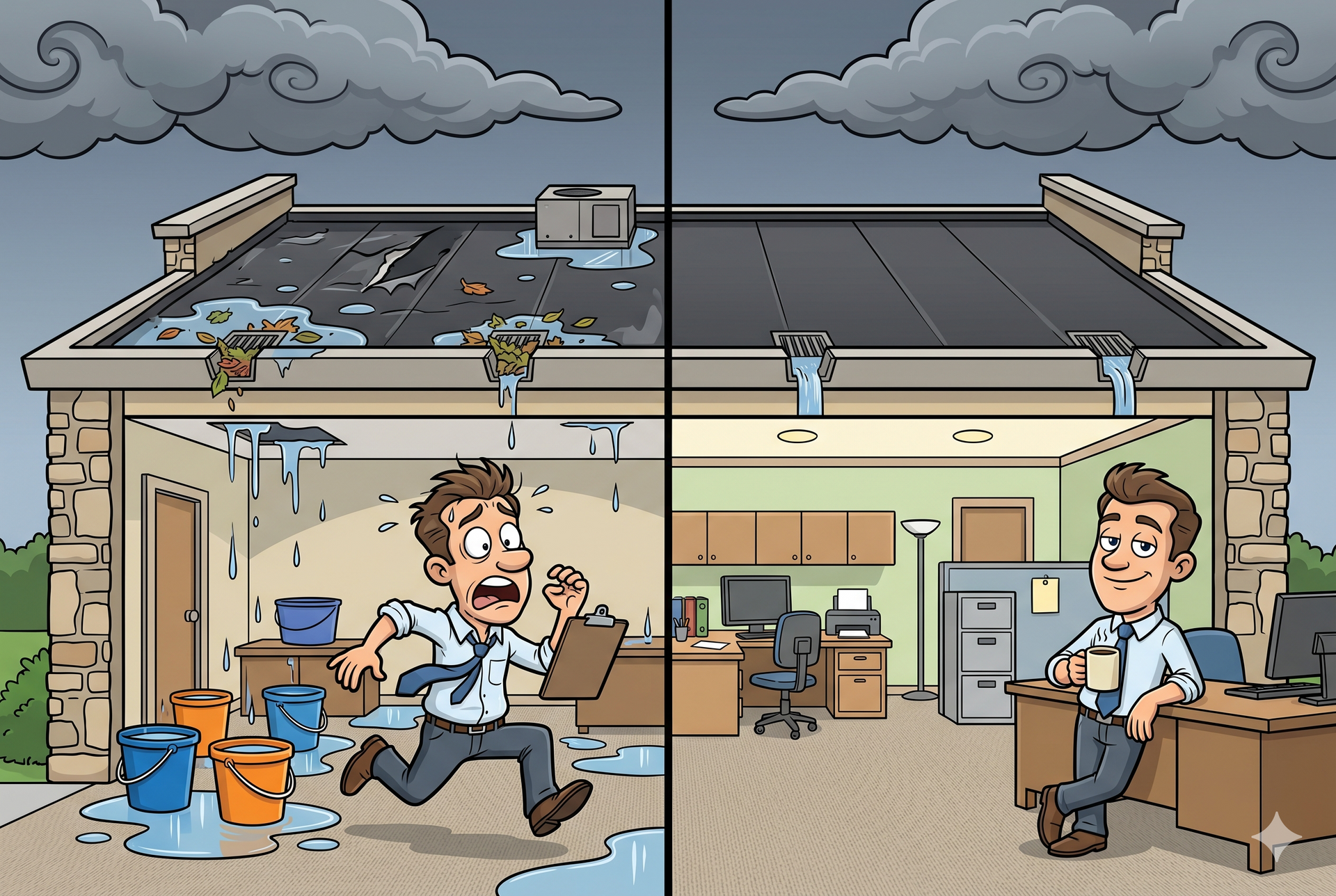
Commercial roofs rely heavily on proper drainage.
Inspectors check drains, scuppers, and slopes to ensure water flows correctly. Standing water can weaken the roof system and shorten its lifespan.
If water is hanging out longer than your last tenant, it is a problem.
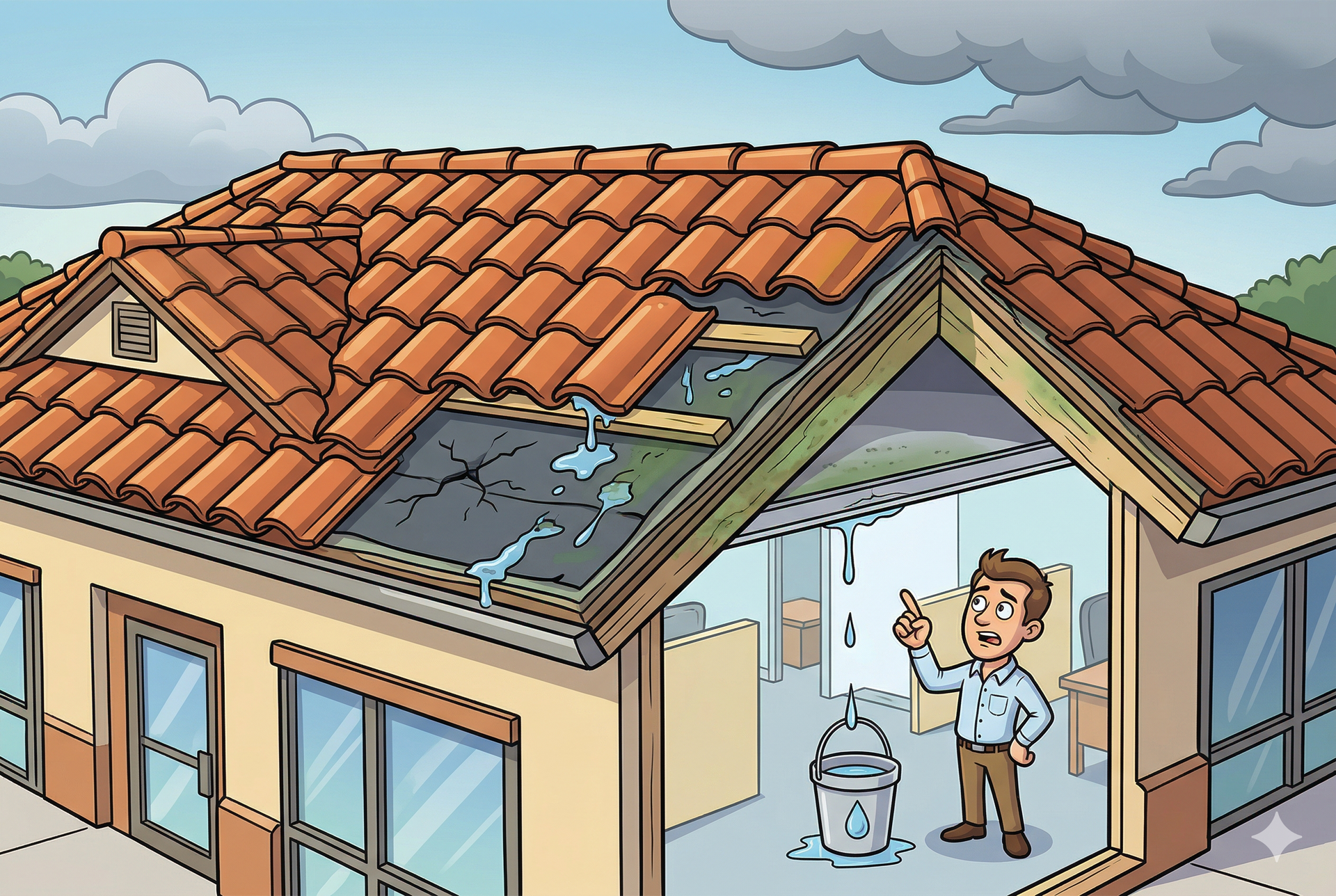
Flashing and Penetrations
Every vent, HVAC unit, and rooftop penetration is a potential leak point.
Inspectors examine flashing around these areas because small gaps can lead to major water intrusion.
Most leaks start here.
Interior or Ceiling Inspection
Sometimes the roof tells the truth from inside the building.
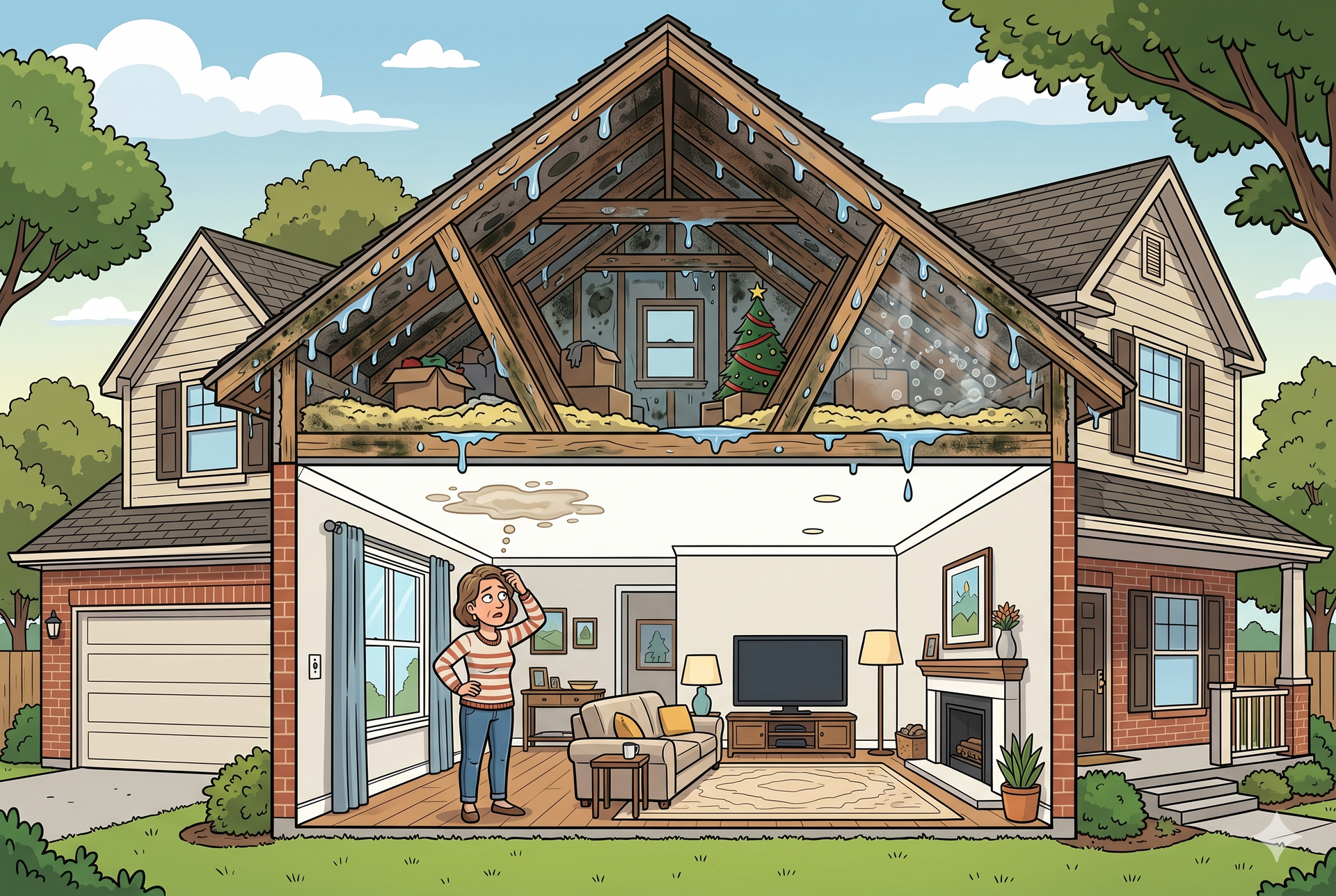
Inspectors may check ceilings, walls, or upper floors for signs of:
- Water stains
- Mold
- Moisture buildup
If tenants are complaining, this step becomes very important.
Documentation and Reporting
You should receive a detailed report.
This includes photos, problem areas, and recommendations. This is critical for maintenance planning and insurance claims.
If there are no photos, you are relying on someone’s memory.
That is not a great strategy.

Advanced Tools That Make a Big Difference
Not every roofing company uses advanced inspection tools. The ones that do tend to find more.
Infrared Roof Scanning
Infrared technology detects trapped moisture beneath the roof surface.
It identifies hidden water damage before it becomes visible. This is especially useful for flat commercial roofs where leaks are not obvious.
Think of it as catching problems before they introduce themselves.
Drone Inspections
Drones help inspect large or difficult to access areas safely.
They provide a full visual overview of the roof and help identify damage quickly.
Also, they look impressive. Which is a bonus.
Signs Your Commercial Roof Inspection Was Not Thorough
You can usually tell.
Watch for these:
• The inspection took less than 15 minutes
• The inspector did not walk the full roof
• No drainage or ponding evaluation was done
• No photos or report were provided
• You received a quote without clear findings
If it feels rushed, it probably missed something.
Why Commercial Roof Inspections Matter
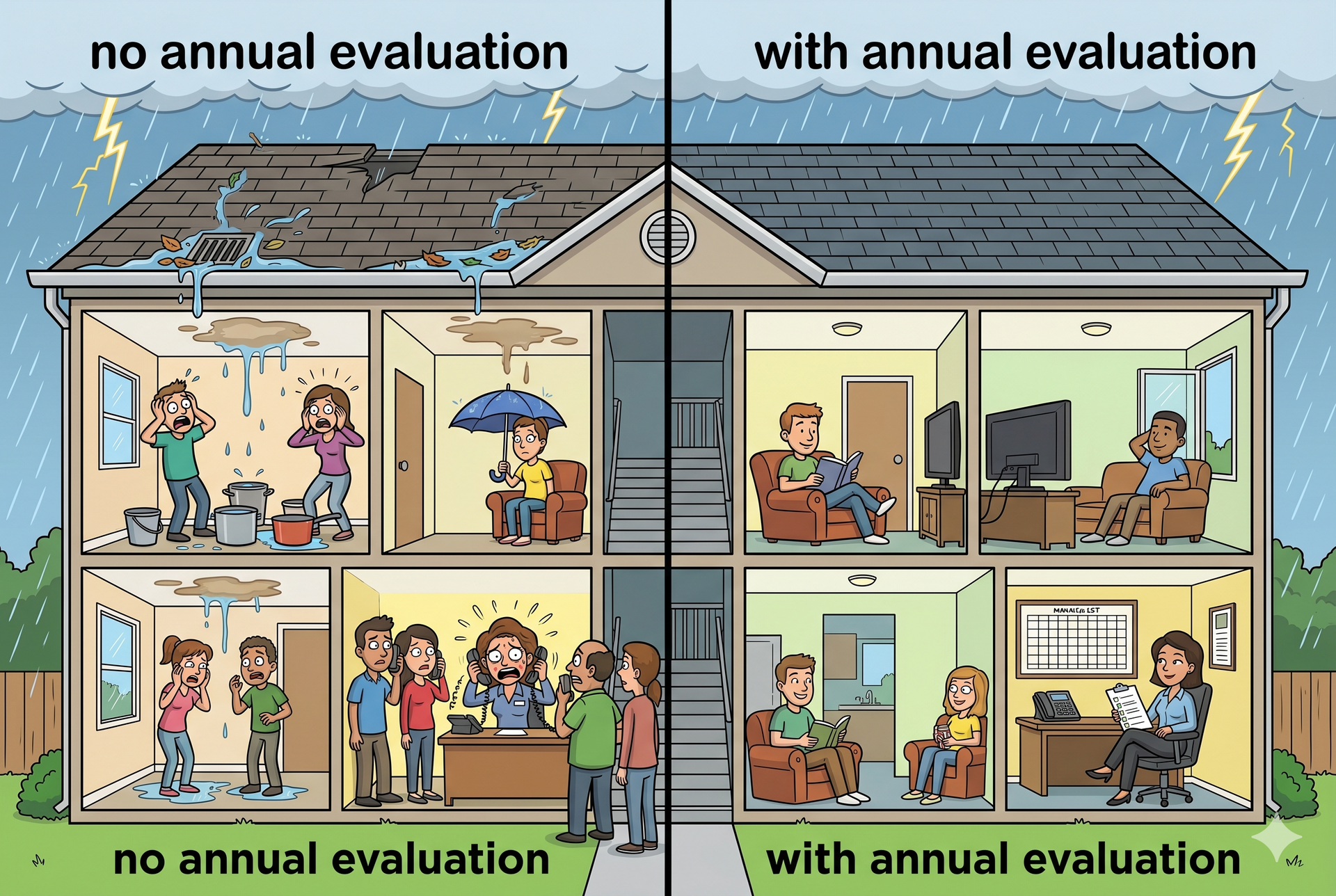
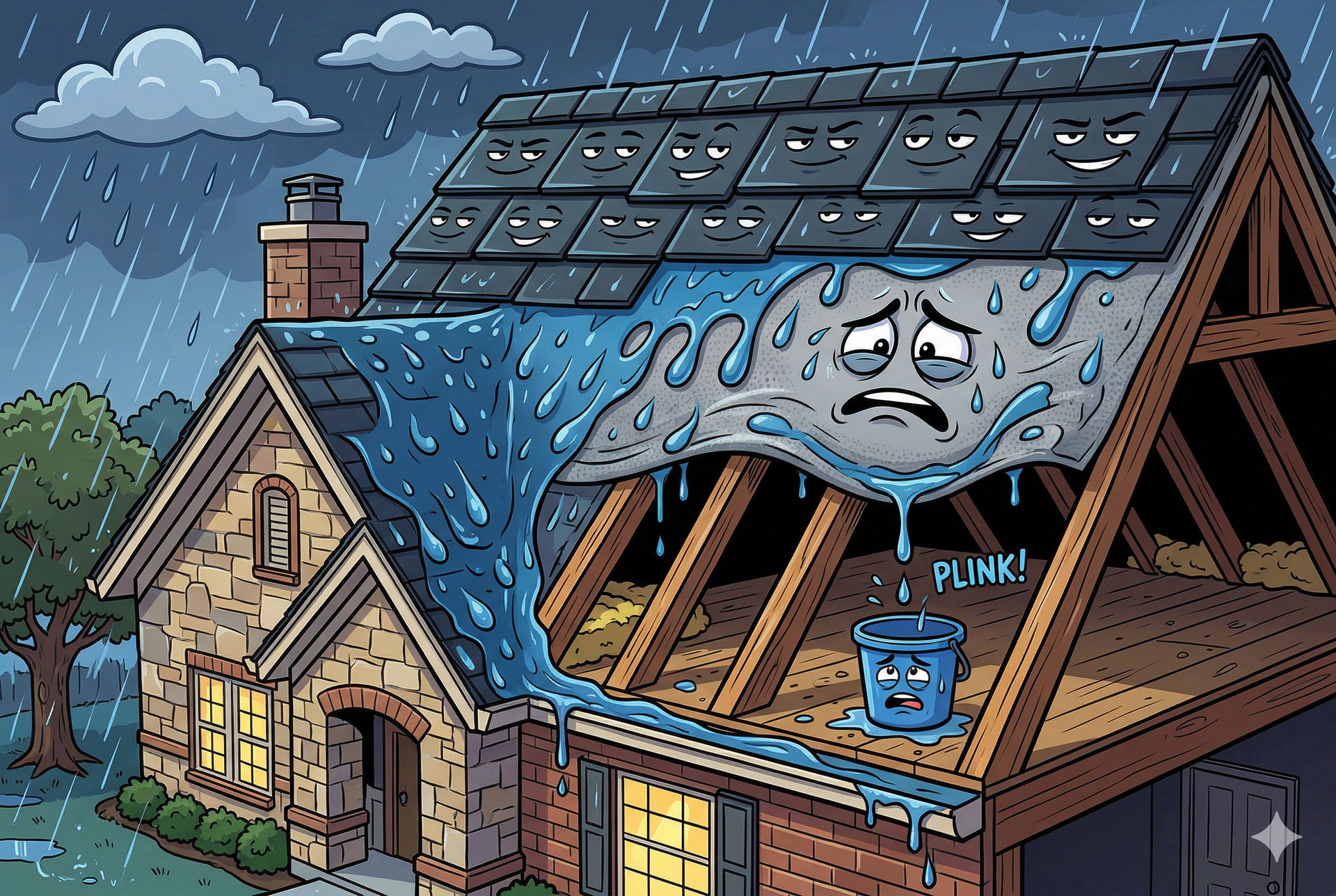
A small roofing issue in a commercial building rarely stays small.
- A minor membrane puncture can lead to water intrusion.
- Water intrusion can lead to tenant complaints.
- Tenant complaints can lead to lost revenue.
Now it is no longer a roof problem. It is a business problem.
Regular inspections help you:
- Avoid unexpected repair costs
- Extend roof lifespan
- Protect tenants and operations
- Plan maintenance budgets
In Flower Mound and across DFW, where storms are frequent, inspections are not optional. They are part of responsible property management.
What to Expect from Renown Roofing
We treat commercial inspections like they matter. Because they do.
Our process includes:
- Full roof surface walk
- Drainage system evaluation
- Flashing and penetration checks
- Interior moisture assessment when needed
- Detailed photo documentation
- Optional infrared scanning
We explain findings clearly so you can make informed decisions without confusion.
No guesswork. No surprises.
Do Not Let a Quick Inspection Cost You Later
Your commercial roof protects your building, your tenants, and your operations.
It should not be inspected faster than a coffee break.
A proper inspection takes time because it is protecting something valuable.
Book an inspection.
Refer a colleague.
Call
972-782-5489 or visit
www.RenownConstruction.comto schedule your free roof inspection today.
Frequently Asked Questions (FAQ)
How long does a commercial roof inspection take
Typically 45 minutes to several hours depending on size and complexity.
Are commercial inspections different from residential
Yes. Commercial roofs are larger, flatter, and require more detailed evaluation.
What is the most common issue found
Ponding water and membrane damage are very common.
Do inspections include interior checks
Often yes, especially if leaks or tenant complaints exist.
How often should I inspect my commercial roof
At least twice per year and after major storms.
What roofing systems are inspected
TPO, PVC, EPDM, metal, and other commercial systems.
Can inspections prevent major repairs
Yes. Early detection reduces costly damage.
Do you provide reports
Yes. Detailed reports with photos and recommendations.
Is infrared scanning necessary
It is not required but highly effective for detecting hidden moisture.
Why choose Renown Roofing
Certified expertise, advanced tools, and a track record of protecting commercial properties across DFW.