How Heat and UV Exposure Break Down Shingles in DFW
North Texas roofs endure more heat and sun exposure than most homeowners realize. In the Dallas–Fort Worth area, summer temperatures regularly climb past 100°F, and roofs absorb even more heat than the air around them. Day after day, intense sunlight and ultraviolet radiation slowly wear down roofing materials, even when no storms are present.
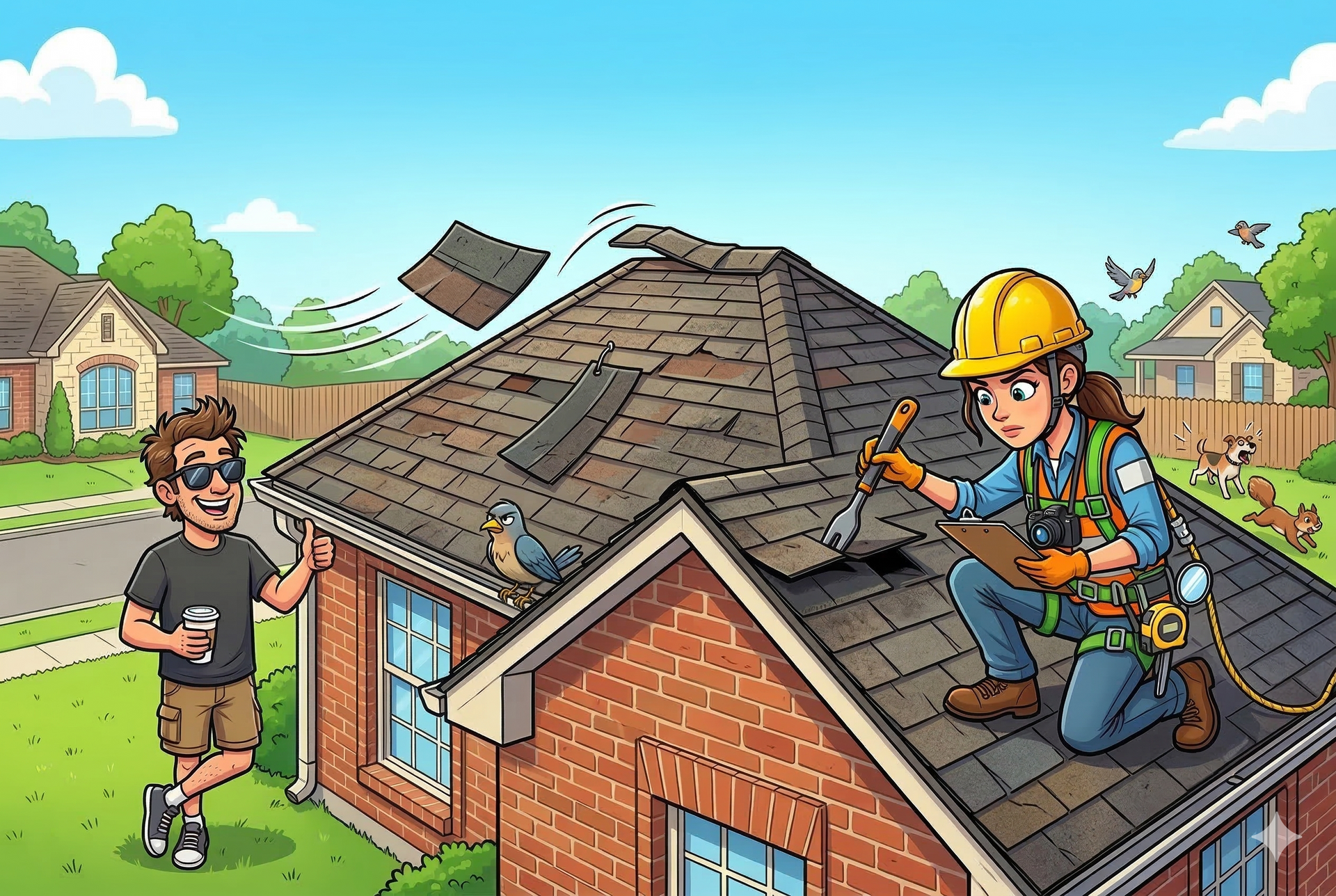
Many homeowners assume hail or wind causes most roof damage. In reality, heat and UV exposure quietly do just as much damage, often shortening a roof’s lifespan long before storms ever strike. At Renown Roofing & Construction, we frequently inspect roofs that look intact from the ground but are already failing due to prolonged heat and sun exposure.
This article explains how heat and UV rays break down shingles in DFW, the warning signs homeowners miss, and how proper materials and installation protect your roof.
The Reality of Heat Exposure on North Texas Roofs
When it is 100°F outside, your roof is far hotter. Dark shingles can reach surface temperatures between 150°F and 170°F during peak summer hours. That heat radiates downward into the attic and upward into the shingles themselves.
This constant thermal stress causes shingles to expand during the day and contract at night. Over years, this daily movement weakens the asphalt binder that holds shingles together. The result is a roof that looks fine initially but becomes brittle and fragile over time.
Heat damage is cumulative. Even without storms, years of exposure slowly reduce a roof’s ability to protect your home.
How UV Radiation Damages Shingles
Ultraviolet rays from the sun attack roofing materials at a molecular level. UV radiation breaks down the asphalt oils that keep shingles flexible and waterproof.
As these oils evaporate, shingles dry out. They lose elasticity and become stiff. Once this happens, shingles are far more likely to crack, curl, or break during wind events or temperature swings.
Granules provide UV protection, but once they loosen or fall off, shingles deteriorate even faster. This creates a cycle where UV damage accelerates with each passing season.
Common Ways Heat and UV Exposure Destroy Shingles
Heat and sunlight affect shingles in several specific and predictable ways.
Drying and Brittleness
Prolonged heat evaporates the oils inside asphalt shingles. When shingles dry out, they lose flexibility. Brittle shingles crack easily and fail under stress.
Granule Loss
Granules shield shingles from UV rays. Heat weakens the bond between granules and asphalt. As granules wash away into gutters, shingles become exposed and degrade rapidly.
Curling and Warping
As shingles expand and contract repeatedly, edges may curl upward or warp. This allows wind driven rain to slip underneath, leading to leaks.
Blistering
Extreme heat can cause trapped moisture or gases within shingles to form bubbles or blisters. When these pop, the shingle surface is permanently damaged.
Seal Strip Failure
Shingle seal strips rely on heat to activate properly, but excessive heat over time weakens them. Failed seals allow shingles to lift in high winds.
Why Heat Damage Is Worse in DFW Homes
DFW roofs face a unique combination of conditions that intensify heat damage.
Long Summers
Texas summers last longer than in many regions. Extended exposure means shingles endure more months of thermal stress every year.
High UV Index
North Texas consistently experiences high UV levels. Even on mild days, UV radiation continues to break down roofing materials.
Inadequate Ventilation
Many homes lack proper attic ventilation. Trapped heat below the roof deck bakes shingles from underneath, doubling the damage.
Dark Roofing Materials
Darker shingles absorb more heat. While popular for aesthetics, they often accelerate aging without proper ventilation or reflective technology.
Low Pitch Roof Designs
Some homes have roof designs that reduce airflow. This causes heat to linger on the roof surface longer.
Signs Heat and UV Damage Are Affecting Your Roof
Heat damage is often overlooked until it becomes severe. Watch for these warning signs.
- Shingles that appear faded or discolored
- Curling or lifting shingle edges
- Cracked or brittle shingles
- Granules collecting in gutters or downspouts
- Higher attic temperatures than expected
- Rising energy bills during summer months
If these signs are present, your roof may already be failing due to heat exposure.
How Heat Damage Leads to Bigger Problems
Heat and UV exposure do not just damage shingles. They affect the entire roofing system.
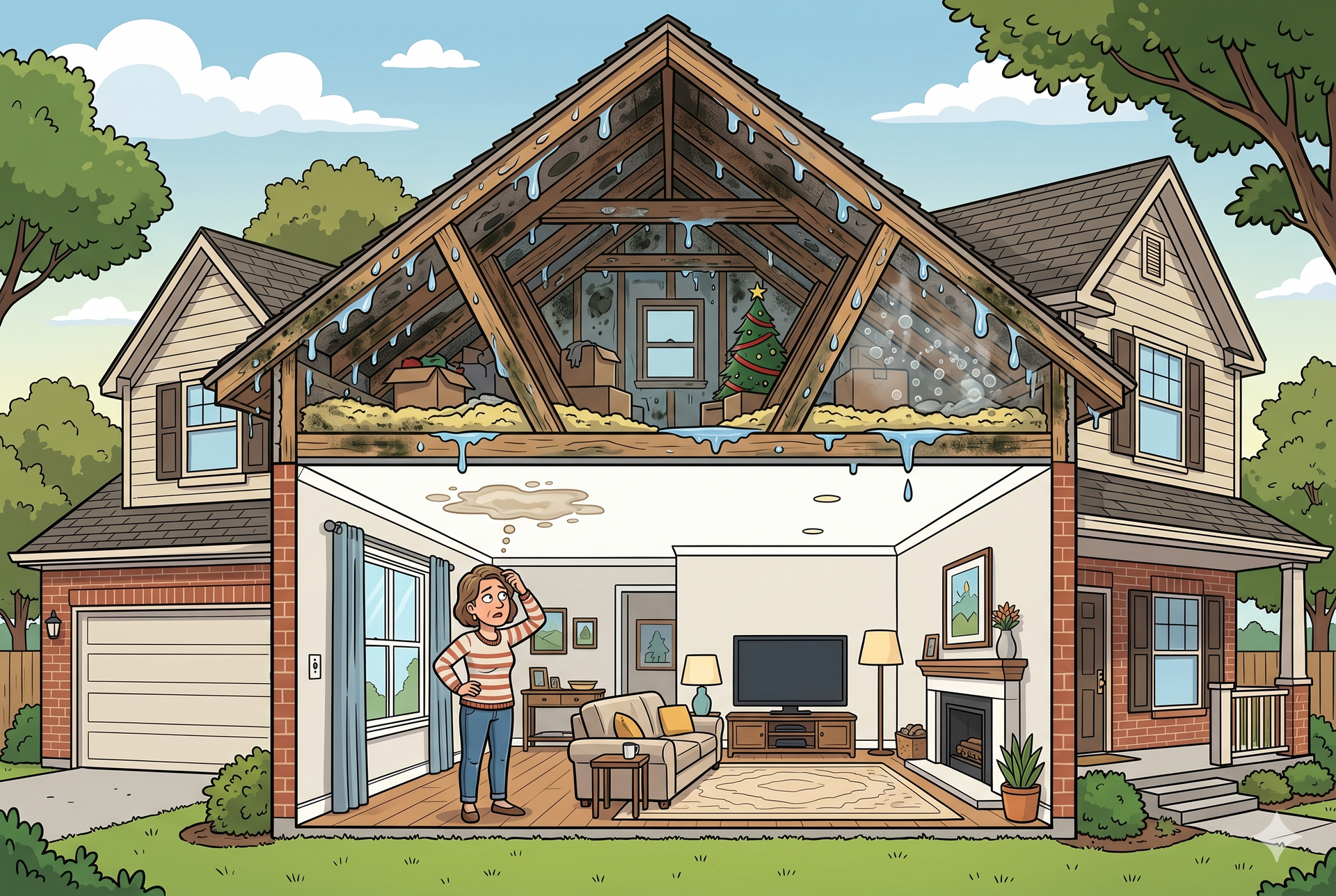
As shingles fail, water intrusion becomes more likely. Moisture seeps into underlayment and decking, leading to rot and mold. Heat damaged insulation loses effectiveness, causing HVAC systems to work harder and energy bills to climb.
Over time, the roof reaches a tipping point where repairs are no longer cost effective. Premature replacement becomes unavoidable.
How Renown Roofing Protects Homes From Heat and UV Damage
Renown Roofing & Construction designs roofing systems specifically for North Texas conditions.
Ventilation First Approach
Proper attic ventilation removes trapped heat. Balanced intake and exhaust systems reduce attic temperatures and protect shingles from below.
Heat Reflective Roofing Options
We install shingles with reflective granules that reduce surface temperatures and slow UV degradation.
Infrared Thermal Inspections
Infrared imaging identifies overheating areas, insulation gaps, and trapped moisture that accelerate heat damage.
Decking and Underlayment Evaluation
We ensure decking and underlayment are in good condition to prevent heat buildup and material failure.
Manufacturer Approved Installation
Correct installation ensures seal strips activate properly and shingles perform as designed under extreme heat.
Long Term Warranties
Proper installation and ventilation help homeowners qualify for manufacturer warranties up to 50 years.
Why DFW Homeowners Trust Renown Roofing
Texas heat requires roofing expertise. Renown Roofing delivers solutions built for it.
- Local Experience With Texas Climate
- Certified Inspectors and Trained Crews
- Advanced Diagnostic Tools
- Premium Materials Rated for High Heat
- A+ BBB Rating and Over 1,200 Five Star Reviews
Your roof faces intense heat every day. The right system makes all the difference.
Ready to Protect Your Roof From Texas Heat?
If your roof is aging faster than expected or your energy bills keep rising, heat damage may be the cause. Renown Roofing & Construction can evaluate your roof and design a solution built for DFW conditions.
Call
972-782-5489 or visit
www.RenownConstruction.com to schedule your free roof system inspection today.
Frequently Asked Questions (FAQ)
How hot does a roof get in DFW summers?
Roof surfaces can reach 150°F to 170°F during peak summer heat.
Can heat alone damage shingles without storms?
Yes. Heat and UV exposure cause gradual but serious deterioration over time.
Do lighter shingles help with heat damage?
Yes. Lighter and reflective shingles absorb less heat and age more slowly.
Does attic ventilation really matter for heat protection?
Absolutely. Poor ventilation bakes shingles from underneath and shortens roof life.
How long should shingles last in Texas heat?
With proper materials and ventilation, most roofs last 20 to 30 years. Poor systems fail much sooner.
Can heat damage void roof warranties?
Yes. Many manufacturers require proper ventilation to keep warranties valid.
Are cracked shingles always caused by hail?
No. Many cracks are caused by heat related brittleness.
How do I know if my roof is overheating?
High attic temperatures, curling shingles, and rising energy bills are common indicators.
Can heat damage be repaired or does it require replacement?
Minor issues can be repaired, but widespread heat damage often requires replacement.
When should I inspect my roof for heat damage?
At least once a year and after extreme heat waves or prolonged summers.