The Signs of Hidden Hail Damage You Can’t See From the Ground
After a hailstorm passes, many North Texas homeowners step outside, look at their roof from the driveway, and assume everything is fine. No missing shingles. No obvious holes. No leaks inside the home. Unfortunately, this false sense of security is one of the biggest reasons hail damage goes untreated until it becomes expensive.
Hail damage is often subtle. In many cases, it weakens your roof without creating immediate leaks. Weeks or even months later, those weakened areas fail, leading to water intrusion, mold, and premature roof replacement. At Renown Roofing & Construction, we inspect hundreds of roofs every year that homeowners believed were undamaged, only to uncover widespread hail impact once we got up close.
This article explains the hidden signs of hail damage you cannot see from the ground, why they matter, and how to protect your roof before small impacts turn into major problems.
Why Hail Damage Is Often Invisible From the Ground
Hailstones do not need to break through shingles to cause damage. Even small hail can strike with enough force to compromise the protective layers of your roof.
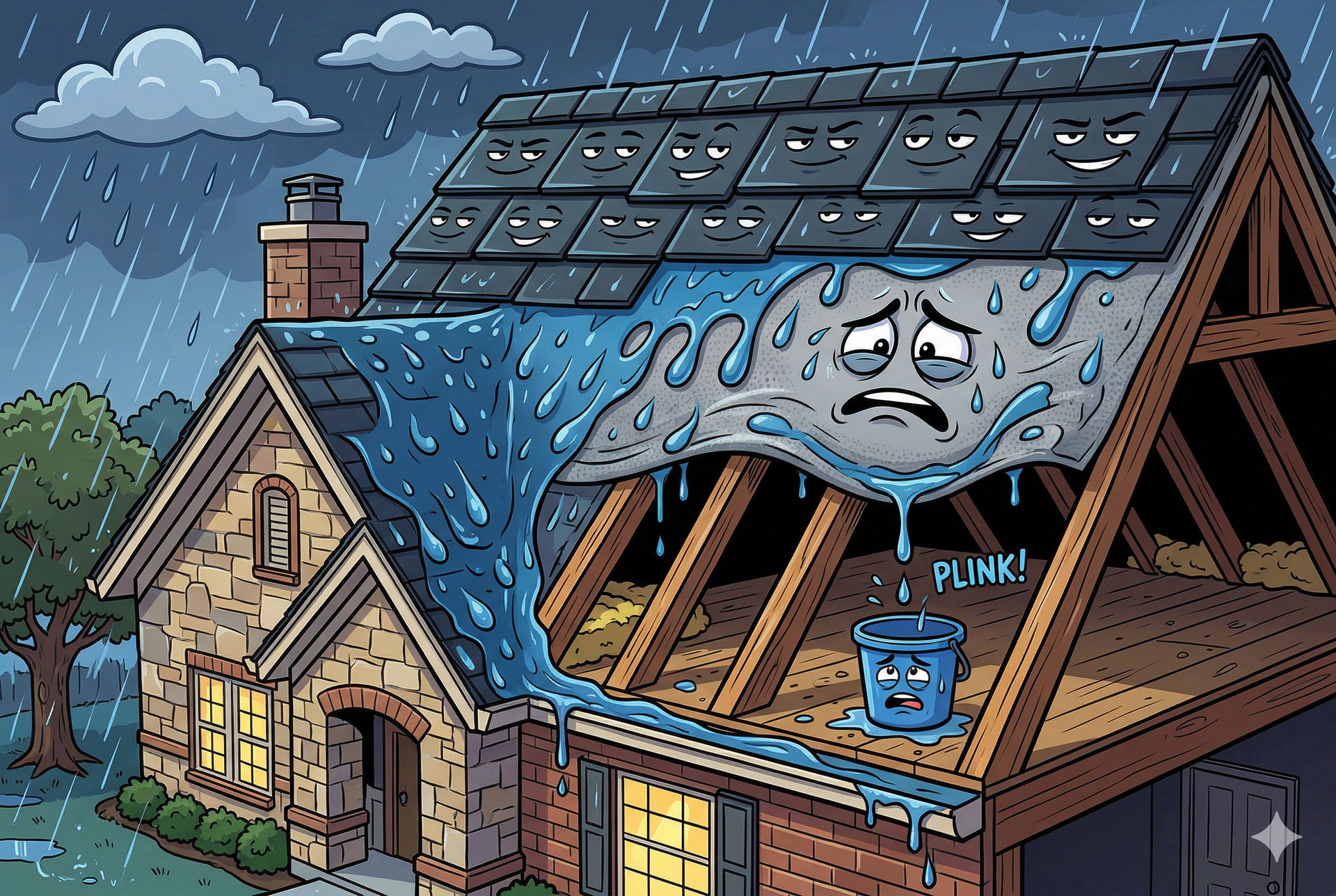
When hail hits a shingle, it compresses the asphalt mat beneath the granules. This creates bruising that may not be visible from a distance. From the street, the roof looks normal. Up close, the damage tells a different story.
Granules may still be present initially. Shingles may still lie flat. But the underlying structure is weakened, and that damage worsens with heat, rain, and time.
In DFW, where roofs already face extreme heat and UV exposure, hail bruising accelerates deterioration rapidly.
Common Types of Hidden Hail Damage
Many forms of hail damage only become clear during a professional inspection.
Bruised Shingles
A bruise occurs when hail impacts compress the asphalt mat beneath the granules. The shingle surface may look intact, but the impact fractures the internal structure. Over time, these areas crack and allow water intrusion.
Granule Displacement
Hail can knock granules loose without fully removing them. Granules may still sit on the shingle surface but are no longer bonded. These areas lose UV protection and break down faster.
Micro Cracks in Shingles
Hairline cracks caused by hail are often invisible from the ground. These cracks expand with heat and eventually allow moisture to penetrate the roof system.
Seal Strip Damage
Hail impacts can weaken or break the adhesive seal strips that hold shingles together. This allows shingles to lift during high winds, creating new entry points for water.
Soft Spots in the Shingle Surface
Hail bruises often leave soft, spongy areas. These spots deteriorate faster than surrounding shingles and frequently become the source of future leaks.
Why Hidden Hail Damage Gets Worse Over Time
Hail damage is rarely a one time event. Once shingles are bruised or weakened, Texas weather finishes the job.
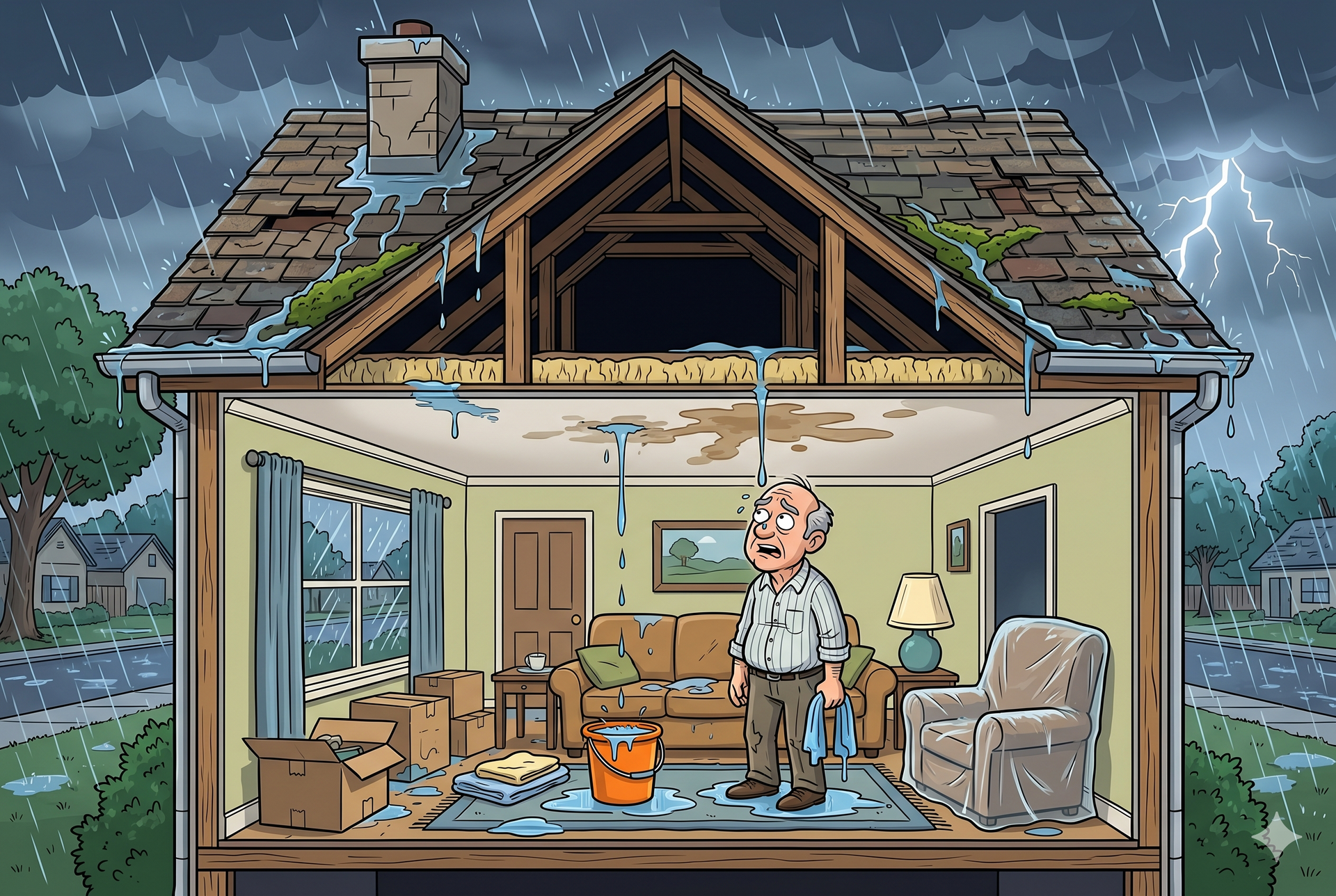
Heat causes damaged shingles to dry out and crack. UV exposure accelerates granule loss in impacted areas. Wind lifts shingles with weakened seal strips. Rain exploits the smallest openings.
What could have been addressed shortly after a storm often becomes a far more expensive repair months later. By the time leaks appear inside the home, the damage is usually widespread.
Signs Inside Your Home That Point to Hidden Roof Damage
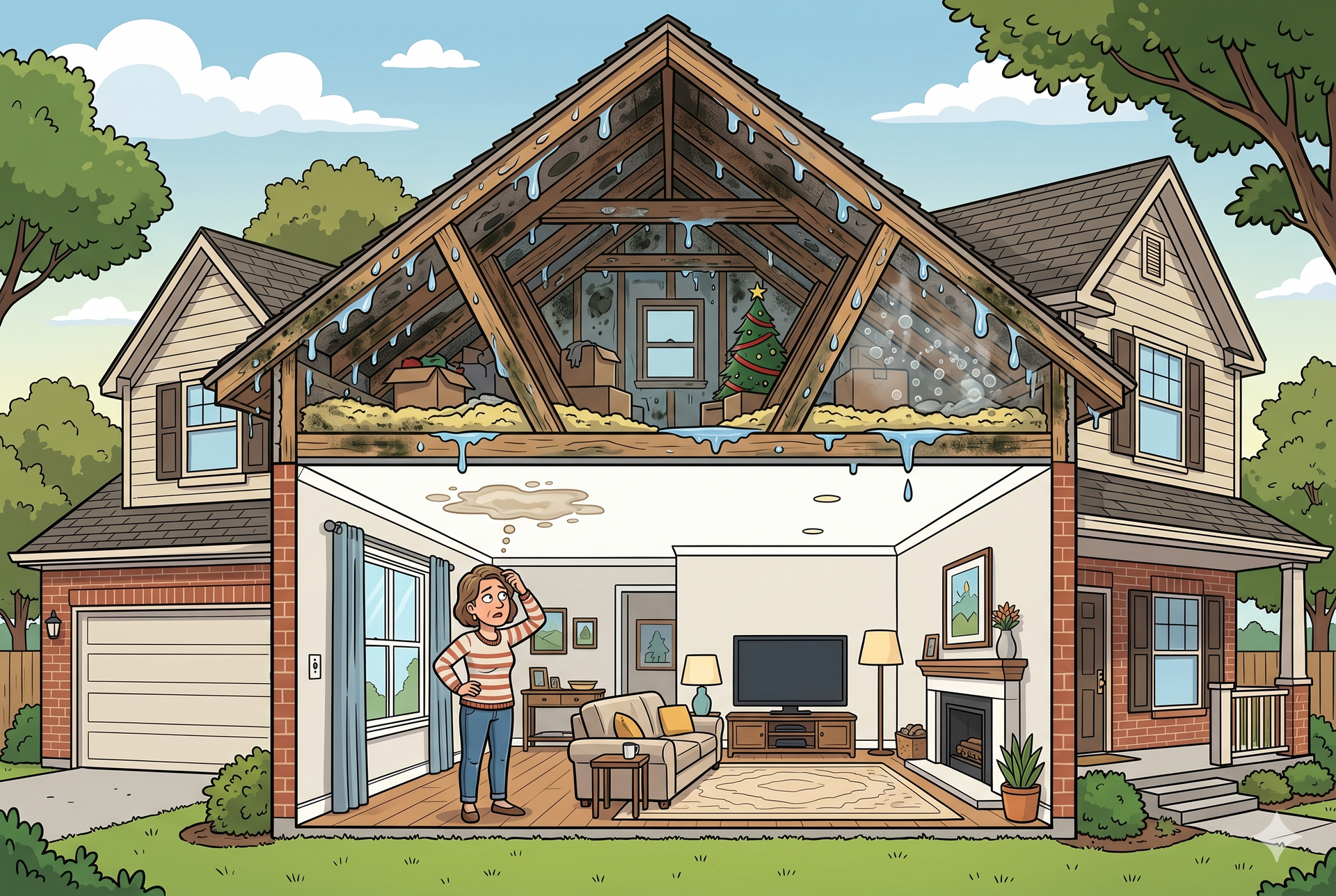
Sometimes the first warning signs appear indoors, long after the storm has passed.
- New ceiling stains or discoloration
- Musty odors in the attic or upper rooms
- Increased humidity inside the home
- Dripping sounds during rain
- Sudden spikes in cooling costs
These symptoms often indicate that hail damage compromised the roof earlier and is now allowing water or heat intrusion.
Why Waiting Too Long Can Cost You an Insurance Claim
Insurance policies typically have deadlines for filing hail damage claims. If damage is not documented within the allowed timeframe, coverage may be denied.
Hidden hail damage is especially problematic because homeowners do not realize it exists until long after the storm. At that point, insurance companies may argue the damage is due to wear and tear rather than a covered event.
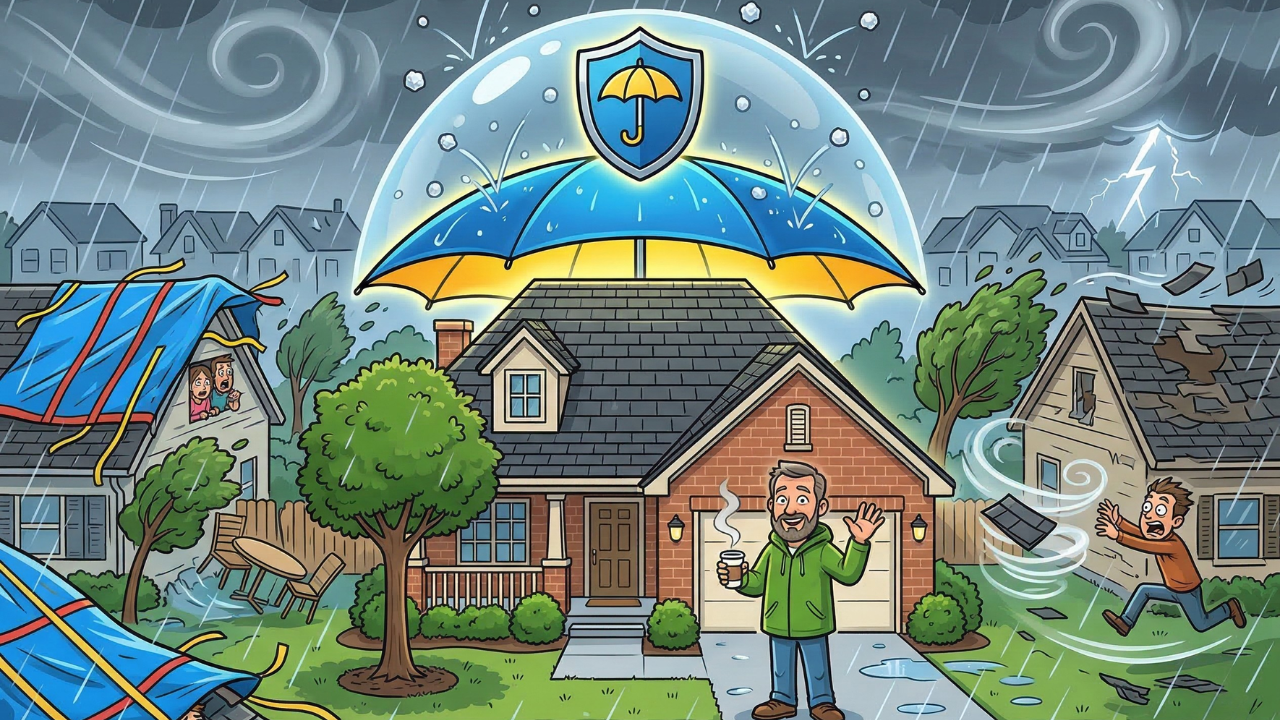
A professional inspection shortly after a hailstorm protects homeowners by documenting damage early and preserving claim eligibility.
How Renown Roofing Finds Hail Damage Others Miss
Renown Roofing & Construction does not rely on ground level inspections alone.
Close Range Roof Inspections
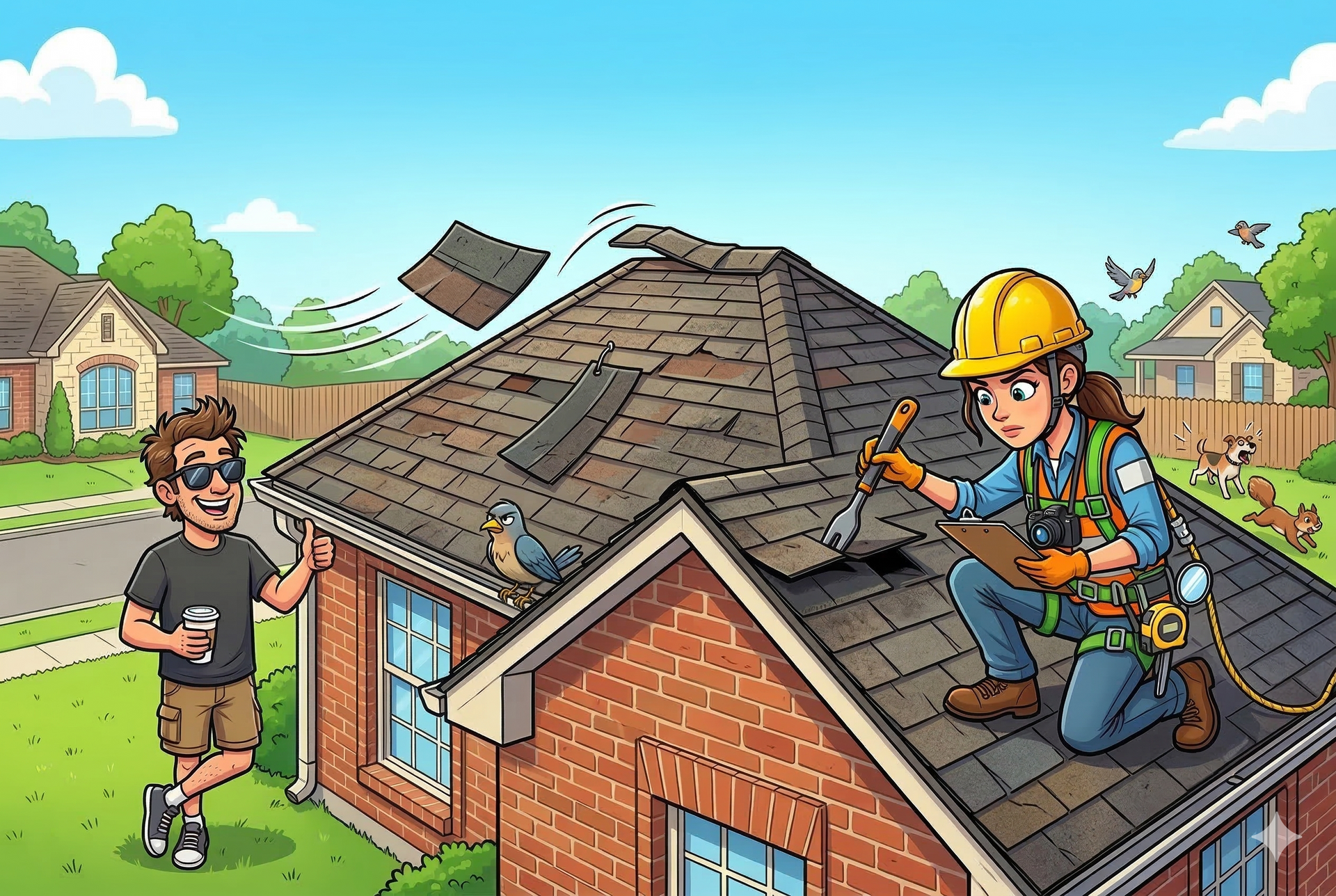
Our inspectors get on the roof to examine shingles at eye level. This allows us to identify bruising, granule loss, and micro cracks that are invisible from the ground.
Infrared Thermal Imaging
Infrared technology detects temperature variations caused by moisture trapped beneath shingles. This helps identify damaged areas before leaks are visible.
HAAG Certified Inspectors
Our inspectors are trained to identify legitimate hail damage and distinguish it from normal wear. This ensures accurate assessments and proper documentation.
Detailed Photo Documentation
We provide clear photos and reports that show damage insurance adjusters expect to see. This strengthens claims and reduces disputes.
Why DFW Homeowners Trust Renown Roofing
Renown Roofing & Construction designs roofing systems specifically for North Texas conditions.
Ventilation First Approach
Proper attic ventilation removes trapped heat. Balanced intake and exhaust systems reduce attic temperatures and protect shingles from below.
Heat Reflective Roofing Options
We install shingles with reflective granules that reduce surface temperatures and slow UV degradation.
Infrared Thermal Inspections
Infrared imaging identifies overheating areas, insulation gaps, and trapped moisture that accelerate heat damage.
Decking and Underlayment Evaluation
We ensure decking and underlayment are in good condition to prevent heat buildup and material failure.
Manufacturer Approved Installation
Correct installation ensures seal strips activate properly and shingles perform as designed under extreme heat.
Long Term Warranties
Proper installation and ventilation help homeowners qualify for manufacturer warranties up to 50 years.
Why DFW Homeowners Trust Renown Roofing
Hail damage expertise matters in North Texas. Renown Roofing delivers inspections and repairs built for local conditions.
- Decades of Combined Experience
- Advanced Inspection Tools
- Insurance Claim Support From Licensed Adjusters
- High Quality Repairs Using Premium Materials
- A+ BBB Rating and Over 1,200 Five Star Reviews
We know what hail does to Texas roofs, even when the damage is not obvious.
Do Not Trust a Driveway Inspection After a Hailstorm
If your roof was hit by hail, the absence of visible damage does not mean your roof is safe. Hidden damage is one of the leading causes of premature roof failure in DFW.
Renown Roofing & Construction can inspect your roof properly and identify damage before it becomes costly.
Call
972-782-5489 or visit
www.RenownConstruction.com to schedule your free roof inspection today.
Frequently Asked Questions (FAQ)
How hot does a roof get in DFW summers?
Roof surfaces can reach 150°F to 170°F during peak summer heat.
Can heat alone damage shingles without storms?
Yes. Heat and UV exposure cause gradual but serious deterioration over time.
Do lighter shingles help with heat damage?
Yes. Lighter and reflective shingles absorb less heat and age more slowly.
Does attic ventilation really matter for heat protection?
Absolutely. Poor ventilation bakes shingles from underneath and shortens roof life.
How long should shingles last in Texas heat?
With proper materials and ventilation, most roofs last 20 to 30 years. Poor systems fail much sooner.
Can heat damage void roof warranties?
Yes. Many manufacturers require proper ventilation to keep warranties valid.
Are cracked shingles always caused by hail?
No. Many cracks are caused by heat related brittleness.
How do I know if my roof is overheating?
High attic temperatures, curling shingles, and rising energy bills are common indicators.
Can heat damage be repaired or does it require replacement?
Minor issues can be repaired, but widespread heat damage often requires replacement.
When should I inspect my roof for heat damage?
At least once a year and after extreme heat waves or prolonged summers.