How to Tell if Your Roof Was Installed Correctly
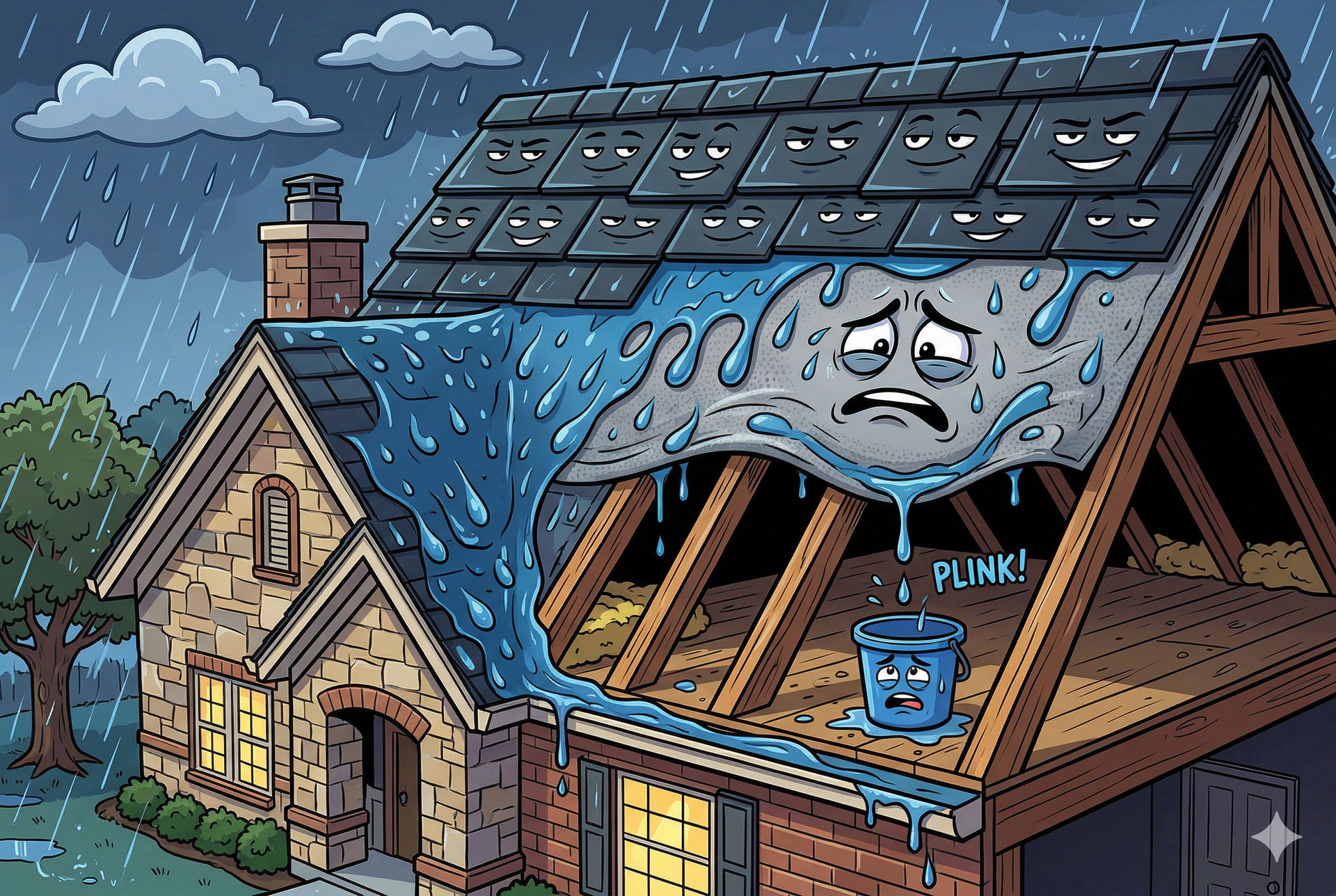
A new roof should give you peace of mind for decades. Unfortunately, many roofing problems in North Texas are not caused by storms or age. They are caused by poor installation. A roof can look fine from the street and still fail prematurely if it was not installed correctly.
At Renown Roofing & Construction, we inspect roofs across the Dallas–Fort Worth Metroplex every day. We often find installation errors on roofs that are only a few years old. These mistakes lead to leaks, higher energy bills, voided warranties, and costly repairs that homeowners never expected.
This guide explains how to tell if your roof was installed correctly, what red flags to look for, and how to protect your investment.
Why Proper Roof Installation Matters in Texas
North Texas roofs face extreme stress. Summer heat regularly exceeds 100°F. Strong winds lift shingles. Hail impacts test material strength. A roof that is not installed correctly will fail much faster under these conditions.
Installation errors often cause problems long before the shingles reach the end of their rated lifespan. Poor nailing patterns. Incorrect flashing. Blocked ventilation. Each issue creates weak points where heat and moisture enter the system.
Even worse, many manufacturers require proper installation for warranties to remain valid. A roof installed incorrectly may leave you without coverage when you need it most.
Visual Signs Your Roof Was Installed Correctly
Some signs of good workmanship are visible from the ground or attic. These indicators suggest the installer followed best practices.
Straight and Even Shingle Lines
Shingles should form clean, straight rows from the bottom of the roof to the ridge. Wavy or crooked lines often mean poor layout or rushed installation. Over time, misaligned shingles are more likely to lift or tear in high winds.
Uniform Shingle Overhang at Roof Edges
Shingles should extend slightly past the roof edge to allow proper water runoff into gutters. Overhang that is too short allows water to reach the fascia. Overhang that is too long increases wind vulnerability.
Consistent Nail Placement
Proper nail placement keeps shingles secure. Nails should be placed in the manufacturer’s designated nailing zone. Improper nailing leads to loose shingles, blow offs, and early failure.
Clean, Tight Flashing Around Penetrations
Flashing should lie flat and tight around chimneys, vents, skylights, and walls. Gaps, exposed nails, or bent flashing pieces are common sources of leaks and indicate poor installation.
Well Defined Ridge and Hip Caps
Ridge caps should be straight, evenly spaced, and securely fastened. Sloppy ridge work often allows wind driven rain to enter the roof system.
Signs of Poor Roof Installation
Many installation problems remain hidden until damage occurs. These warning signs often point to deeper issues.
Frequent or Unexplained Leaks
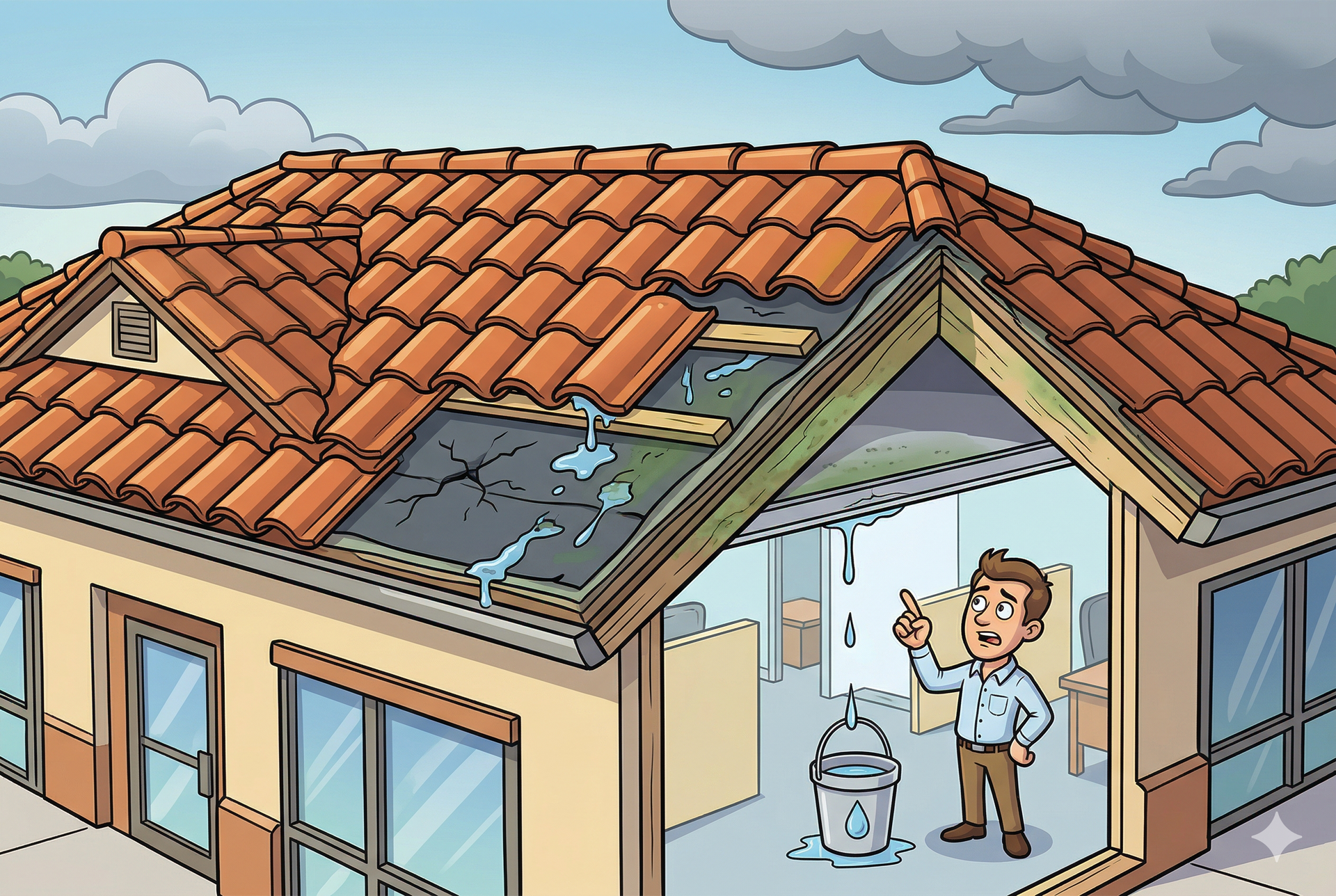
Leaks soon after installation almost always indicate flashing errors or improper underlayment. A new roof should not leak under normal weather conditions.
Excessive Granules in Gutters
Some granule loss is normal. Large amounts shortly after installation can indicate overdriven nails or damaged shingles caused during installation.
Shingles Lifting or Flapping in the Wind
Shingles that lift easily often lack proper sealing or correct nail placement. This increases the risk of wind damage and water intrusion.
Uneven Attic Temperatures
Poor ventilation design traps heat in the attic. This often results from blocked vents or missing intake ventilation during installation.
Visible Nails or Exposed Fasteners
Exposed nails rust over time and allow water into the roof deck. Proper installation hides fasteners or seals them correctly.
What You Should See in the Attic
The attic reveals critical clues about installation quality. A quick look can expose serious problems.
Proper Intake and Exhaust Ventilation
You should see a balance of soffit intake vents and ridge or roof exhaust vents. Missing or blocked vents trap heat and moisture.
Dry Roof Decking With No Stains
Dark spots or water stains indicate leaks. A properly installed roof keeps the decking dry even during heavy storms.
Even Insulation Coverage
Insulation should be evenly distributed without compression. Gaps often point to rushed work or disturbed insulation during installation.
No Daylight Through Roof Penetrations
Light coming through vents or joints means openings that allow water and air intrusion.
Renown Roofing uses infrared thermal imaging to identify hidden moisture, insulation gaps, and ventilation problems that are not visible to the eye.
Common Installation Mistakes That Cause Early Failure
Many roofs fail early due to the same repeated errors.
Improper Underlayment Installation
Underlayment is the last line of defense against water. Wrinkled, torn, or missing underlayment allows leaks even when shingles look intact.
Incorrect Flashing Sequences
Flashing must be layered correctly with shingles. Improper sequencing directs water into the roof instead of away from it.
Overdriven or Underdriven Nails
Overdriven nails damage shingles. Underdriven nails prevent proper sealing. Both shorten roof lifespan significantly.
Poor Ventilation Design
Ventilation is not optional in Texas. Without it, attic temperatures can exceed 150°F, cooking shingles from below and voiding warranties.
Skipping Manufacturer Installation Guidelines
Each shingle brand has specific requirements. Ignoring them leads to premature failure and denied warranty claims.
Why DFW Homeowners Trust Renown Roofing
Correct installation requires experience, training, and accountability. Renown Roofing delivers all three.
HAAG Certified Roof Inspectors
Our inspectors are trained to identify installation errors accurately and document them clearly for homeowners.
Infrared Inspections for Hidden Issues
Thermal imaging reveals moisture intrusion and insulation problems before they cause visible damage.
Manufacturer Certified Installation Teams
We follow strict manufacturer guidelines to ensure long term performance and warranty protection.
Storm and Insurance Expertise
Our licensed adjusters help homeowners address installation related damage during claims when applicable.
Long Term Warranties
Renown installs roofing systems backed by warranties up to 50 years, protecting your investment for decades.
Local Reputation You Can Trust
With an A+ BBB rating and more than 1,200 five star reviews, Renown Roofing has earned trust across North Texas through quality and transparency.
A roof installed correctly lasts longer, performs better, and protects your home the way it should.
Concerned About Your Roof Installation?
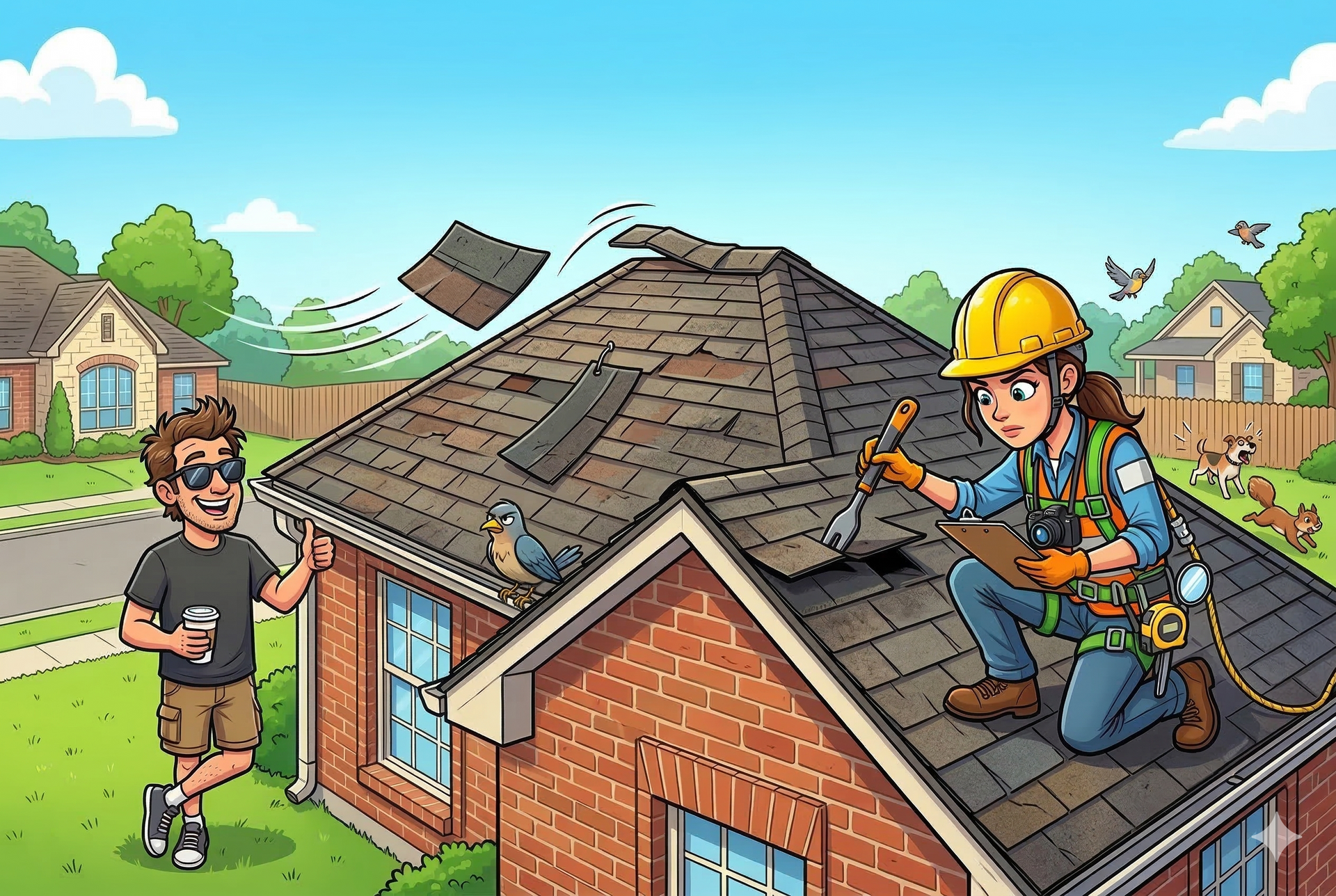
If you are unsure whether your roof was installed correctly, a professional inspection can save you from costly surprises.
Call
972-782-5489 or visit
www.RenownConstruction.com to schedule your free roof system inspection today.
Frequently Asked Questions (FAQ)
How soon do installation problems show up?
Some appear within months. Others take years but cause hidden damage the entire time.
Can a roof look fine and still be installed wrong?
Yes. Many installation issues are hidden beneath shingles or inside the attic.
Will insurance cover problems caused by bad installation?
Usually no. Insurance typically excludes workmanship issues, which makes proper installation critical.
How long should a properly installed roof last in Texas?
Most quality roofs last 20 to 30 years when installed and ventilated correctly.
Can poor installation void my roof warranty?
Yes. Many manufacturers deny claims if installation guidelines were not followed.
Do all roofers follow manufacturer guidelines?
No. Some cut corners to save time or cost. Certification helps ensure standards are met.
Should I inspect a roof right after installation?
Yes. A post installation inspection catches errors early while corrections are easier.
What is the biggest installation mistake you see in DFW?
Improper ventilation is one of the most common and damaging issues.
Can Renown inspect a roof installed by another company?
Yes. We provide independent inspections and detailed reports.
How long does a roof inspection take?
Most inspections take under an hour and include photos and clear recommendations.