Three-tab vs. Architectural Shingles: Which Lasts Longer in Texas?
Choosing the right roofing material in Texas isn’t just a matter of price or appearance—it directly impacts your home’s long-term protection, energy efficiency, and resale value. With extreme heat, intense UV exposure, spring hailstorms, and fast-moving wind events, Texas roofs endure far more abuse than roofs in milder climates. That’s why one of the most important questions homeowners ask is whether to install three-tab shingles or upgrade to architectural (dimensional) shingles. Both are widely used across the Dallas–Fort Worth Metroplex, but their performance and lifespan differ dramatically under Texas conditions.
At
Renown Roofing & Construction, we’ve installed and inspected thousands of residential roofs since 2012, giving us firsthand knowledge of how each material holds up in real-world Texas weather. Below is a comprehensive, real-life comparison to help you make an informed decision about the roof that protects your home.
Understanding the Core Differences
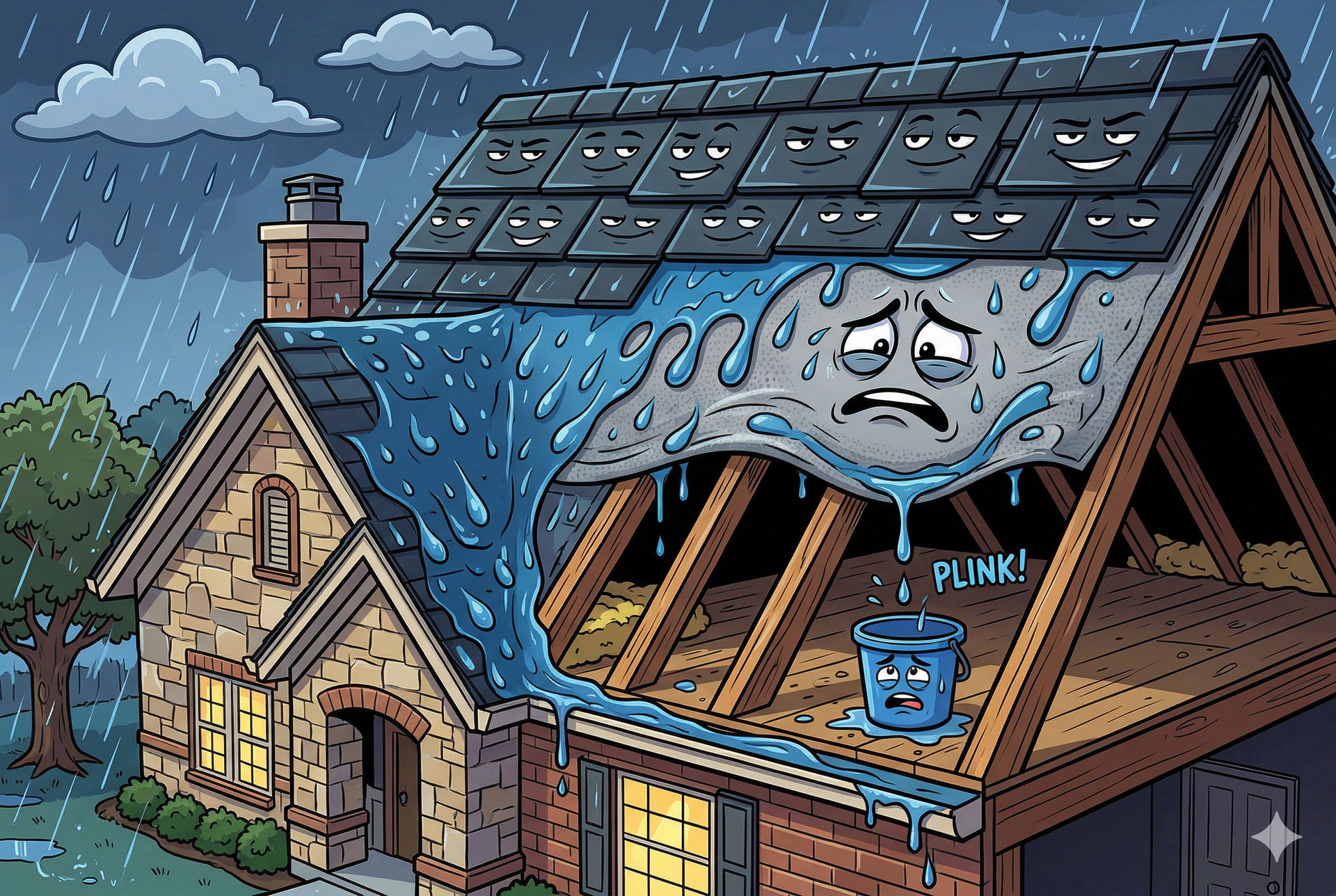
Although three-tab and architectural shingles share similar base materials—fiberglass mats, asphalt coatings, and protective granules—their construction and durability are not the same. Three-tab shingles are made from a single asphalt layer that forms a flat, uniform sheet. Their lightweight design makes them affordable and easy to install, but it also means they are more susceptible to cracking, curling, and granule loss. By contrast, architectural shingles are built with multiple laminated layers that create a thicker profile and a dimensional, high-end appearance. This multi-layer structure not only enhances curb appeal but also dramatically improves the shingle’s ability to withstand heat, wind, and hail—conditions Texas homeowners face regularly.
Architectural shingles also tend to mimic premium roofing materials such as slate or cedar shake without the maintenance or cost associated with those systems. Because of their construction, these shingles carry superior manufacturer warranties, better adhesion technology, and stronger resistance to long-term weathering. In short, although both shingle types serve the same purpose, one is engineered for basic coverage, while the other is designed for enhanced performance and longevity.
How Each Shingle Performs Under Texas Conditions
1. Heat & UV Resistance
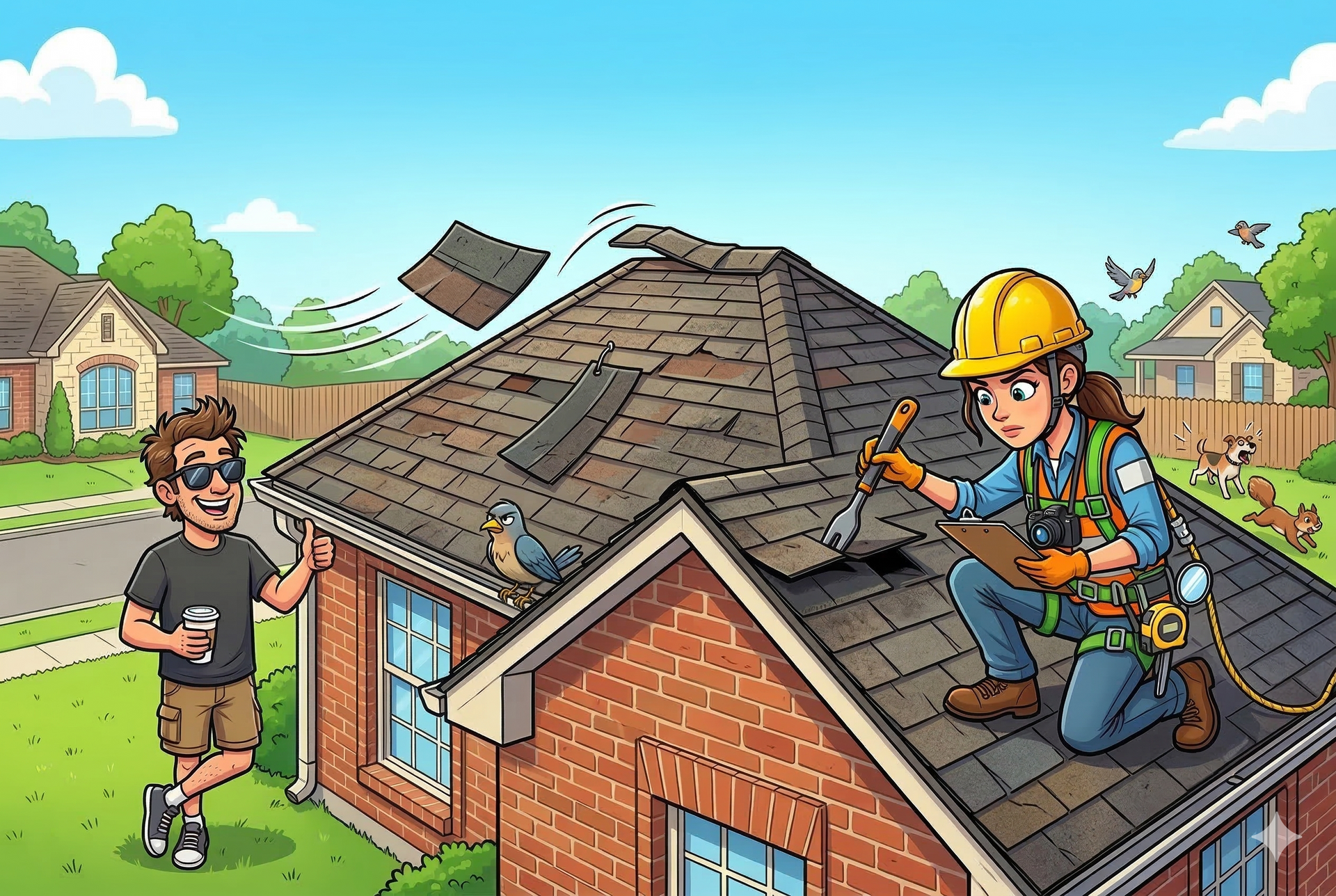
Texas summers can drive roof temperatures up to 160°F or more, and prolonged exposure to UV rays slowly dries out roofing asphalt. With three-tab shingles, this often leads to warping and curling, especially on older roofs or roofs without proper ventilation. Over time, UV exposure weakens the asphalt coating, causing faster granule loss and reducing the shingle’s protective layer.
Architectural shingles, however, are specifically designed to handle high heat environments. Their thicker asphalt layers slow down the drying process, while certain premium lines—such as CertainTeed Landmark Pro or Atlas Pinnacle Pristine—feature reflective granule technology that bounces a portion of solar radiation away from the roof. This not only keeps attic temperatures lower but also improves the shingle’s long-term durability. In a climate known for heat-related deterioration, architectural shingles consistently outperform three-tab shingles and maintain structural integrity much longer.
2. Wind & Storm Protection
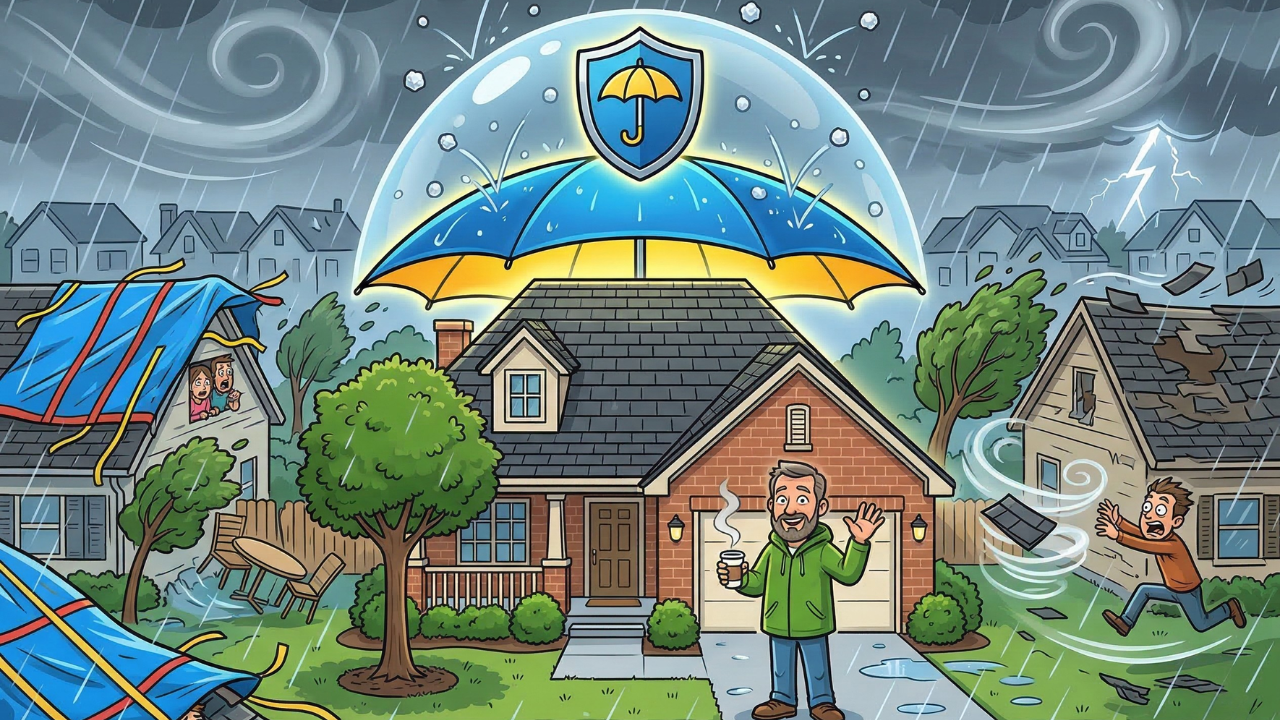
North Texas experiences strong wind events throughout the year, from spring thunderstorms to gust fronts and occasional tornado activity. Standard three-tab shingles generally carry wind ratings up to about 60 mph, which may sound sufficient, but in practice, we see three-tab shingles rip, lift, or crease even in moderate windstorms—especially once they’ve aged a few years.
Architectural shingles offer a significant advantage here. Because of their multi-layer construction and heavier weight, they adhere more firmly to the roof deck and resist wind uplift more effectively. Many architectural shingles are rated for
110–130 mph wind speeds, depending on the installation method and manufacturer. This increased wind resistance means a lower likelihood of shingle loss, fewer emergency repairs, and better overall roof stability during Texas storm seasons. When it comes to hail—a major concern in DFW—architectural shingles also perform better because their thicker bodies absorb impact more effectively and lose fewer protective granules.
3. Real Lifespan in Texas Climate
While manufacturers often list ideal lifespans under perfect conditions, Texas weather rarely offers those. In reality:
- Three-tab shingles typically last 12–18 years in Texas, even though their theoretical lifespan may be listed as 20–25 years. Heat exposure, violent storms, and rapid temperature swings shorten their usable life significantly.
- Architectural shingles last 25–40+ years, and in some cases, even longer when homeowners maintain proper ventilation and perform routine inspections.
Many architectural shingle systems also come with enhanced warranties that protect against manufacturer defects for up to 50 years, something three-tab shingles rarely offer. In terms of long-term cost, this increased lifespan makes architectural shingles the more economical choice for homeowners who plan to stay in their home for at least five years.
4. Appearance, Resale Value & Neighborhood Standards
One of the most noticeable benefits of architectural shingles is their depth and dimensionality. While three-tab shingles create a flat, uniform look, architectural shingles offer texture and shadow lines that enhance curb appeal. In many mid-range to high-end neighborhoods in the Dallas–Fort Worth area, architectural shingles are considered the standard, and using three-tab shingles may make a home appear outdated.
Because of this, homeowners frequently see a resale value increase simply by choosing architectural shingles. Realtors also note that buyers tend to favor homes with newer, higher-quality roofs, especially in storm-prone regions. Even if you aren’t planning to move soon, upgrading to architectural shingles can improve aesthetic appeal and marketability.
4. Appearance, Resale Value & Neighborhood Standards
One of the most noticeable benefits of architectural shingles is their depth and dimensionality. While three-tab shingles create a flat, uniform look, architectural shingles offer texture and shadow lines that enhance curb appeal. In many mid-range to high-end neighborhoods in the Dallas–Fort Worth area, architectural shingles are considered the standard, and using three-tab shingles may make a home appear outdated.
Because of this, homeowners frequently see a resale value increase simply by choosing architectural shingles. Realtors also note that buyers tend to favor homes with newer, higher-quality roofs, especially in storm-prone regions. Even if you aren’t planning to move soon, upgrading to architectural shingles can improve aesthetic appeal and marketability.
5. True Cost vs. Long-Term Value
The price difference between the two shingle types can be meaningful during installation:
- Three-tab shingles usually cost $3.50–$5.50 per square foot installed.
- Architectural shingles range from $5.50–$8.50 per square foot installed, depending on brand and specifications.
While the initial investment is higher for architectural shingles, their extended lifespan, reduced maintenance needs, stronger warranties, and superior performance mean they offer better long-term value. Homeowners who opt for architectural shingles typically save money over time simply because they avoid premature replacements and repeated storm-related repairs.
Why Renown Roofing Often Recommends Architectural Shingles
After inspecting thousands of roofs across the Dallas–Fort Worth Metroplex, Renown Roofing has consistently witnessed architectural shingles outperform three-tab systems in every critical category. Architectural shingles don’t just last longer—they sustain fewer damages during hailstorms, remain better adhered during high-wind events, and show less wear from heat and UV exposure. Because of this, we frequently recommend systems from premium manufacturers such as CertainTeed, Atlas, DaVinci, and IKO, many of which include Class 3 or Class 4 impact-resistant options.
Renown’s certified team—including HAAG-certified inspectors, licensed adjusters, and a certified thermographer—also uses advanced infrared technology to detect hidden leaks or moisture before recommending a replacement. When combined with premium materials and professional installation, your roof gains a level of durability and longevity that far exceeds the industry standard.
Ready to Upgrade Your Roof?
If you’re ready to replace your roof or want expert guidance on the best roofing material for your home, Renown Roofing & Construction is here to help. We’ve served thousands of homeowners across the Dallas–Fort Worth Metroplex with premium materials, certified inspections, and transparent, customer-first service.
📞
Call 972-782-5489
🌐
Visit
www.RenownConstruction.com
Schedule your free roof system inspection today.
Frequently Asked Questions (FAQ)
1. What’s the biggest difference between Three-tab and architectural shingles?
The core difference is construction. Three-tab shingles use a single-layer design that offers basic protection, while architectural shingles use multiple laminated layers that create a thicker, heavier, and more durable product. This enhanced construction gives architectural shingles better weather resistance, higher wind ratings, and longer lifespans, especially in climates like Texas.
2. How long do architectural shingles last in Texas?
Most architectural shingles last 25–40+ years in actual Texas conditions. Their laminated structure handles heat and UV rays far better than three-tab shingles, and their thicker construction provides better storm protection, which reduces early deterioration.
3. Are architectural shingles worth the extra cost?
Yes. Although the upfront cost is higher, the extended lifespan and reduced maintenance needs make architectural shingles more economical over the life of your roof. Homeowners save on repairs, replacements, and insurance claims while also gaining improved curb appeal and stronger warranties.
4. Can I upgrade from three-tab to architectural shingles on my current roof?
In most cases, yes. Renown Roofing will inspect your roof deck, underlayment, ventilation, and structural components to ensure your home can support the heavier shingle type. Most Texas homes easily accommodate the upgrade without modification.
5. Do architectural shingles offer better storm protection?
Absolutely. Architectural shingles have higher wind ratings, better adhesion, and a thicker profile that helps them withstand hail impacts more effectively than three-tab shingles. Many homeowners also choose impact-resistant Class 4 shingles for maximum protection.
6. Can architectural shingles help reduce my energy bills?
Yes. Premium architectural shingles often include reflective granules that reduce heat absorption, which can lower attic temperatures and decrease the strain on your home’s cooling system—especially valuable during Texas summers.
7. What brands does Renown Roofing install?
We install premium products from CertainTeed, Atlas, DaVinci, IKO, Tilcor, Decra, and Boral, all of which offer industry-leading warranties and long-term performance specifically suited for the Texas climate.
8. How can I tell if my shingles need to be replaced?
Signs include curling or cracking shingles, missing shingles, excessive granules in gutters, soft spots on the roof, or interior leaks. Renown Roofing provides free inspections—including infrared thermal scans—to detect hidden moisture that may not be visible from the surface.
9. Are roofing warranties transferable if I sell my home?
Most architectural shingle warranties are transferable, which can significantly enhance buyer confidence. This adds resale value and gives new homeowners peace of mind about the roof’s condition and coverage.
10. How do I schedule a roof inspection?
Simply contact Renown Roofing & Construction for a free, no-obligation inspection. Our certified team will provide a detailed report, explain your roofing options clearly, and guide you toward the best solution for your home’s needs and budget.