The Real Cost of Ignoring Small Roofing Issues in Texas
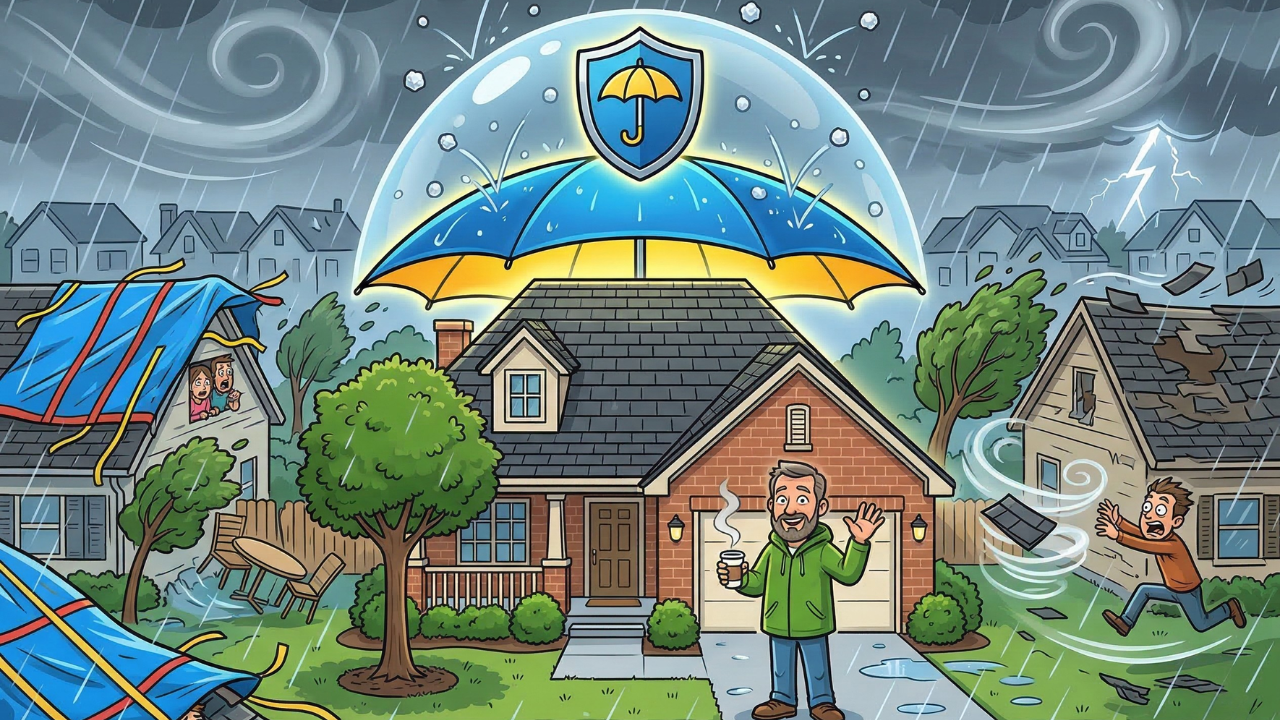
Texas homeowners face some of the most punishing weather in the country. Extreme heat. High winds. Hail that can tear through shingles in seconds. With this constant pressure on your roof, even small issues can turn into expensive problems faster than most people expect.
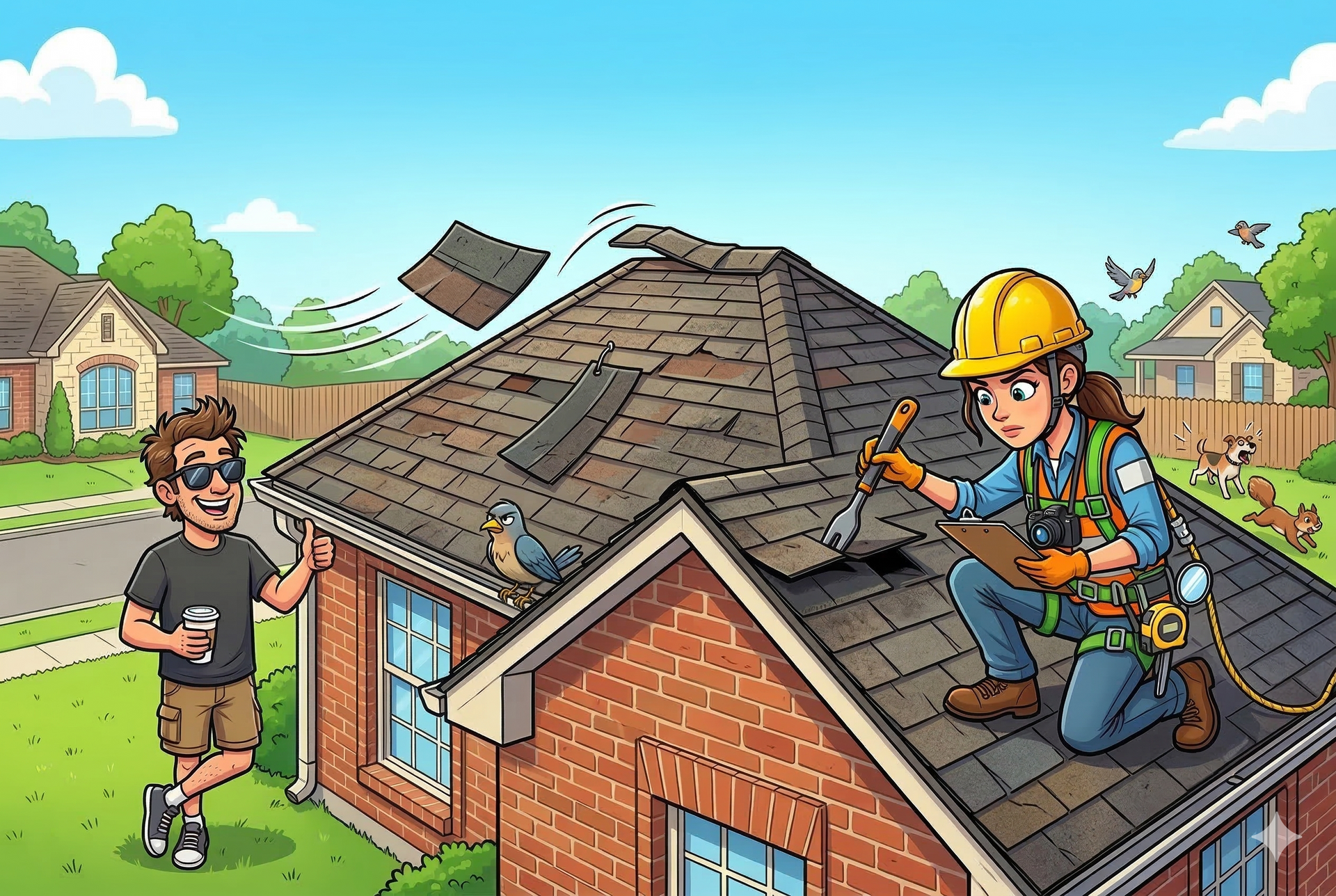
What starts as a loose shingle, minor leak, or tiny puncture often goes unnoticed until it becomes water intrusion, mold, or structural damage. At Renown Roofing & Construction, we’ve inspected thousands of roofs across the Dallas–Fort Worth Metroplex. Again and again, we see homeowners pay thousands more because small problems were ignored for too long.
This guide explains why delaying repairs is risky, what subtle issues to watch for, and how quick action protects your home and wallet.
Why Minor Roofing Issues Become Major Problems in Texas
Small problems don’t stay small in a climate like DFW. The combination of heat, storms, and humidity speeds up roof deterioration.
Texas temperatures often exceed 100°F in the summer. This causes shingles to expand, weaken, and lose their protective granules. A small crack or lifted shingle becomes vulnerable to wind and rain. Storms create rapid temperature changes, stressing materials even more. Over time, these stresses turn minor defects into major leaks that affect your attic, insulation, and even your home’s structural wood.
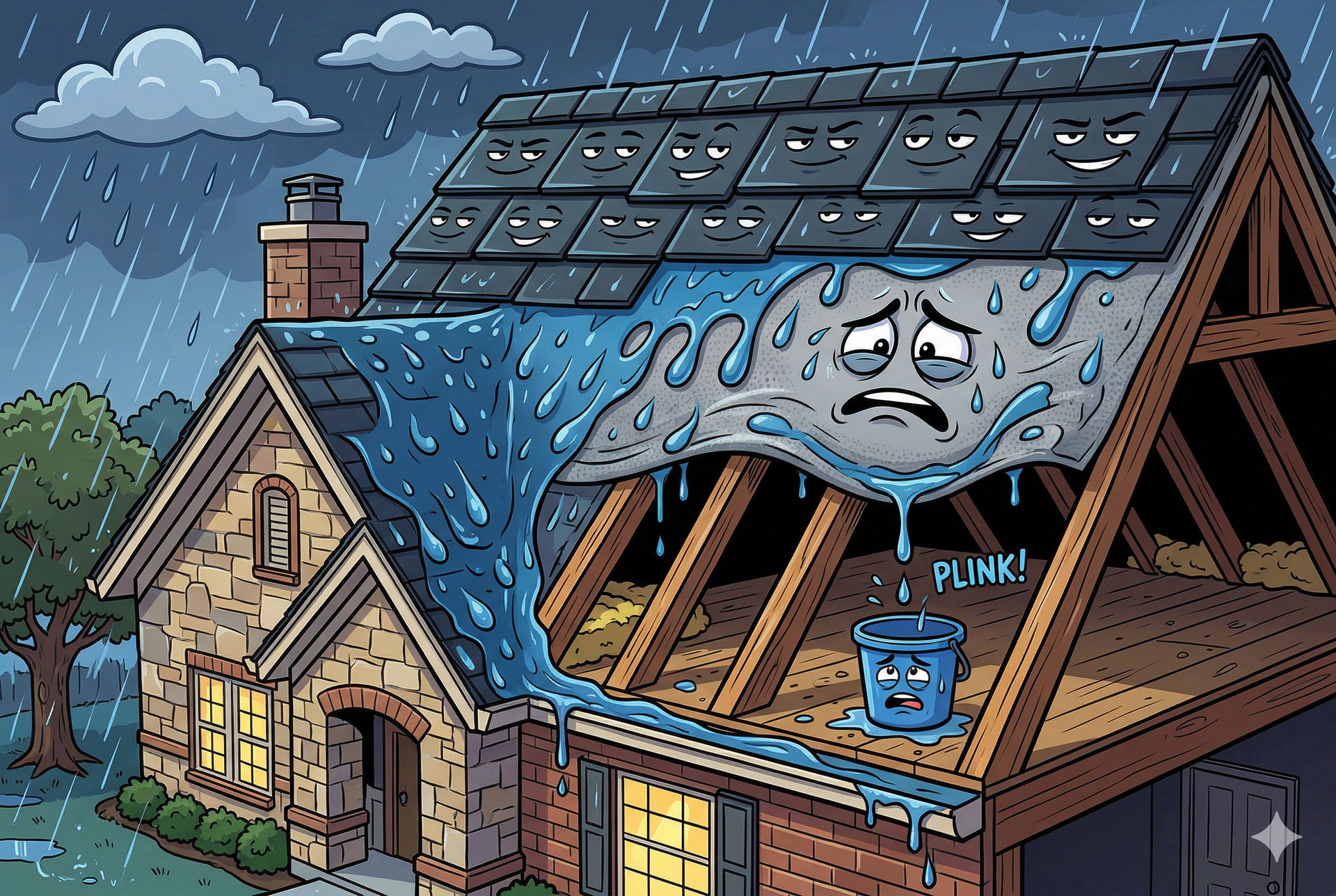
Moisture plays a major role. When water sneaks in through a tiny opening, it can soak wood decking and insulation. This leads to mold or rot that spreads quietly and causes expensive repairs. The earlier these issues are caught, the easier and cheaper they are to fix.
Small Problems That Lead to Big Repair Bills
Homeowners often miss early signs of damage. These problems may look minor, but each can escalate quickly in Texas weather.
Loose or Missing Shingles
Even a single missing shingle exposes your roof deck to rain. Texas storms can push water underneath the surrounding shingles. The result is hidden water intrusion that spreads across the attic. Repairs might cost a few hundred dollars at first, but if water reaches insulation or sheetrock, the cost rises dramatically.
Cracked or Warped Shingles
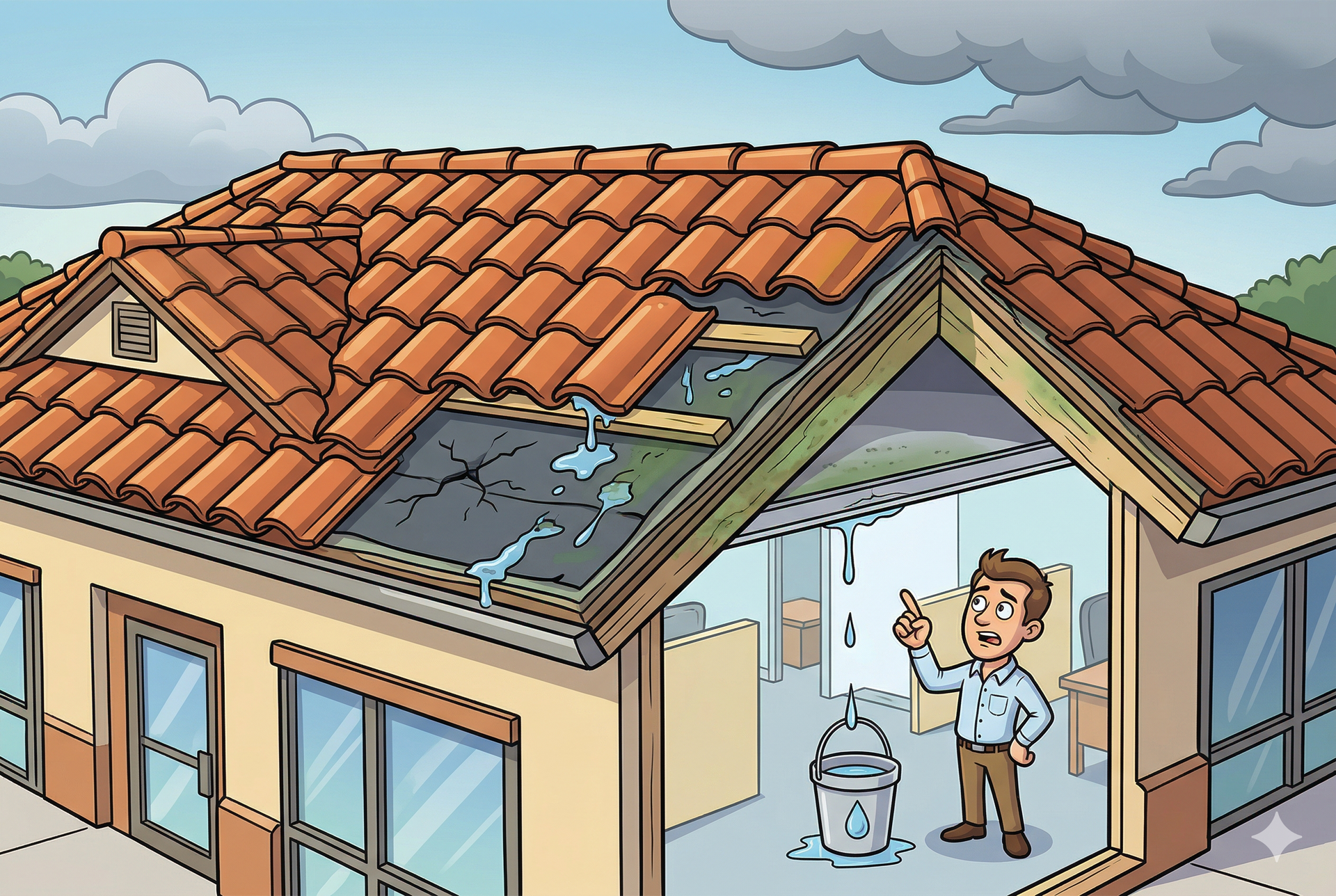
Heat stress makes shingles brittle. When cracks appear, water can seep into the underlying layers. Over time, moisture softens the decking, causes mold, and weakens structural support. Repairing a few shingles is simple, but replacing rotted wood costs far more.
Damaged or Loose Flashing
Flashing protects vulnerable roof joints, including chimneys, skylights, and wall intersections. When flashing pulls away or becomes loose, water enters quickly. Because this damage is hidden, homeowners often discover it only after interior stains appear.
Small Punctures From Hail or Debris
A tiny puncture isn’t always visible from the ground. Hail, tree branches, or flying debris create openings that let water travel between roofing layers. These leaks often remain unnoticed until significant damage occurs.
Clogged Gutters Leading to Overflow
When gutters fill with leaves or debris, water flows back toward the roof. This causes moisture to seep under shingles. Over time, this creates leaks that are difficult to trace. Cleaning gutters is inexpensive, but repairing water-damaged fascia and decking can be costly.
Minor Ventilation Issues Causing Moisture Buildup
Poor airflow traps humidity in the attic. Moisture softens wood, encourages mold, and decreases insulation efficiency. Even if the roof shingles are fine, the attic environment alone can cause structural issues.
How Small Issues Turn Into Costly Repairs
Homeowners are often surprised by the domino effect of roof damage. A small issue can trigger multiple problems across the home.
Water Intrusion That Spreads Undetected
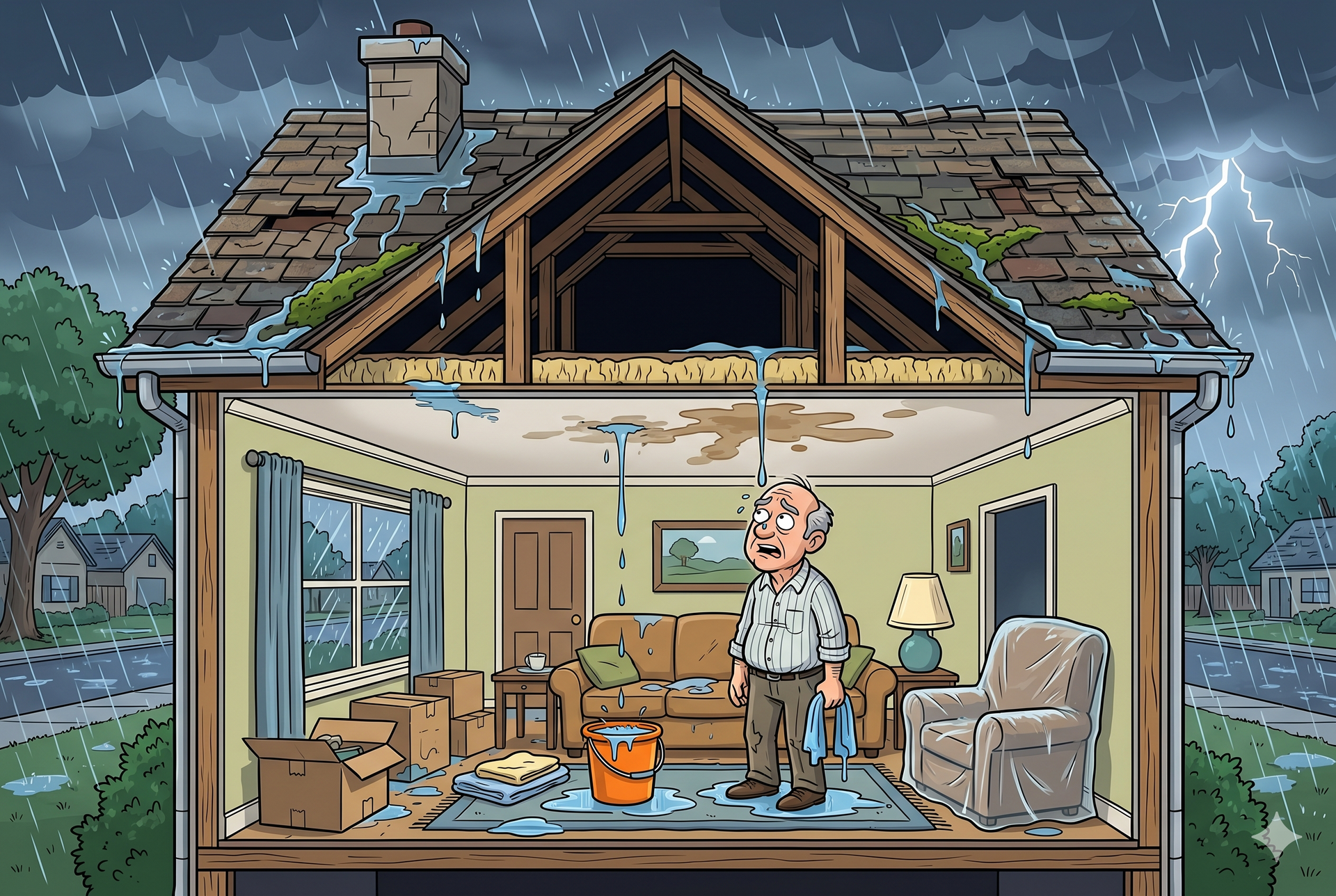
Water follows the path of least resistance. A drip near a chimney can eventually show up as a stain across the house. Along the way, water saturates insulation and damages wood framing.
Mold and Mildew Growth
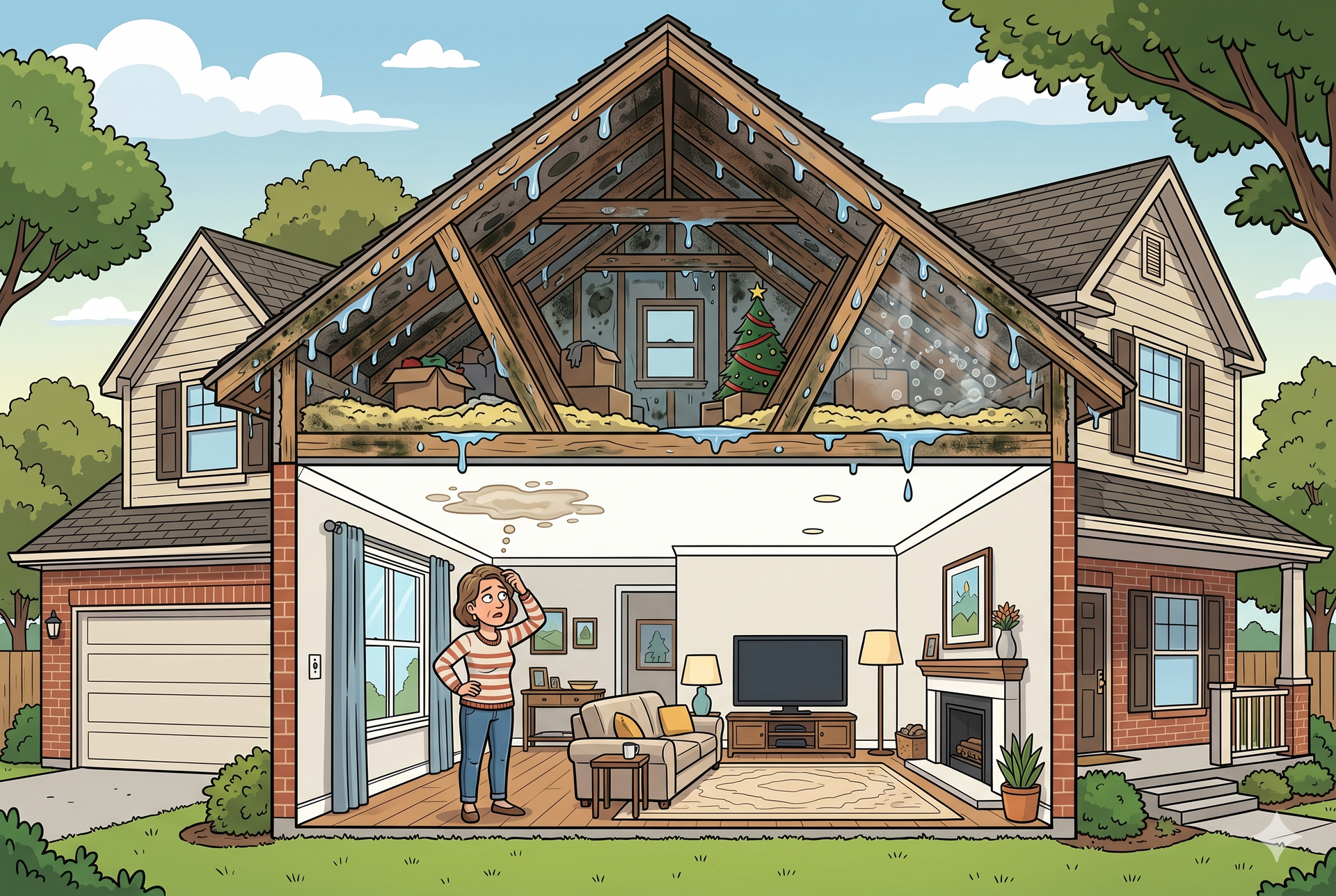
Texas humidity accelerates mold development after even small leaks. Mold spreads through the attic, walls, and ductwork. Remediation can cost thousands and disrupt daily life.
Rotting Roof Decking and Structural Wood
Prolonged exposure to moisture weakens the roof deck. This makes future repairs more complex because contractors must replace damaged sections before installing new shingles. If moisture spreads to rafters, structural repairs become even more expensive.
Higher Energy Bills
Water-damaged insulation loses effectiveness. This forces your HVAC system to work harder, increasing monthly energy costs. Replacing insulation in affected areas adds to repair expenses.
Premature Roof Replacement
When minor issues go unchecked, they shorten your roof’s life. Instead of lasting 20–30 years, the roof might fail in 10–15 years. A full replacement costs far more than early repairs.
Common Signs You’re Ignoring a Problem
Many small issues reveal themselves subtly. Watch for these signs before damage spreads.
Stains on Ceilings or Walls
Even a faint stain indicates water intrusion. The leak may be small, but interior staining shows that water has already traveled through multiple layers of the home.
Musty Smells in the Attic
A damp or musty odor suggests moisture buildup. This often points to active leaks, poor ventilation, or early mold growth.
Granules in Gutters or Around the Home
Loss of granules weakens shingles. When granules appear in gutters or on the ground, it means the roof is losing protection.
Sudden Spikes in Energy Bills
Rising electric bills often mean attic insulation has been compromised by moisture. When insulation loses performance, indoor temperatures become harder to control.
Visible Wear Around Roof Edges
Curling, cracking, or blistering shingles indicate heat damage or moisture issues. Even slight deterioration signals that the shingles are approaching failure.
Renown Roofing & Construction uses infrared thermal imaging to detect issues that can’t be seen with the naked eye. This helps homeowners identify hidden leaks, moisture pockets, and insulation problems before they cause serious damage.
Why DFW Homeowners Trust Renown Roofing
Renown understands the climate, materials, and challenges unique to Texas. Our services help homeowners catch small problems early and prevent larger ones.
Infrared Inspections That Reveal Hidden Damage
Infrared technology helps locate temperature differences caused by moisture. This allows our team to find leaks and insulation failures before they spread. Early detection lowers long-term repair costs.
HAAG Certified Inspectors
Our inspectors are trained to identify damage accurately. This certification ensures that homeowners receive reliable evaluations and clear explanations of repair needs.
Durable Repairs Designed for Texas Weather
We use materials built to withstand high heat, UV exposure, and sudden storms. This helps homeowners avoid repeated issues in the future.
Full Support With Insurance Claims
Our licensed adjusters help homeowners document damage and negotiate fair claim payouts. Many homeowners recover 30 to 40 percent more through our guidance.
Long Term Warranties for Peace of Mind
We install roofing systems backed by manufacturer warranties up to 50 years. This protects your investment and ensures long term coverage.
Local Reputation Built on Trust
With an A+ BBB rating and more than 1,200 five star reviews, Renown Roofing has become a trusted name across Dallas–Fort Worth. Our customers value honesty, quality, and responsive service.
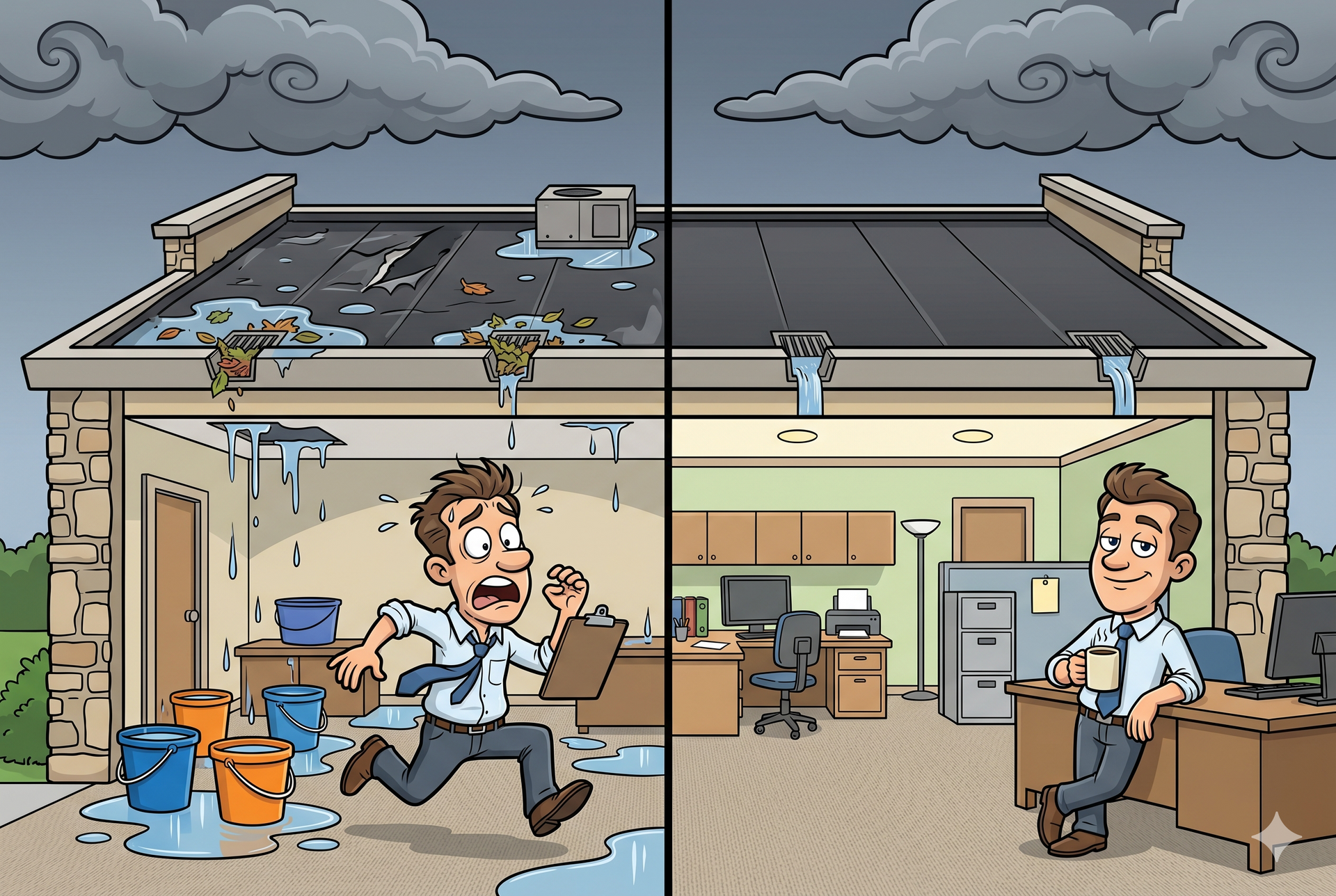
When small issues are repaired early, your roof lasts longer, your energy bills stay lower, and your home remains protected.
Ready to Stop Small Problems Before They Become Bigger?
Renown Roofing & Construction offers free roof inspections to identify minor issues before they lead to major expenses.
Call
972-782-5489 or visit
www.RenownConstruction.com to schedule your inspection today.
Frequently Asked Questions (FAQ)
1. Why do small roof issues get worse so quickly in Texas?
Texas heat, hail, and humidity stress roofing materials. A small defect expands under extreme temperatures and allows moisture to move deeper into the home.
2. Can small leaks really cause mold?
Yes. Even minor leaks introduce moisture into insulation and wood. This creates conditions for mold growth, especially in humid weather.
3. How long can I wait to fix a missing shingle?
It’s best to repair it immediately. Missing shingles expose the roof deck and can lead to hidden water damage within days or weeks.
4. Does homeowner’s insurance cover small repairs?
Coverage varies, but many small issues caused by storms are eligible. Renown Roofing helps document and submit claims to maximize payouts.
5. What’s the average cost difference between early repairs and delayed repairs?
Early repairs may cost a few hundred dollars. Delayed repairs can reach several thousand once the damage spreads to insulation, sheetrock, or structural wood.
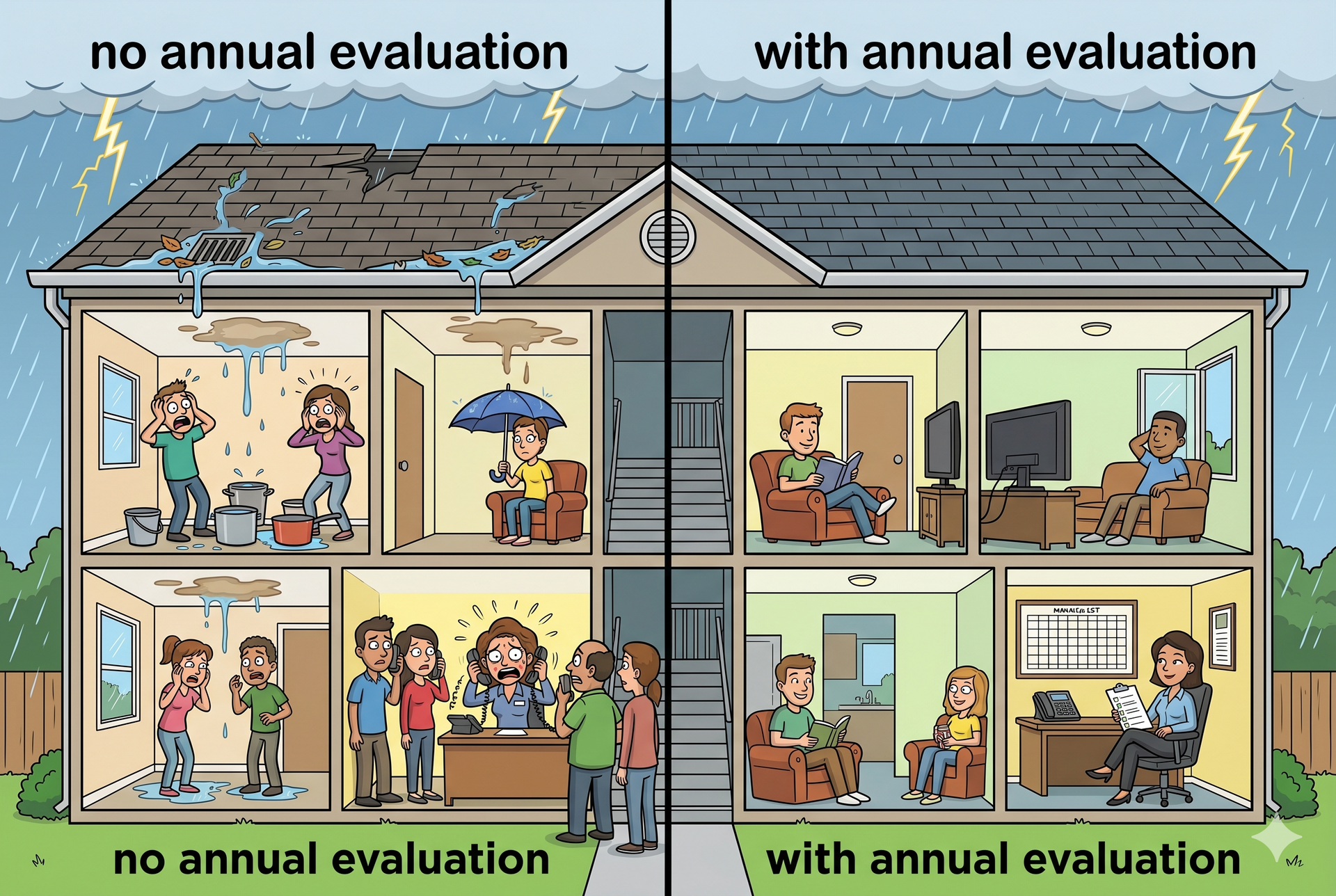
6. How often should I inspect my roof?
Once a year and after major storms. Regular inspections catch issues before they become expensive problems.
7. Can small roofing issues shorten the life of my roof?
Yes. Persistent moisture and heat stress weaken materials and can reduce roof lifespan by several years.
8. Are cracked shingles a serious problem?
Yes. Cracked shingles allow water to penetrate the layers below. This leads to leaks and structural damage if not fixed promptly.
9. Do you offer inspections for commercial roofs?
Yes. Renown Roofing provides commercial inspections using infrared scanning and detailed reporting for building owners.
10. What should I do if I suspect a small issue but don’t see obvious damage?
Schedule an inspection. Many problems are hidden and require trained specialists to detect them accurately.