How to Choose the Best Roofing Contractor
December 16, 2024
By: Renown Roofing and Construction
Important to select the best roofing contractor to ensure that your home is well-protected and that the job is done correctly. Your roof is a critical part of your home’s structure, so hiring a qualified and trustworthy professional is crucial. This guide will help you understand how to choose a roofing contractor that can meet your needs and deliver quality work.
How to Choose a Roofing Contractor
1. Start with Research and Recommendations
The first step in figuring out how to choose a roofing contractor is conducting thorough research. Ask your neighbors, friends, and family for recommendations. Take time to explore online reviews and ratings to determine a contractor’s reputation and reliability. Look for patterns in the feedback—consistently positive comments are a good indicator of a contractor’s reliability. This approach helps you build a shortlist of potential contractors before you dig deeper into the specifics.
2. Verify Licensing and Insurance
Knowing how to choose a good roofing contractor means ensuring that the contractor is fully licensed and insured. Licensing shows that the contractor meets local and state requirements, and insurance offers you protection from liability in case there is an accident or if anything is damaged during the project. Ask the contractor to provide proof of both licensing and insurance. It’s also wise to check with local authorities to confirm that the contractor’s credentials are up to date.
3. Assess Experience and Specialization
Experience matters when it comes to roofing. A contractor with years of experience and a good reputation is more likely to provide high-quality work and handle unexpected challenges effectively. When considering how to choose a roofer, inquire about their experience with the specific type of roofing material you need. Not all contractors specialize in every type of roofing, so it’s crucial to hire someone with the right expertise for your project. Experienced contractors are also more likely to offer helpful advice and insights that can improve the outcome of your project.
4. Get Detailed Estimates and Compare
Understanding how to hire a roofing contractor involves comparing detailed estimates from multiple contractors. A reliable contractor should provide a comprehensive written estimate that includes all costs, from materials and labor to any additional charges. Avoid contractors who provide vague or unusually low estimates, as these can be red flags for hidden costs or subpar work. Ensure that the estimates are comparable by checking that they include the same scope of work, materials, and warranties.
5. Ask About Warranties
When deciding how to choose a roofing company, don’t overlook the importance of warranties. Quality contractors offer warranties on both the materials they use and their workmanship. This dual protection ensures that you’re covered in case of defects or installation issues. Be sure to get the warranty details in writing and understand what is covered and for how long. A reliable warranty can save you considerable costs down the line if problems arise.
6. Evaluate Communication and Professionalism
Effective communication is essential in any successful project. From your initial consultation to the completion of the job, the contractor should be responsive and professional. Pay attention to how they handle your questions and concerns. A contractor who communicates clearly and promptly is likely to manage your project efficiently. Professionalism also extends to punctuality, respect for your property, and a commitment to delivering what was promised.
7. Prioritize Local Contractors
Lastly, consider hiring a local contractor when deciding how to choose a roofing company. Local contractors have a better understanding of and more experience with local building codes, climate, and common roofing issues in your area. They are also more likely to be available for future maintenance or repairs. A contractor with a strong local presence is also more likely to value their reputation within the community, which can work to your advantage.
Trust Renown Roofing for Quality, Expertise, and Peace of Mind When it comes to protecting your home, it’s important to know what to look for in a roofing contractor. At Renown Roofing, we understand the importance of quality, trust, and expertise. With over a decade of experience serving the greater Dallas area, including Lewisville, Denton, Irving, Plano, TX, and more, our highly trained and certified team is dedicated to delivering exceptional results tailored to your needs. From roof inspections to storm damage restoration, we offer comprehensive services backed by industry-leading credentials and a lifetime warranty. Don’t settle for less—trust Renown Roofing to provide peace of mind and top-tier craftsmanship for your next roofing project. Contact us today for a free consultation and see why we’re the #1 choice in Dallas.
More Posts Like This
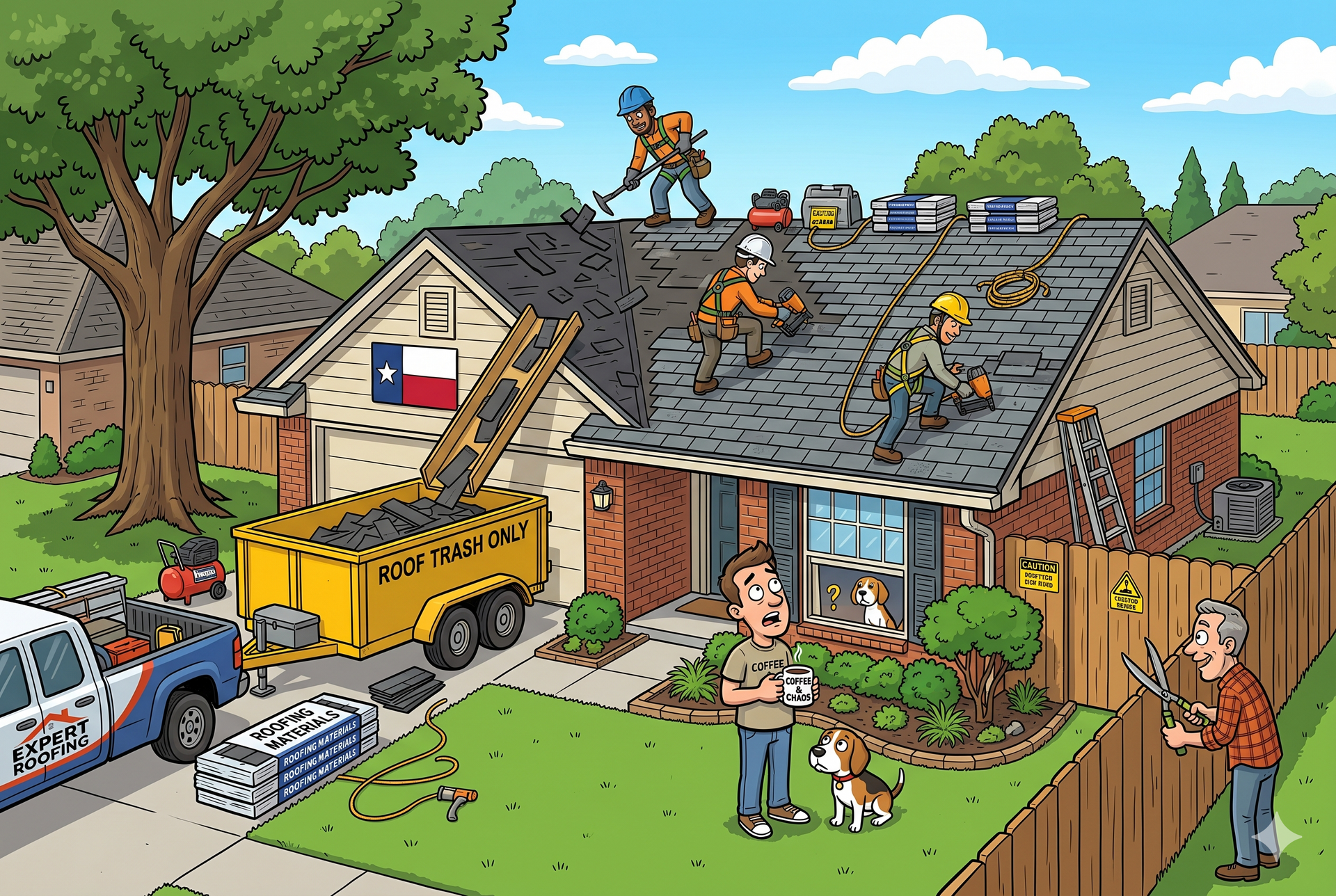
Let’s be honest. No homeowner wakes up excited and says, “You know what would make today fun? Replacing the roof.” Nobody puts “roof replacement” on a vision board. But when your roof has reached the end of its life, or Texas weather has turned it into a patchwork science project, a full roof replacement becomes less of a choice and more of a very smart decision. At Renown Roofing & Construction, we’ve helped thousands of homeowners across Flower Mound and DFW replace their roofs. And one thing we’ve learned is this: Most people aren’t nervous about the roof itself. They’re nervous because they don’t know what’s about to happen. Will it be loud? Will your yard survive? Will your dog think the apocalypse has arrived? Fair questions. So let’s walk through exactly what to expect during a full roof replacement.
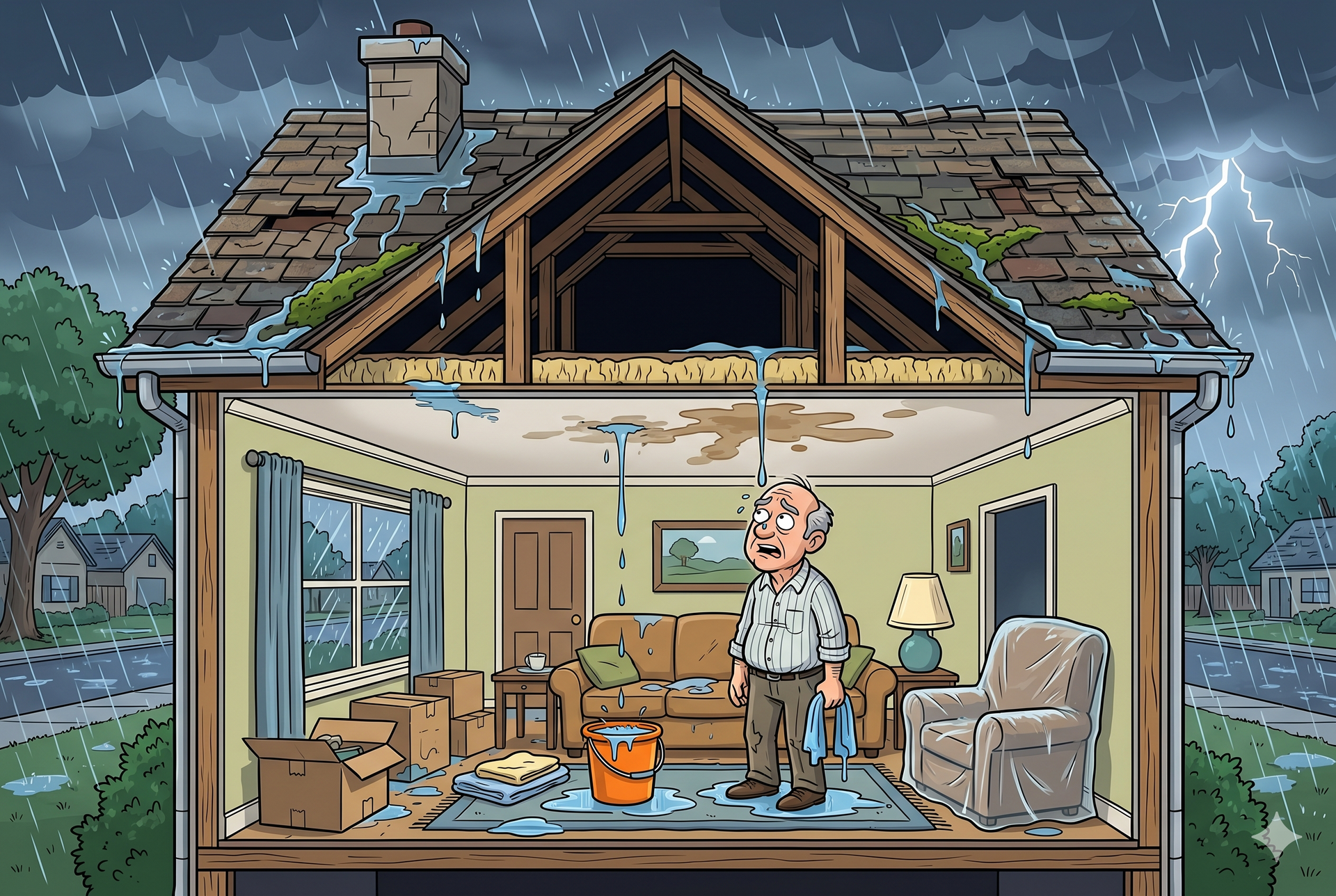
Older homes have character. They have charm. History. Personality. They also have opinions. Doors creak. Floors squeak. Pipes make noises no one fully understands. And sometimes… the roof decides it’s time to contribute. At Renown Roofing & Construction, we inspect older homes across Flower Mound and the DFW area all the time. And one thing we’ve learned is this: Roof leaks in older homes rarely happen “all of a sudden.” They usually start small, stay hidden, and quietly wait for the worst possible moment to introduce themselves. Usually during a storm. Or a holiday. Or when guests are over. Let’s break down the most common reasons older homes develop roof leaks, how to spot them early, and what you can do before a small drip becomes a full-blown ceiling event.
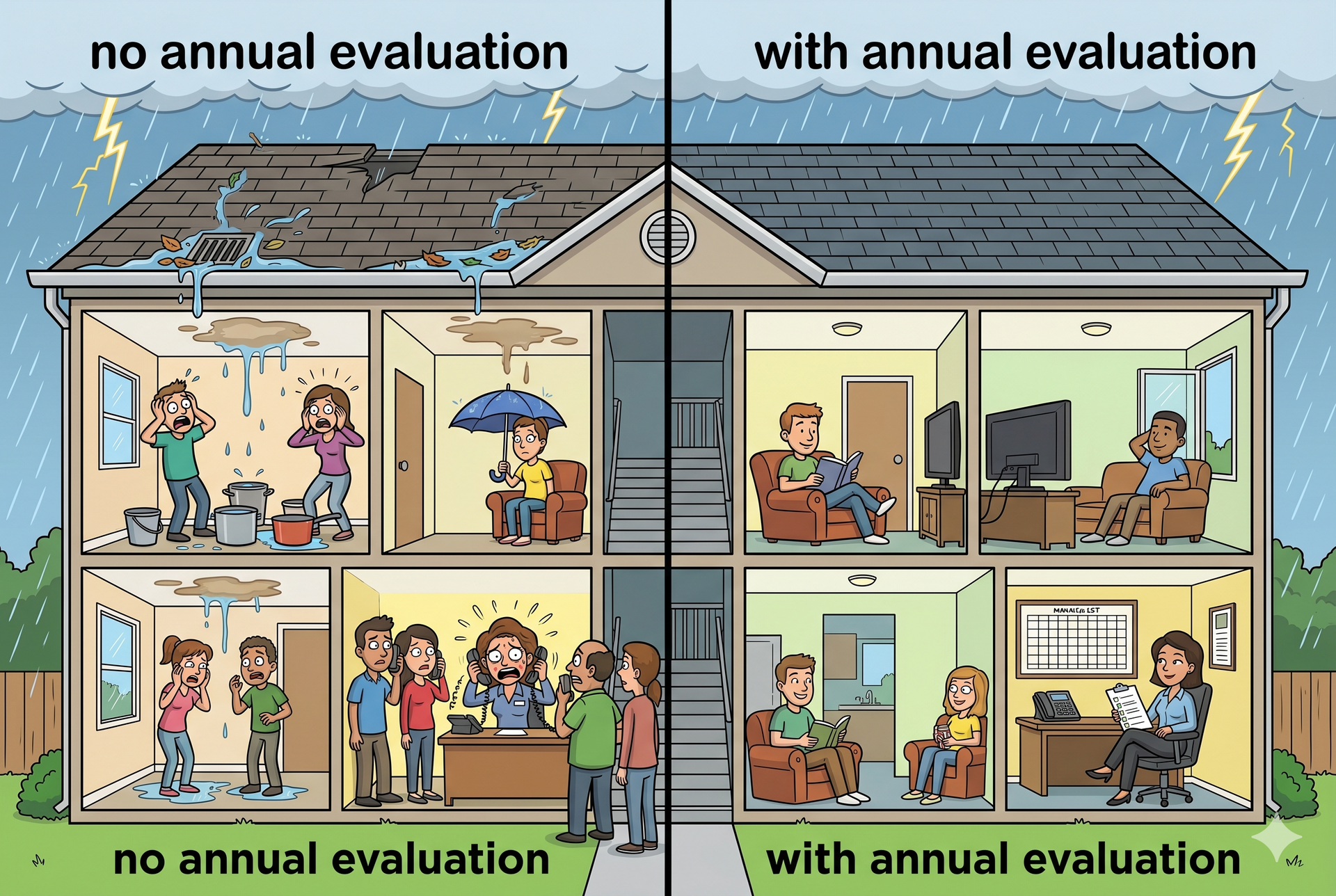
Managing a multi family property is already a full time job. You have tenants, maintenance requests, leases, budgets, and at least one email that starts with “This is urgent.” Now add the roof. The problem is, the roof does not send emails. It does not file tickets. It does not warn you before something goes wrong. It just waits… and then shows up at the worst possible time. At Renown Roofing & Construction, we work with property owners and managers across Flower Mound and DFW. The difference between properties that get annual roof evaluations and those that don’t is very clear. One group plans ahead. The other reacts fast. Let’s break down why annual roof evaluations are not optional for multi family properties if you care about cost control, tenant satisfaction, and long term asset value.

Let’s talk about something most homeowners never check. Your attic. Not the holiday decorations. Not the old boxes. The actual air up there. Because while you’re living comfortably below, your attic might be quietly turning into a science experiment. And not the good kind. At Renown Roofing & Construction, we’ve inspected thousands of homes across Flower Mound and DFW. And one of the most common hidden issues we see is improper attic moisture. You don’t notice it at first. Then one day your ceiling has a stain. Or your house smells… off. Or your energy bill starts acting suspicious. That’s when the attic decides to introduce itself.
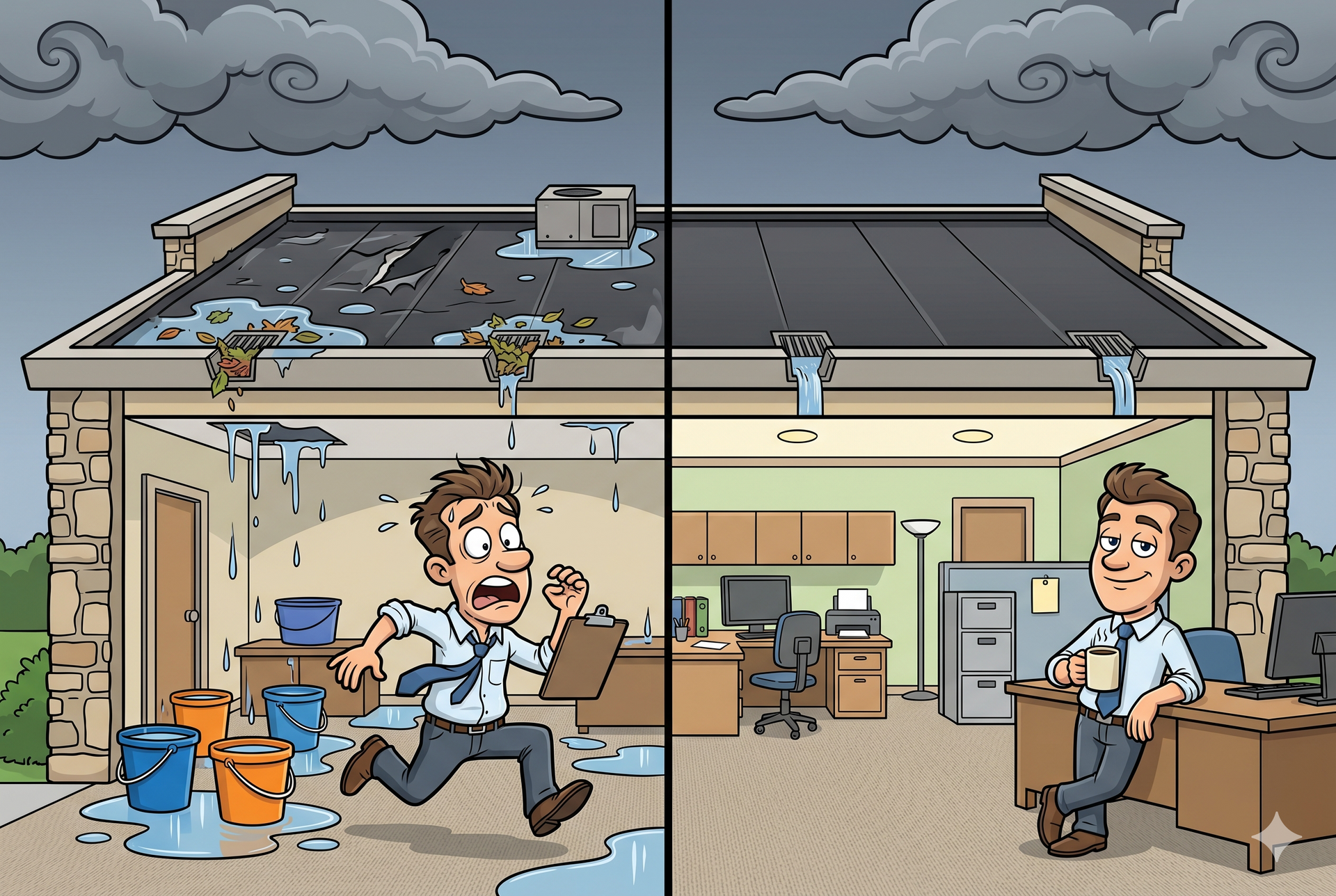
Let’s start with a very common business strategy. Ignore the roof. Hope nothing happens. Act surprised when something does. It’s not intentional. Commercial roofs are out of sight, out of mind. No one is walking around saying, “Let’s check on the membrane today.” You have tenants, operations, budgets, and about twelve other things competing for attention. Until the roof decides to join the meeting. At Renown Roofing & Construction, we’ve seen this play out across Flower Mound and DFW. The difference between buildings with a maintenance plan and those without is not small. One group plans expenses. The other reacts to emergencies. Let’s break down how a commercial roof maintenance plan actually saves money and protects your business.
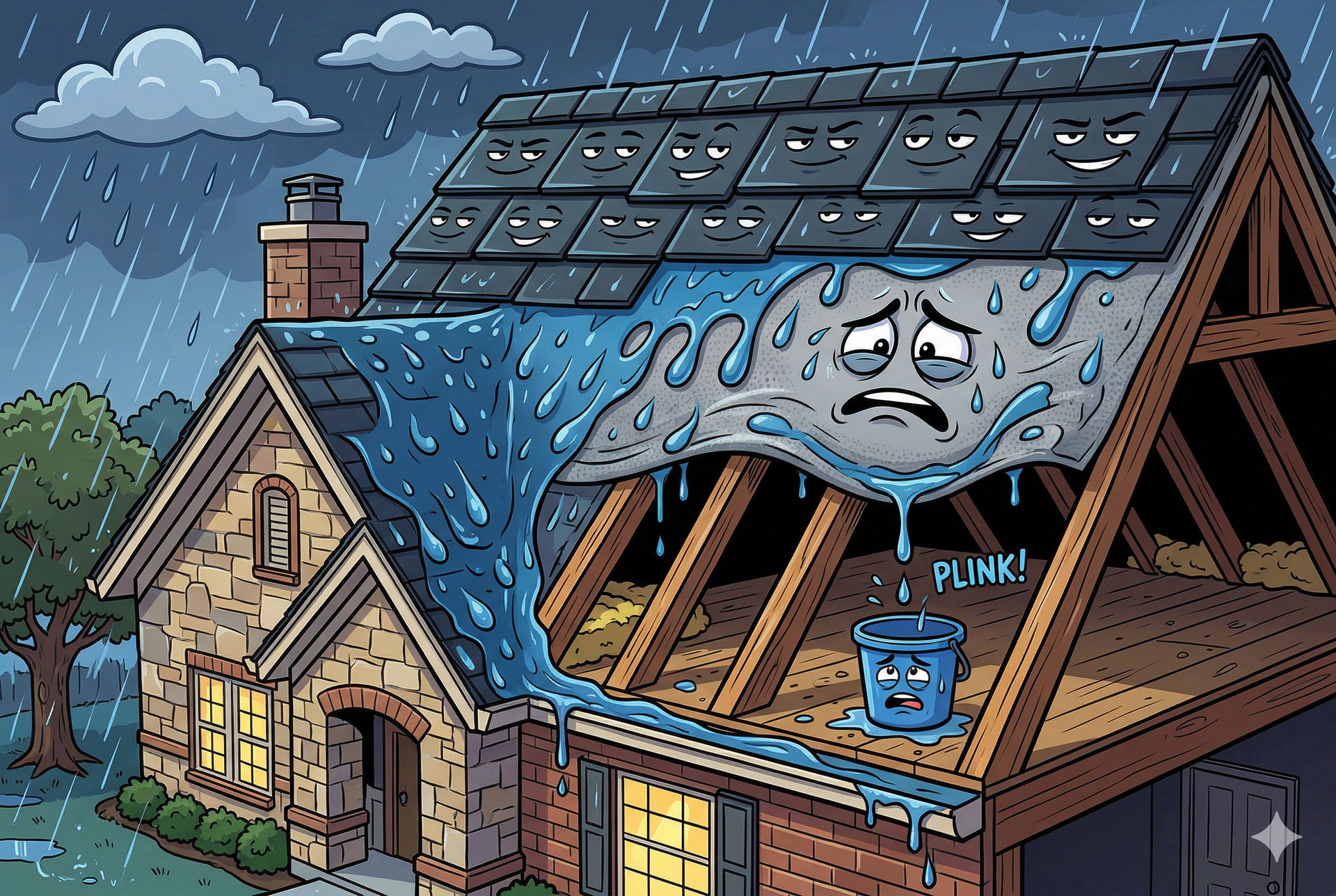
Let’s talk about the most important part of your roof… that nobody ever talks about. Not the shingles. Not the color. Not the “architectural look” your neighbor just got and now won’t stop mentioning. We’re talking about underlayment. Yes. The layer you never see. The one hiding under everything. The quiet overachiever of your roofing system. If your shingles are the outfit, underlayment is the part that actually keeps you from getting soaked. At Renown Roofing & Construction, we’ve inspected thousands of roofs across Flower Mound and DFW. And here’s the truth: When roofs fail, it’s usually not the shingles. It’s what’s underneath them.
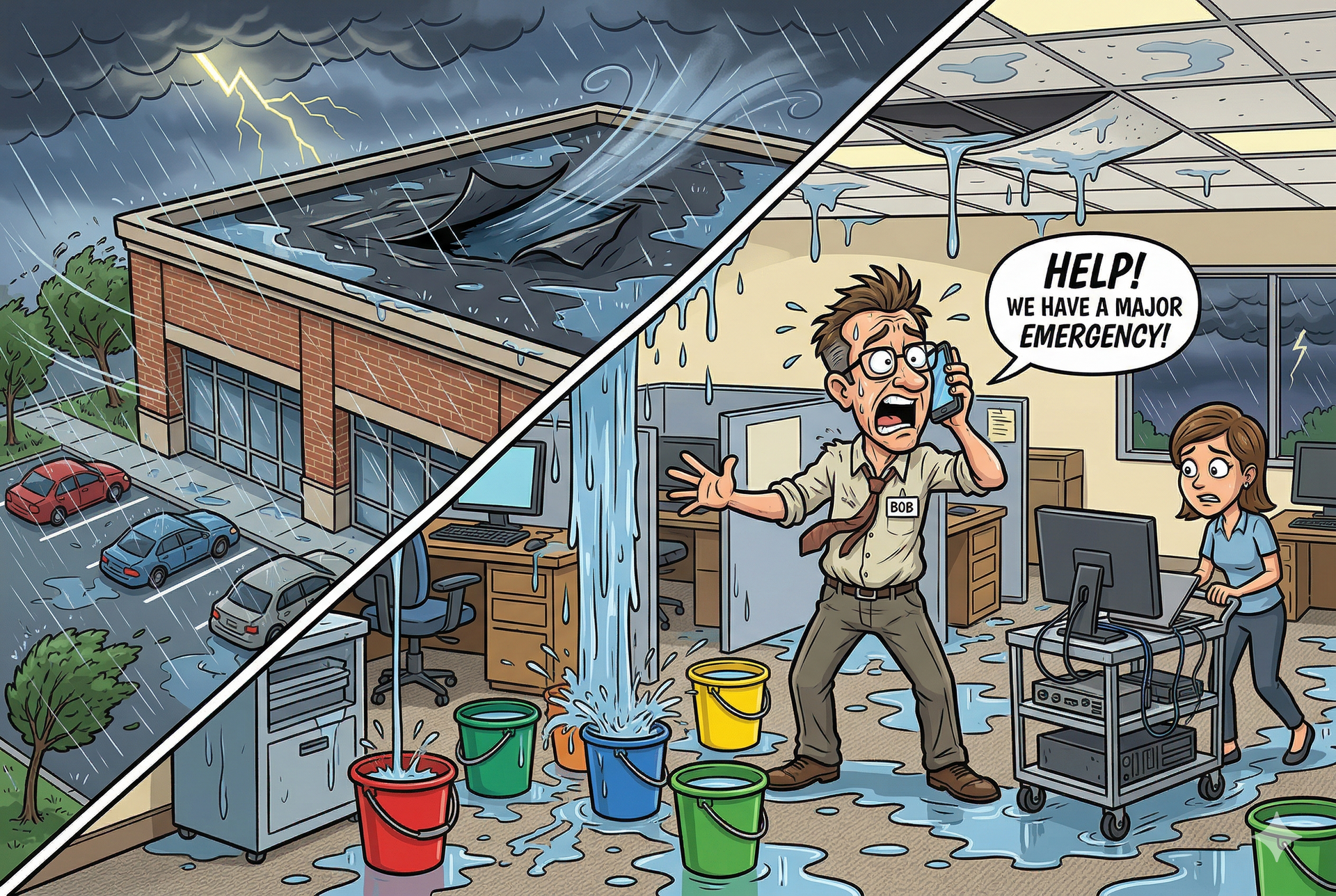
There are two types of roofing issues in commercial buildings. The first type is annoying. The second type shuts down operations. Emergency roof problems fall into the second category. The challenge is that most property owners and facility managers don’t realize it’s an emergency until tenants are calling, water is dripping into buckets, and someone is asking if this is “covered by insurance.” At Renown Roofing & Construction, we respond to emergency calls across Flower Mound and the DFW area regularly. And almost every time, the warning signs were there before things escalated. Let’s go through how to recognize a real roof emergency before it turns into a business disruption.
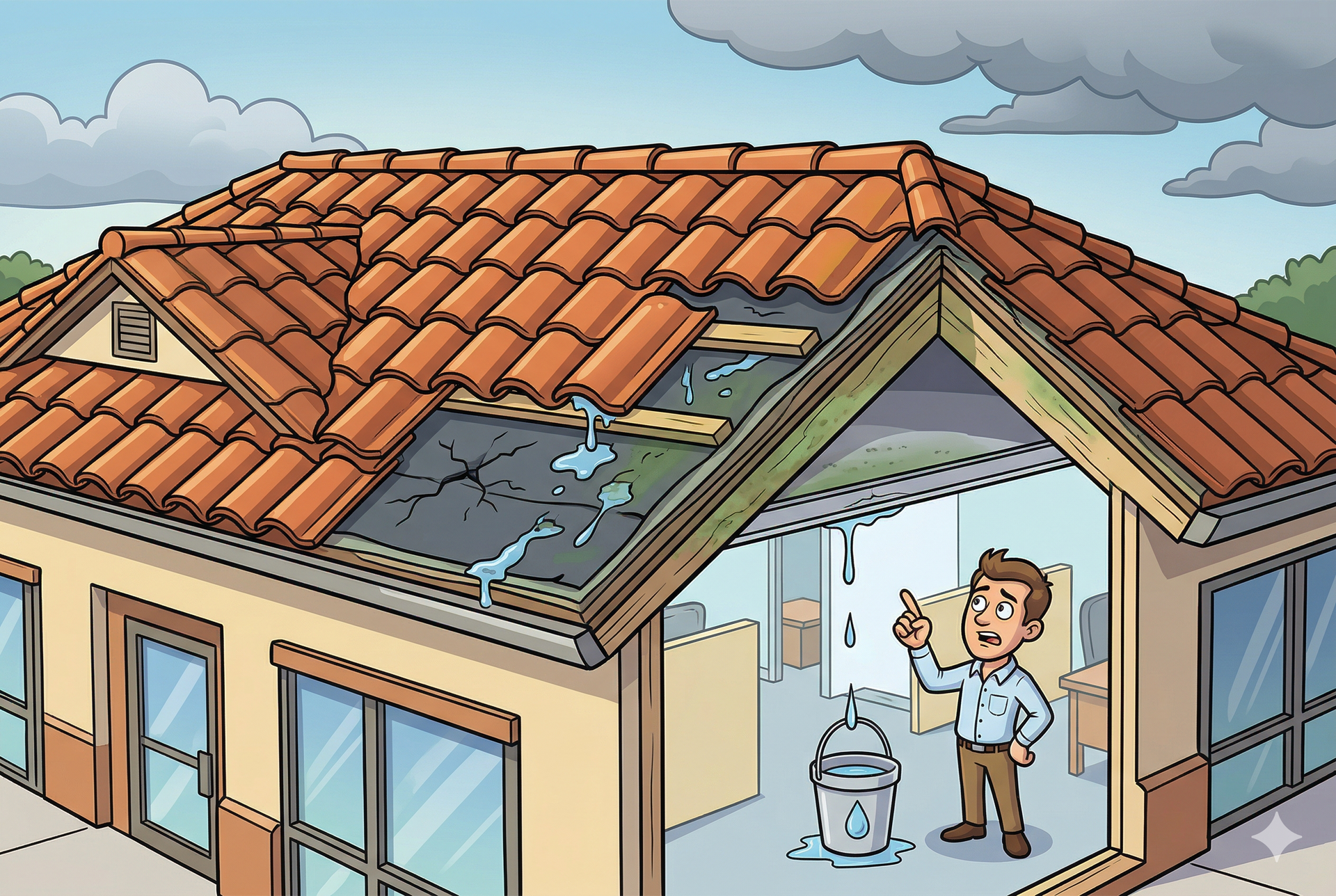
Tile roofs look impressive. They give that “this building is doing well financially” vibe. Clean lines. Strong presence. The kind of roof that makes people assume everything underneath is also well managed. But in Texas? Tile roofs can go from “impressive” to “expensive problem” faster than you’d expect. At Renown Roofing & Construction, we’ve inspected commercial properties across Flower Mound and DFW where tile roofs failed years earlier than they should have. Not because tile is bad. But because Texas weather does not play fair. Let’s break down why tile roofs fail early and what commercial property owners need to know before it becomes a budget issue.
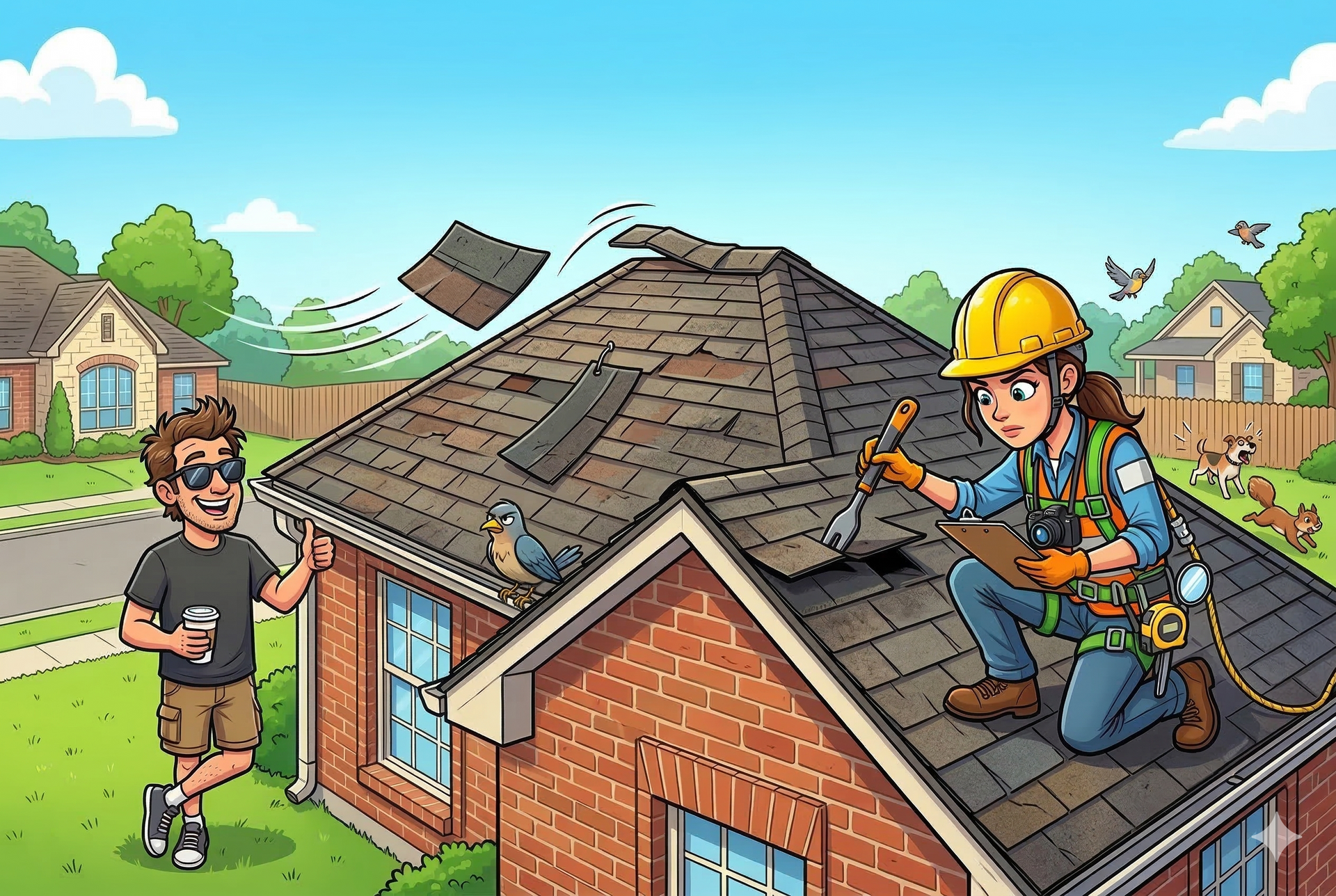
Let’s be honest. When someone says “commercial roof inspection,” most property owners are thinking one thing: “How fast can we get this done so I can get back to actual business?” Fair. But here’s the problem. A rushed roof inspection on a commercial building is like a rushed financial audit. It might feel efficient, but it can miss the exact thing that costs you money later. At Renown Roofing & Construction, we’ve inspected everything from small office buildings to large commercial properties across Flower Mound and the DFW area. The difference between a quick look and a real inspection is not small. It is the difference between catching a problem early and explaining a leak to your tenants.
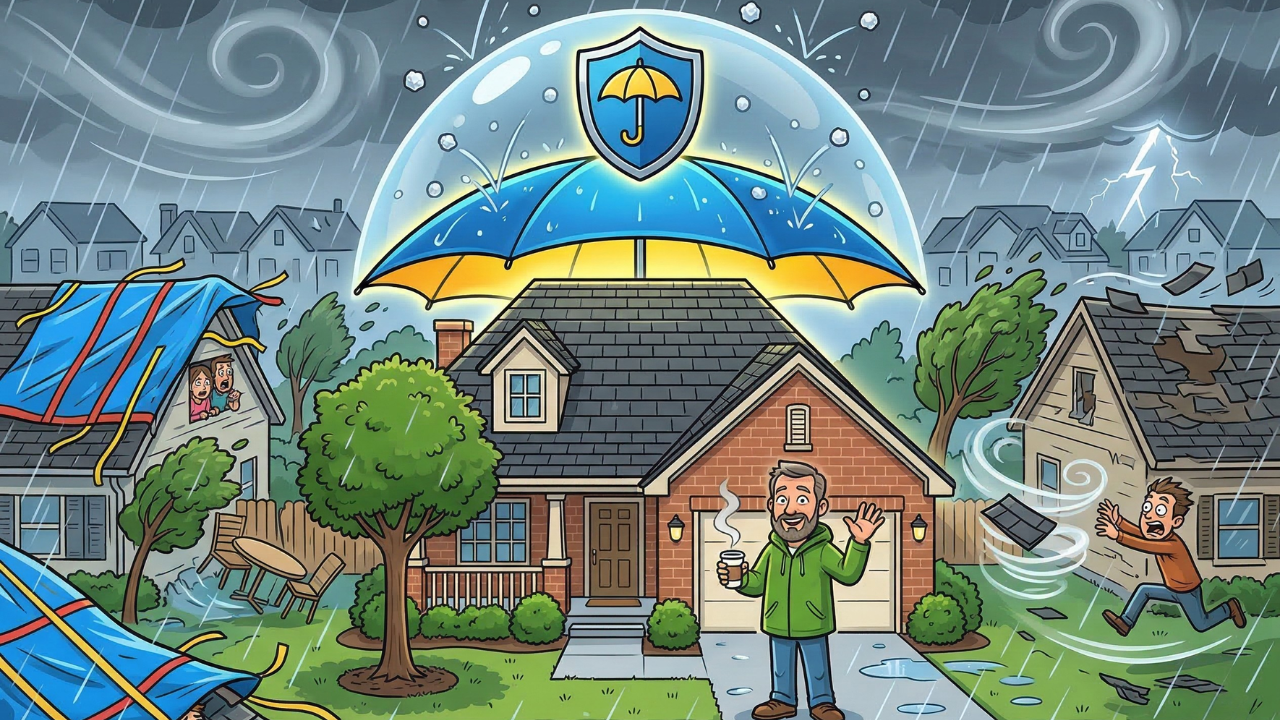
When commercial property owners hear the phrase “20 Year No Dollar Limit Warranty,” the first reaction is usually excitement. The second reaction is suspicion. Because if you’ve owned commercial property for more than five minutes, you’ve learned that warranties sometimes sound amazing until you read the part that says, “coverage may vary depending on several complicated factors that we will explain later.” Translation: maybe. But a true 20 Year No Dollar Limit (NDL) warranty is very different. When installed correctly, it is one of the strongest protections a commercial building owner can have. And yes, it actually does what it says. Let’s break down what this warranty really covers and why it matters for commercial buildings across Flower Mound and the Dallas–Fort Worth area.